
Forums
1. Frontiers and Applications of Industrial Intelligence Technology
Abstract
Against the backdrop of rapid advances in artificial intelligence, big data, cloud/edge computing, industrial Internet, and digital twins, the industrial sector is undergoing a major transition from automation to intelligence and from experience-driven to data-driven operation. Industrial intelligence can significantly improve production efficiency, product quality stability, and energy utilization, while also enhancing equipment reliability, raising safety levels, and supporting the manufacturing sector’s green and low carbon transformation.
This forum focuses on the frontier developments, theories, and application challenges of industrial intelligence. Distinguished scholars from leading domestic universities will present the latest research in this field and jointly explore how intelligent control and decision making methods can enhance industrial systems’ autonomy, robustness, and safety, providing theoretical support and engineering pathways for the next generation of industrial intelligent transformation.
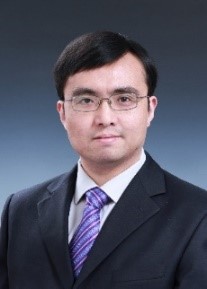 |
Chair: Prof. Hua Geng Tsinghua University, China
|
Biography
Hua Geng
received the B.S. degree in electrical engineering from Huazhong University of Science and Technology, Wuhan, China, in 2003 and the Ph.D. degree in control theory and application from Tsinghua University, Beijing, China, in 2008. From 2008 to 2010, he was a Postdoctoral Research Fellow with the Department of Electrical and Computer Engineering, Ryerson University, Toronto, ON, Canada. He joined Automation Department of Tsinghua University in June 2010 and is currently a full professor.
His current research interests include advanced control on power electronics and renewable energy conversion systems, AI for energy systems. He has authored more than 300 technical publications and holds more than 30 issued Chinese/US patents. He was the recipient of IEC 1906 Award, IEEE PELS Sustainable Energy Systems Technical Achievement Award. He is the Editor-in-Chief of IEEE Trans. on Sustainable Energy. He served as general chair, track chairs and session chairs of several IEEE conferences. He is an IEEE Fellow and an IET Fellow, convener of the modeling working group in IEC SC 8A.
2. Multimodal Intelligent Cooperative Perception and Decision-making
Abstract
As an important direction in the development plan of China's new generation of artificial intelligence, multimodal intelligent cooperative perception and decision-making is changing the mode of industrial production and social development. Multimodal modeling and decision-making, large models, embodied intelligence, and other technologies will provide new solutions for complex intelligent systems, particularly for industrial production process identification, operating performance assessment, optimization decision-making, monitoring, and fault diagnosis, through deep multimodal information fusion and efficient, dynamic interaction and collaboration with the human-machine environment, thereby enhancing the system's autonomous perception and decision-making capabilities. This forum will gather renowned experts and scholars in multimodal modeling and decision-making, large models, and embodied intelligence. It will focus on the latest theoretical research and technological practices in this field and promote the development of intelligent, green, and high-quality new productivity.
 |
Chair: Prof. Dakuo He Northeastern University, China
|
Biography
Dakuo He is a professor at Northeastern University and the head of the Innovation Team at Liaoning University. He is currently the Vice Dean of the School of Information Science and Engineering of Northeastern University, a member of the Process Control Special Committee of the Chinese Society of Automation, a member of the Automation Special Committee of the Chinese Society of Non-ferrous Metals, and Deputy Director of the Liaoning Provincial Key Laboratory Cluster of Robotics. He is engaged in research on industrial artificial intelligence and its related disciplinary theories and practical techniques. As the project leader, he has undertaken 5 projects for the National Natural Science Foundation of China, 3 projects for the National Key Research and Development Program, and many cooperative projects of enterprises; as the first completer, he won 1 first prize in Science and Technology Progress of Chinese Association of Automation, and as a key member, he won 1 first, second and third prizes each of Science and Technology Award of China Nonferrous Metals Industry, and 1 first prize of Science and Technology of China Gold Association. He has published more than 100 high-level academic papers, with more than 100 indexed by SCI and EI. He has also participated in the consulting projects of the Chinese Academy of Engineering, and written research reports, including "Research on the development strategy of intelligent optimization manufacturing in the process industries" and "Research on the feasibility and development strategy of genetic mineral processing engineering".
3. Collaborative Optimization and Computing for Intelligent Systems
Abstract
Facing increasingly complex application scenarios, enhancing the performance of intelligent systems requires breakthroughs in collaborative optimization and advanced computing. This forum focuses on cooperative control of multi-agent systems, distributed optimization algorithms, and frontier theories in intelligent computing. It highlights how model-driven and data-driven approaches can improve the overall performance, adaptability, and intelligence of such systems. The forum aims to share the latest research progress in collaboration and computing for intelligent systems and to promote innovative applications in robotics, intelligent manufacturing, and related fields.
 |
Chair: Prof. Long Jin Lanzhou University, China
|
Biography
Long Jin is a Professor and Doctoral Supervisor at Lanzhou University, awarded the National-Level Young Talents Program. In 2023, he was a Visiting Professor in the Department of Computer Science at City University of Hong Kong. He has served as PI for four projects from the National Natural Science Foundation of China, and several provincial/ministerial-level projects, including key/outstanding youth projects from the Natural Science Foundation of Gansu Province. He has been consecutively included in Elsevier's list of "Highly Cited Chinese Researchers" and the global Top 0.05% Scholars list for multiple years. His honors include the Excellent Doctoral Dissertation Award from the Chinese Association for Artificial Intelligence (CAAI), the Wu Wenjun Artificial Intelligence Excellent Youth Award, and the Second Prize of the Natural Science Award of Gansu Province. Under his supervision, his students have received numerous awards, including Outstanding Doctoral and Master's Theses from national first-level societies and provincial authorities, as well as the Outstanding Ph.D. Student Project from the National Natural Science Foundation of China. He currently holds associate editor positions for several SCI-indexed journals, including IEEE TIE, TIV, TASE, TFS, JAS, Neural Networks, and CAAI TRIT, and has repeatedly received Outstanding Editor Awards from journals such as IEEE JAS, CAAI TRIT, and IJCAS. His research interests include computational intelligence and applications.
3.1 Autonomous intelligent system based on associative memory mechanism
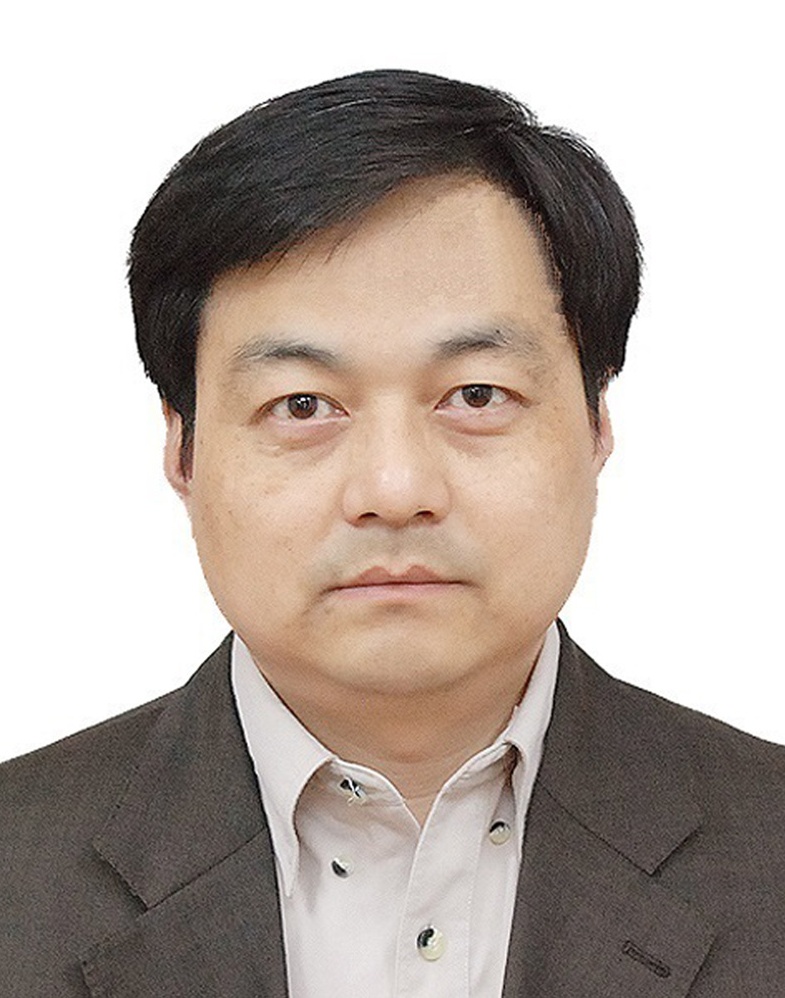 |
Prof. Zhigang Zeng Huazhong University of Science and Technology, China
|
Abstract
In the intelligent wave driven by large models, the parameter scale and computing power stacking have significantly enhanced the machine's ability in specific tasks, but it still highly relies on massive data, has high energy consumption, and has insufficient online adaptability to open environments. It still falls short of autonomous intelligence with capabilities such as contextual understanding and emotional interaction. We attempt to take "the four alignments of weak/strong artificial intelligence" as the starting point, review the key correspondences between AI and brain science mechanisms: deep networks and neuronal-synaptic structures, Attention and classical conditioning reflexes, reinforcement learning and operant conditioning reflexes, embodied intelligence and the closed-loop of brain-cerebellum collaboration. Further, it is explained that dynamic associative memory may be an important support for achieving stronger autonomy and adaptability. The report focuses on the operation of associative memory networks based on memristors, analyzes "simulating multi-sensory association" and "simulating emotional generation and evolution". In the future, it may further expand to more rich modalities and higher-level cognitive functions, and integrate with brain-inspired algorithms such as SNN and HTM, as well as memory-and-computation integrated chips, to support the implementation of applications such as autonomous intelligent unmanned systems, emotional robots, and intelligent wearables.
Biography
Zhigang Zeng is the dean of the School of Artificial Intelligence and Automation at Huazhong University of Science and Technology, and the director of the Key Laboratory of Image Information Processing and Intelligent Control of the Ministry of Education. He is also an IEEE Fellow. In June 2003, he obtained a doctoral degree in System Analysis and Integration from Huazhong University of Science and Technology. He has conducted postdoctoral research at the Chinese University of Hong Kong and the University of Science and Technology of China. He has served as an editorial board member of several internationally renowned journals such as IEEE Transactions on Neural Networks, IEEE Transactions on Cybernetics, IEEE Transactions on Fuzzy Systems, Cognitive Computation, Neural Networks, Applied Soft Computing, Acta Automatica Sinica, Control Engineering, System Engineering and Electronics Technology, and Control Theory and Applications. He has received the First Prize of Natural Science of Hubei Province, the First Prize of Science and Technology Progress of Hubei Province, the First Prize of Excellent Scientific Research Achievements of Higher Education Institutions of the Ministry of Education, and the Second Prize of National Science and Technology Progress Award.
3.2 Multi-objective dynamic collaborative optimization for the municipal wastewater treatment process
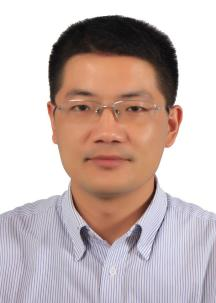 |
Prof. Honggui Han Beijing University of Technology, China
|
Abstract
Municipal wastewater treatment is an effective way to protect the environment and realize water resource recycling. However, due to the multi-processes, multi-working conditions, time-varying and other characteristics of municipal wastewater treatment process, optimal control based on a single scale, a single level, and a single goal cannot guarantee the optimum of the overall operation. Multi-objective collaborative optimization control achieves multi-objective optimization between local and global, short-term and long-term, and efficiency and safety in the municipal wastewater treatment process by constructing performance indicators at different time scales and designing a multi-conflict objective dynamic optimization method. It solves the problem of real-time dynamic optimization setting of key variables in the municipal wastewater treatment process, and effectively reduces the operating cost.
Biography
Honggui Han , professor, doctoral supervisor, and dean of the School of Computer Science. He has been engaged in research on intelligent control of complex systems, and has been selected for the National Science Fund for Distinguished Young Scholars, the National Science Fund for Excellent Young Scholars, the Young Beijing Scholar, the Young Scientist of the Chinese Automation Society, and the Outstanding Young Scientist of Beijing Universities, etc. As a result of the research, he has published more than 100 academic papers and written 5 books; he has obtained more than 60 authorized Chinese/American invention patents, has presided over/participated in the formulation of more than 10 national/group/local standards. He has won the second prize of the National Science and Technology Progress Award, the first prize of the Ministry of Education Science and Technology Progress Award, and the first prize of the Wu Wenjun Artificial Intelligence Science and Technology Progress Award, etc. He is currently the director of the "Digital Community" Engineering Research Center of the Ministry of Education and the director of the Beijing Key Laboratory of "Computational Intelligence and Intelligent Systems". He also serves as an editorial board member of journals such as China Science: Technical Sciences, IEEE Transactions on Cybernetics, etc.
3.3 Efficient World Models and Inference
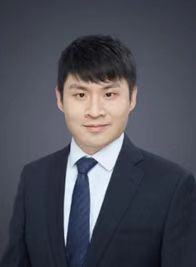 |
Prof. Gang Wang Beijing Institute of Technology, China
|
Abstract
World models provide an efficient "imagination" training space for embodied AI by simulating environmental dynamics. However, existing methods face significant challenges in long-horizon modeling, dynamic perception, multi-task generalization, and sample efficiency. Focusing on efficient world model construction and reasoning, we have made a series of advancements: STORM proposes a Transformer-based decoupled training architecture, reducing the single-task training cost to 6.8 RMB; DyMoDreamer introduces a dynamic modulation mechanism, achieving 156% human normalized score on Atari; Mixture-of-World Models realize unified modeling across 26 games through a modular latent dynamics architecture; Object-Centric World Models enable efficient learning with minimal annotations; and finally, hierarchical value-decomposed offline RL achieves complex task transfer for whole-body control of humanoid robots. These works have been validated in systems such as drones and humanoid robots. Future work will explore general world knowledge learning and inference-time computation scaling.
Biography
Gang Wang is a Professor and Doctoral Supervisor at the School of Automation, Beijing Institute of Technology, where his research focuses on data-driven control of unmanned systems and world model learning. He has served as the Principal Investigator for the National Key R&D Program of China and the Joint Key Program of the National Natural Science Foundation of China. He has published 60 journal papers in top-tier transactions such as IEEE TIT, TAC, and TSP, along with 60 conference papers in leading venues including NeurIPS, ICRA, IROS, and CDC. His accolades include the ICCA Best Paper Award, the IEEE Signal Processing Society’s Outstanding Editorial Board Member Award, the "Best Paper Award from Frontiers of Information Technology & Electronic Engineering, the EUSIPCO Best Student Paper Award, and the Chinese Association of Automation (CAA) Natural Science First Prize. Currently, he serves as an Associate Editor for IEEE Control Systems, IEEE Transactions on Signal and Information Processing over Networks, and IEEE Open Journal of Control Systems, and holds positions as Vice Chair of the CAA Technical Committee on Embodied Intelligence and member of the CAA Technical Committee on Control Theory.
3.4 Ai-driven optimization of hydrogen-electric coupling systems
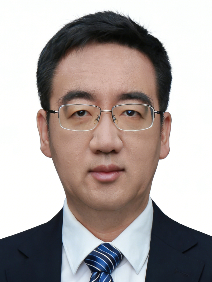 |
Prof. Bo Yang Shanghai Jiao Tong University, China
|
Abstract
Electrolysis of water for hydrogen production using new energy can achieve multiple goals, including new energy consumption, carbon reduction, and long-term energy storage. However, the production, transportation, and utilization of green hydrogen are confronted with several challenges: the mismatch between fluctuating green power input and the large-inertia electrochemical process, the spatiotemporal distribution reconstruction of mixed gases in pipelines, and the low-carbon regulation of energy-substance conversion processes. To address these issues, this report first introduces a decision-driven learning-based power allocation scheme for multiple electrolyzers, which ensures consistency between green power prediction and power allocation strategies. Subsequently, a DeepOnet-based method for estimating the spatiotemporal distribution of mixed gases and an AI-embedded multi-energy joint dispatching method are proposed. Furthermore, an optimization-guided joint dispatching strategy for high-energy-consumption production processes and energy is put forward to realize carbon and cost reduction under dynamic and uncertain conditions. Finally, the design method of a green hydrogen energy management and control platform based on AI Agent is presented.
Biography
Bo Yang is a Distinguished Professor at Shanghai Jiao Tong University and currently serves as the Dean of the School of Automation and Intelligent Sensing. He also holds the positions of Vice Chairman of the Shanghai Society of Automation and Director of the Shanghai Engineering Research Center of Industrial Intelligent Control and Management. His research focuses on integrated energy systems and the industrial Internet of Things. He has authored over 200 academic papers and one monograph, and holds 40 granted invention patents, including one U.S. invention patent. As the Principal Investigator (PI), he has led more than 20 major projects at the provincial, ministerial, and national levels, such as the NSFC Young Scientist Fund Project (Class A), NSFC Key Projects, and Key R&D Program Projects of the Ministry of Science and Technology. His research accomplishments have been recognized with numerous prestigious awards, including the Ministry of Education Natural Science Award, the Shanghai Technology Invention Award, the IEEE TCCPS Outstanding Industrial Contribution Award, and the Chinese Association of Automation (CAA) Young Scientist Award. He is also a recipient of the National High-Level Talents Special Support Program (Young Top Talents).
3.5 Research Progress on Precise Decoding of Brain-Computer Interfaces
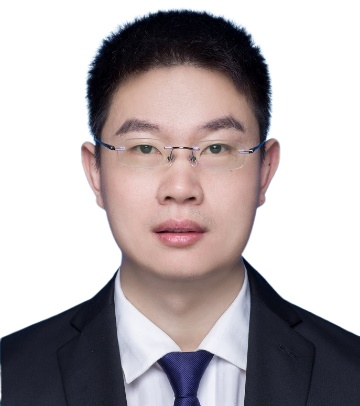 |
Prof. Dongrui Wu Huazhong University of Science and Technology, China
|
Abstract
Brain-computer interface (BCI) serves as a direct interaction channel between the brain and external devices (such as computers and robots). Due to individual differences and the non-stationarity of electroencephalogram (EEG) signals, BCI systems generally require personalized calibration for new users or new tasks, which is time - consuming and labor - intensive, and may dampen user interest. Advanced signal processing and machine learning methods can reduce or even completely eliminate the need for calibration, thereby enhancing the system's accuracy and user - friendliness. This report will present the research progress in the precise decoding of BCI, including data alignment, transfer learning, knowledge - data fusion, and large - scale models.
Biography
Dongrui Wu (IEEE Fellow) received a B.E in Automatic Control from the University of Science and Technology of China, Hefei, China, in 2003, an M.Eng in Electrical and Computer Engineering from the National University of Singapore in 2006, and a PhD in Electrical Engineering from the University of Southern California, Los Angeles, CA, in 2009. He is now Chair Professor and Vice Dean of School of Artificial Intelligence and Automation, Huazhong University of Science and Technology, Wuhan, China. His research interests include brain-computer interface and machine learning. He has more than 200 publications (18000+ Google Scholar citations; h=70), with 7 outstanding paper awards. His team won National Champion of the China Brain-Computer Interface Competition in seven successive years (2019-2025). He is the Editor-in-Chief of IEEE Transactions on Fuzzy Systems.
3.6 Designs of Network Architectures and Optimization Algorithms Based on Neural Differential Equations
|
Prof. Long Jin Lanzhou University, China
|
Abstract
This presentation investigates the theoretical and practical integration of deep neural networks and neural differential equations to address fundamental challenges in model robustness, trainability, and generalization. By interpreting network depth as time in dynamic systems, the research leverages numerical analysis concepts, specifically zero stability, consistency, and Shannon’s sampling theorem, to guide the design of stable and efficient network architectures. Furthermore, it introduces novel optimization algorithms, such as gradient activation, loss landscape reshaping, and integral-based smoothing, which utilize dynamic system principles to handle ill-conditioned problems, escape saddle points, and converge to flat minima. Collectively, we provide a low-cost, high-efficiency framework for enhancing deep learning performance by bridging discrete network structures with continuous differential equation theory.
Biography
Long Jin is a Professor and Doctoral Supervisor at Lanzhou University, awarded the National-Level Young Talents Program. In 2023, he was a Visiting Professor in the Department of Computer Science at City University of Hong Kong. He has served as PI for four projects from the National Natural Science Foundation of China, and several provincial/ministerial-level projects, including key/outstanding youth projects from the Natural Science Foundation of Gansu Province. He has been consecutively included in Elsevier's list of "Highly Cited Chinese Researchers" and the global Top 0.05% Scholars list for multiple years. His honors include the Excellent Doctoral Dissertation Award from the Chinese Association for Artificial Intelligence (CAAI), the Wu Wenjun Artificial Intelligence Excellent Youth Award, and the Second Prize of the Natural Science Award of Gansu Province. Under his supervision, his students have received numerous awards, including Outstanding Doctoral and Master's Theses from national first-level societies and provincial authorities, as well as the Outstanding Ph.D. Student Project from the National Natural Science Foundation of China. He currently holds associate editor positions for several SCI-indexed journals, including IEEE TIE, TIV, TASE, TFS, JAS, Neural Networks, and CAAI TRIT, and has repeatedly received Outstanding Editor Awards from journals such as IEEE JAS, CAAI TRIT, and IJCAS. His research interests include computational intelligence and applications.
4. Autonomous Intelligence: Perception, Interaction, and Decision-Making Control
Abstract
Autonomous intelligence represents one of the ultimate goals of artificial intelligence, with its core lying in enabling systems to independently accomplish complex decision-making and control tasks through active perception and interaction with the environment. Achieving this goal urgently requires breakthroughs in key technologies such as dynamic environmental perception, human-machine interaction and collaboration, and autonomous decision-making and planning. This forum focuses on innovative developments in automation technology, addressing the theoretical and practical challenges of integrating perception, learning, and control in autonomous systems operating under uncertain conditions.
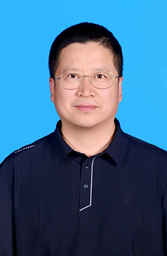 |
Chair: Prof. Erchao Li Lanzhou University of Technology, China
|
Biography
Erchao Li , Ph.D. in Engineering, Professor, Doctoral Supervisor, Gansu Provincial Leading Talent (First Level), Dean of the School of Automation and Electrical Engineering.He has presided over 3 NSFC projects and over 30 provincial-ministerial projects, winning more than 10 provincial-ministerial teaching and research awards. He has published over 100 papers (60+ indexed by SCI/EI) in journals like IEEE T-IE, TSMC-S and Acta Automatica Sinica, and is a CNKI Top 1% Highly Cited Scholar.He has guided students to win over 10 national awards and a postdoctoral fellow to win a national bronze medal. He has published 2 independent monographs and 1 co-authored textbook, and serves as editorial board member for multiple journals and committee member of professional committees.Main Research Interests: Intelligent optimization theory and applications; environmental perception, modeling and control of intelligent robots; modeling and operation optimization of integrated energy systems.
4.1 Intelligent Mechatronic Systems: Refined Modeling, Disturbance Rejection, and Safety-Critical Control
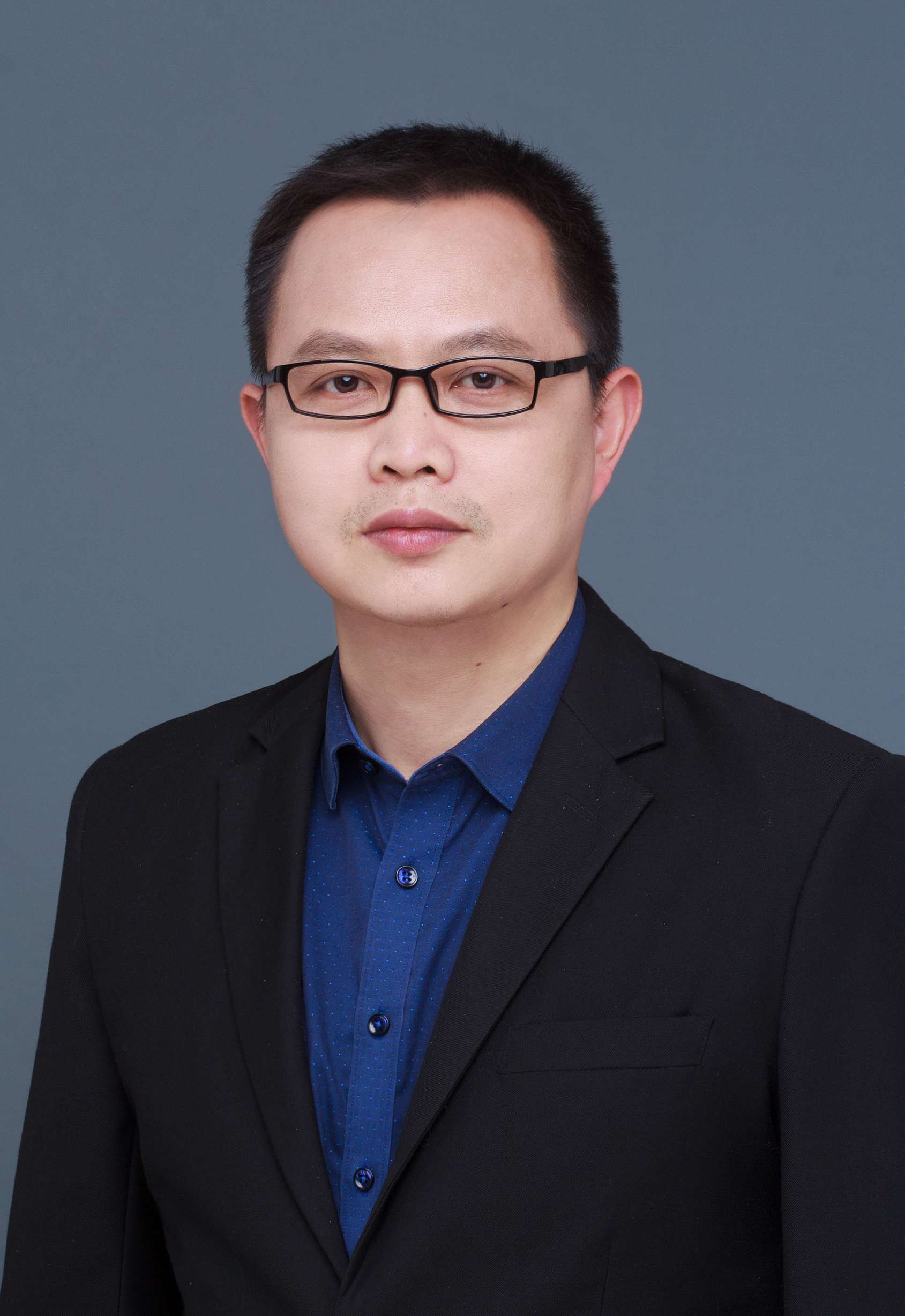 |
Prof. Shihua Li Southeast University, China
|
Abstract
For mechatronic systems, nonlinearities (frictions, backlash, saturation, etc.), complex internal dynamics, time-varying parameters, external disturbances and complex work tasks make control design a very challenging work. On the other hand, safety becomes an utmost concern for modern mechatronic systems. In this talk, we will elaborate an advanced control framework for intelligent mechatronic systems, focusing on refined modeling, disturbance rejection, and safety-critical control. Compared with high gain control and integral control methods, disturbance estimation-based control provides a different way to handle disturbance. Disturbance estimation based robust control method can effectively improve the disturbance rejection ability and ensure the robustness of closed-loop system. Some new research developments and results on this topic will be introduced. Specially we will discuss on various advanced modeling, analysis and disturbance rejection control techniques for mechatronic control systems with considerations of time delay, constraint safety control. Applications to industrial AC servo, port crane systems, and collaborative robot will be presented to validate the effectiveness of the proposed control framework.
Biography
Shihua Li
received his bachelor, master, Ph.D. degrees all in Automatic Control from Southeast University, Nanjing, China in 1995, 1998 and 2001, respectively. Since 2001, he has been with School of Automation, Southeast University, where he is a Chief Professor, Jiangsu Specially Appointed Professor, dean of School of Automation. He is the chairman of IEEE IES Nanjing Chapter, Fellow of IEEE, IET, AAIA and CAA. He is also the Director General of Jiangsu Association of Automation. He is an IEEE Distinguished Lecturer. He serves as members of the Technical Committees on System Identification and Adaptive Control, Nonlinear Systems and Control and Variable Structure and Sliding Mode Control of the IEEE CSS and members of the Technical Committees on Electrical Machines, and Motion Control of the IEEE IndustrialElectronics Society. He is a member of the Technical Committee on Control Theory of Chinese Association of Automation. He served or serves as editor or associate editor of IEEE Transactions on Industrial Electronics, International Journal of Robust and Nonlinear Control, IET Control Theory & Applications, Advanced Control for Applications, etc.
His main research interests include modeling and nonlinear control theory with applications to mechatronic systems. He has published 3 monographs, over 300 international journal and conference papers with 38000+ citations (Google Scholar). He is one of Clarivate Analytics Highly Cited Researchers all over the world in 2017-2024. He is a winner of the 6th Nagamori Award in 2020.
4.2 CAD-GPT: Synthesizing CAD Construction Sequence with Spatial Reasoning-enhanced Multimodal LLMs
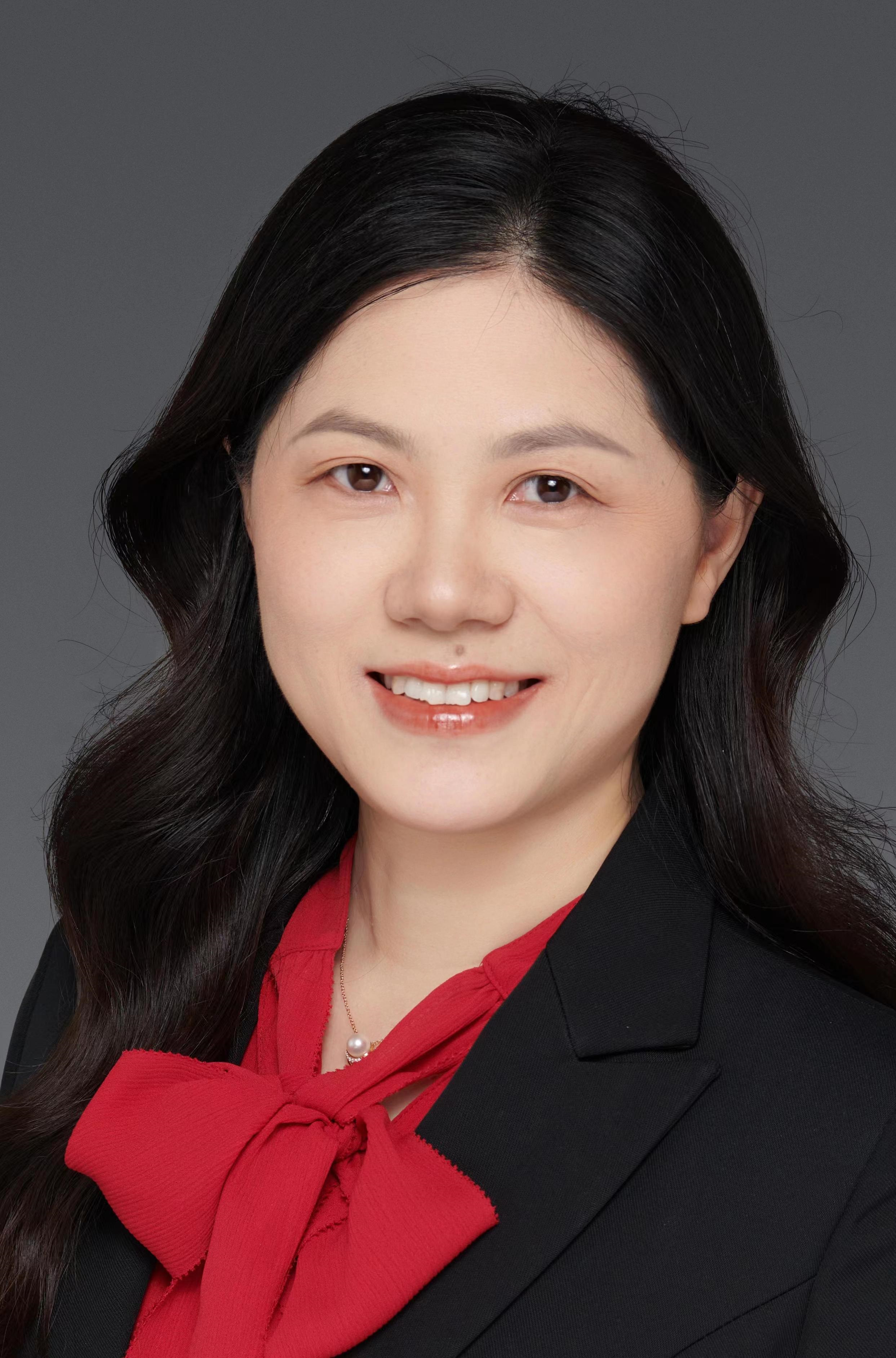 |
Prof. Cailian Chen Shanghai Jiao Tong University, China
|
Abstract
Generating parameterized CAD models from visual and/or textual inputs is a fundamental challenge in engineering automation. This task requires not only a deep semantic understanding of geometric intent but also precise 3D spatial reasoning regarding sketch plane orientations and extrusion directions. Existing Multimodal Large Language Models (MLLMs) struggle to infer 3D spatial positions within continuous coordinate spaces, resulting in low generative efficiency and significant geometric inaccuracies. In this talk, we propose CAD-GPT, a spatial-reasoning-enhanced MLLM specifically designed for synthesizing parameterized CAD modeling sequences. CAD-GPT supports the generation of complete modeling sequences from either a single image or a natural language description. Our core contribution is the 3D Modeling Space Mechanism, which maps 3D rotation angles of sketch planes and extrusion directions into a 1D language token space. Furthermore, 2D sketch coordinates are discretized into learnable positional tokens and integrated into the base LLM’s vocabulary. This representation transforms spatial reasoning into a standard next-token prediction problem, fundamentally eliminating the instability inherent in continuous regression head designs. CAD-GPT achieves SOTA performance across tasks such as img2CAD and text2CAD. To validate its end-to-end efficacy in real-world engineering scenarios, we integrated CAD-GPT as the central synthesis engine into NeuroCAD, a multi-agent CAD automation platform. NeuroCAD encompasses specialized agents for 2D drawing parsing, dimension extraction, topological analysis, and modeling planning. We demonstrate the practical utility of this system through a series of industrial implementations and applications.
Biography
Cailian Chen is currently a Distinguished Professor in School of Automation and Intelligent Sensing, Shanghai Jiao Tong University. Her research interests include industrial Internet and Industrial Intelligence. She received the prestigious IEEE Transactions on Fuzzy Systems Outstanding Paper Award in 2008, the IEEE TCCPS Industrial Technical Excellence Award in 2022, and five conference best paper awards. She was awarded the N2Women Star in Computer Networking and Communications in 2022. She won the Second Prize of National Natural Science Award from the State Council of China in 2018, the First Prize of Natural Science Award from the Ministry of Education of China in 2006 and 2016, respectively; and the First Prize of Technological Invention of Shanghai Municipal, China, in 2017 and 2023, respectively. She was honored with the “National Outstanding Young Researcher” by NSF of China in 2020, the “Changjiang Young Scholar” in 2015, and the prestigious China Young Women Scientists Award in 2024. She has been actively involved in various professional services. She is a Distinguished Lecturer of IEEE VTS. She serves as the Deputy Editor for National Science Open and Artificial Intelligence for Engineering (Wiley), and an Associate Editor for IEEE Transactions on Vehicular Technology and IET Cyber-Physical Systems: Theory and Applications.
4.3 Intelligence Intelligent Microsurgical Robotics
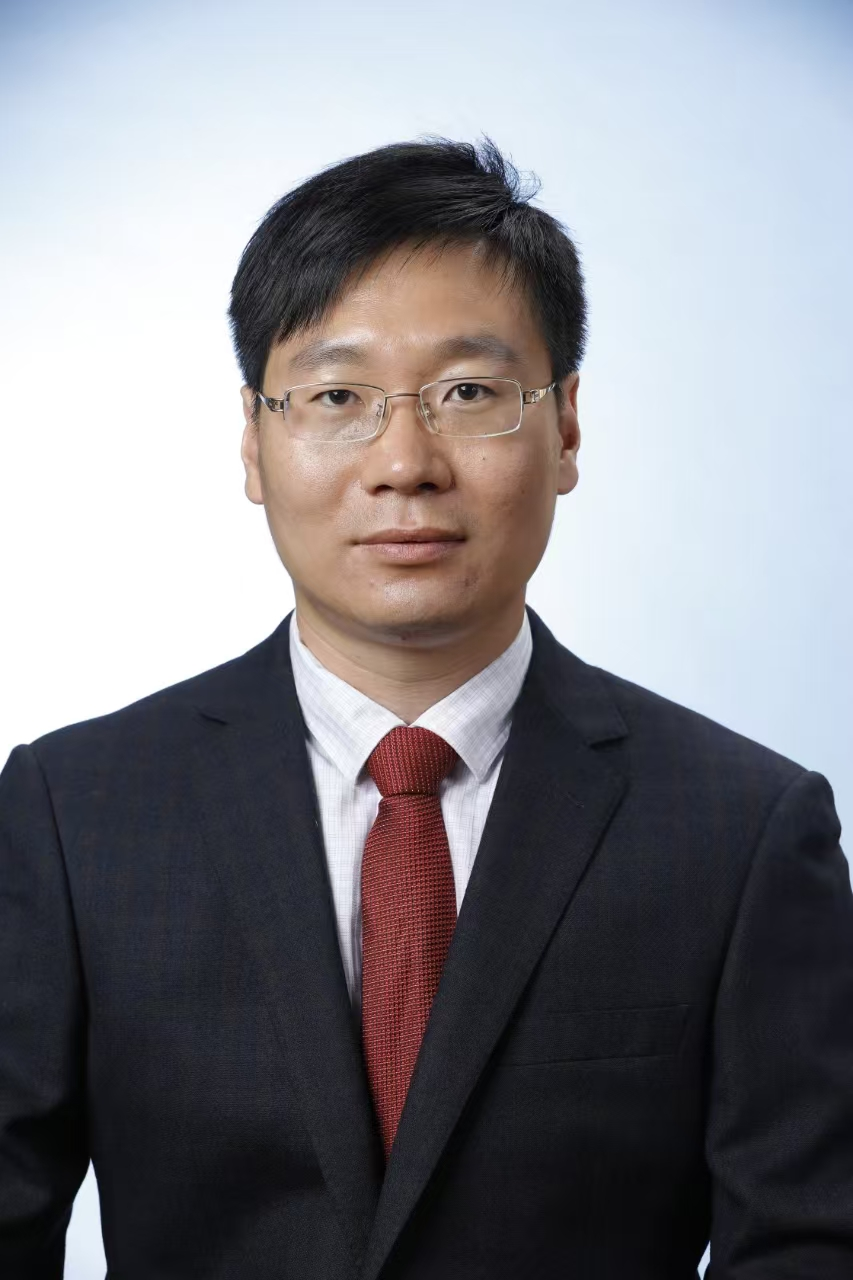 |
Prof. Guibin Bian Institute of Automation, Chinese Academy of Sciences, China
|
Abstract
Microscopic surgical robots represent an integrated advancement in precision surgery and intelligent control. They assist surgeons in a variety of microsurgical procedures by enabling highly accurate, dexterous, and standardized operations, and constitute a significant branch of medical surgical robotics. Focusing on microscopic ophthalmic surgery, this lecture reviews the historical development and leading advances in the field, and describes how innovations in surgical microscopes and instruments have catalyzed progress. The next generation of microscopic ophthalmic surgical robots is characterized by greater operational autonomy and flexibility, higher control precision, more comprehensive assistive functions, and improved postoperative feedback. The talk details several key enabling technologies, including the development of intelligent surgical instruments, intraoperative real‑time multimodal navigation methods, robotic intelligent control strategies, and automated surgical assessment. The lecture concludes with an outlook on future opportunities and challenges for microscopic ophthalmic surgical robotics.
Biography
Guibin Bian is a Professor at the Institute of Automation, Chinese Academy of Sciences, and a nationally recognized leading talent. His research focuses on intelligent surgical robotics. He has led projects including a National Key R&D Program, the National Natural Science Foundation’s Major Scientific Instrument Development project, joint foundation projects, and an Innovation & Interdisciplinary Team project of the Chinese Academy of Sciences. He has authored over 190 high‑quality academic papers, 99 of which are indexed by SCI, and received seven international paper awards. He holds 72 granted domestic and international invention patents and participated in drafting one national standard. His honors include the First Prize of the China Instrument and Control Society’s Technological Invention Award, the First Prize of the China Invention Association’s Invention & Innovation Award, the “Strengthening‑Nation Young Scientist” nomination from the Communist Youth League and China Youth Daily, and the Robot Science Leading Award. He serves on expert panels for the 14th Five‑Year National Key R&D Program (Special Projects on “Fundamental Research Infrastructure and Major Scientific Instruments and Equipment Development” and “Intelligent Robotics”), and is a member of the expert working group for the AI domain guideline of the “Strategic Science & Technology Innovation Cooperation” key program. He is President of the Chinese Academy of Sciences Youth Innovation Promotion Association, a member of the Academic Committee of the PLA Key Laboratory for Combat Injury Specialized Treatment, and an editorial board member of IEEE Transactions on Instrumentation and Measurement (TIM), IEEE Transactions on Automation Science and Engineering (TASE), and The Innovation. He has been recognized as an Outstanding Member of the CAS Youth Innovation Promotion Association, Beijing Outstanding Young Scientist, and Beijing Science & Technology Rising Star.
4.4 Research on Cardiac-Cerebral Neural Interaction Model
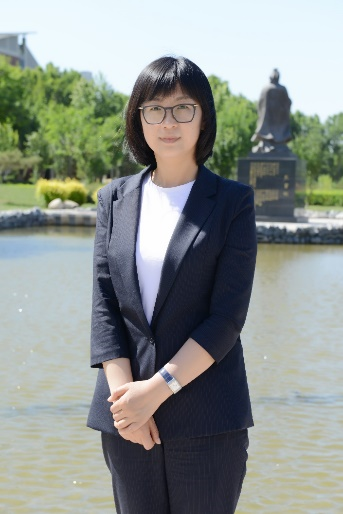 |
Prof. Xiuling Liu Hebei University, China
|
Abstract
The brain and the heart are closely linked, and there are many interactive channels between them. The mental tension and emotional excitement can increase the incidence of organic heart disease, especially ischemic heart disease patients with malignant arrhythmia and sudden cardiac death. Meanwhile the abnormal function of the heart will affect the brain's high-level nerve center response, leading to the occurrence of brain diseases. Brain disease and cardiopathy prevention and treatment has long been a key national concern. In recent years, although a series of research advances have been made in their prevention and treatment, problems such as untimely and imprecise diagnosis still exist. This report will focus on the auxiliary diagnostic methods for cardiovascular and cerebrovascular diseases with brain-heart coupling, reveal the coupling law between brain and heart from multiple angles, and provide new ideas for joint brain-heart research. At the same time, it will introduce the research work of the group in auxiliary diagnosis of cardiovascular and cerebrovascular diseases, research and development of hardware equipment, and popularization and application of related technologies.
Biography
Xiuling Liu is a professor and doctoral supervisor at Hebei University, where she also serves as a standing committee member of the Party Committee and vice president. She has been recognized as a leading talent in technological innovation under the national "Ten Thousand Talents Program." Her honors include the National Women's Meritorious Service Award, selection for Hebei Province's "333 Talent Project" (first level), and designation as a Distinguished Young Scholar in Hebei. She also holds the title of Special Government Allowances expert in Hebei Province, has been named one of the province's "Most Beautiful Scientific and Technological Workers," and is listed among the top 100 innovative talents in Hebei universities. She serves on the 10th National Committee of the China Association for Science and Technology (CAST), on the standing committee of the Hebei Provincial Association for Science and Technology, and as secretary-general of the Brain-Computer Interface and Brain-Computer Systems Committee within the Chinese Association of Automation. Her research bridges medicine and engineering, with a focus on brain-computer intelligence for rehabilitation, wearable smart medical devices, and intelligent diagnosis of cardiovascular diseases. She has led numerous national research projects, including those supported by the National Key Research and Development Program, the National Natural Science Foundation of China (major instrument development, key projects, original explorations, and general programs), and innovative research initiatives from the military science and technology commission. She is also committed to translating research into practical applications. Her work has earned her three second-class prizes in the Hebei Provincial Science and Technology Progress Awards and the Hebei Youth Science and Technology Award. Her research team has been named the "Most Noteworthy Scientific and Technological Innovation Team" by Hebei Province and has received the "National Women's Civilization Post" award from the All-China Women's Federation.
4.5 Intelligence Intelligent Control and Application of AC Drive Systems
|
Prof. Jinpeng Yu Qingdao University, China
|
Abstract
Manufacturing is the backbone of the national economy, serving as the foundation for national development, the engine for national prosperity, and the cornerstone for national strength. With the implementation and advancement of “Made in China 2025,” intelligent manufacturing has become a crucial pathway for the transformation and upgrading of China's manufacturing sector as well as a leading force in international competition. High-precision AC drive control systems represent core technologies in smart manufacturing, serving as the “brain” for advanced equipment such as robots. This report focuses on AC drive systems in engineering applications, presenting a series of studies addressing challenges such as the complex dynamic characteristics, the physical constraints of real-world operating conditions, and the difficulties of algorithmic engineering implementation. The research explored intelligent control methods for AC motors, multi-motor synchronous servo systems, and multi-joint robotic systems, along with relevant application cases.
Biography
Jinpeng Yu is a Chang Jiang Scholar Distinguished Professor appointed by the Ministry of Education, a National Outstanding Educator, Chief Professor and Dean of the School of Automation at Qingdao University, a recipient of the Shandong Province May 1st Labor Medal and Provincial Teaching Master, a Highly Cited Scientist globally, a Highly Cited Scholar in China, a Top 0.5% Scientist worldwide, the inaugural Provincial Top Ten Graduate Advisor, and a Provincial Outstanding Science and Technology Worker. He currently serves as Director of the Shandong Provincial Key Laboratory of Industrial Control Technology, Vice President of the Shandong Automation Society, Director of the Provincial Complex Systems and Intelligent Control University Laboratory, Director of the Teaching Committee of the Shandong Automation Society, Council Member and Teaching Committee Member of the Chinese Association of Automation. He is Editor-in-Chief of the distinguished cluster journal Complex Systems and Complexity Science, and serves on the editorial boards of 12 SCI-indexed journals including IEEE Transactions on Neural Networks and Learning Systems and IEEE Transactions on Cybernetics. He has authored three monographs as the primary/corresponding author, published over 100 papers in journals such as IEEE Transactions on Automatic Control, and holds more than 40 authorized invention patents. He has led over 30 major projects, including the National Key Research and Development Program and key projects of the National Natural Science Foundation. He was the first recipient of the Second Prize of the National Graduate Teaching Achievement Award and the First Prize of Shandong Provincial Technological Invention Award. His research focuses on intelligent control and robotics, as well as motion control and servo systems.
4.6 Data Imputation, Augmentation and Softsensor Modeling Methods for Urban Wastewater Treatment Process
|
Prof. Erchao Li Lanzhou University of Technology, China
|
Abstract
With the continuous advancement of urban wastewater treatment technologies, particularly in the areas of data acquisition, modeling analysis, and control optimization, intelligent monitoring and optimization methods have become key technologies for improving the efficiency, stability, and adaptability of wastewater treatment systems under variable operating conditions. However, soft-sensing modeling in urban wastewater treatment faces multiple challenges. In addition to missing data, issues such as the scarcity of samples under extreme operating conditions and the complex data characteristics in noisy environments significantly impact data accuracy and model generalization ability. Therefore, developing robust and adaptable soft-sensing models that can cope with dynamic changes and non-stationary operating conditions, particularly under complex disturbances, seasonal fluctuations, and changing operating conditions, has become a critical issue to address.
This report primarily explores soft-sensing modeling methods and their associated pre-processing challenges for urban wastewater treatment processes, with a focus on data governance techniques such as missing value imputation and sample augmentation. It also addresses how to improve model robustness and adaptability in multi-task environments. The report first reviews the background and challenges related to data quality issues in wastewater treatment. Next, it introduces several innovative methods to address challenges in modeling wastewater treatment monitoring data, including missing data, non-linear temporal characteristics, and high-noise environments. These methods include a physics-constrained imputation network, an evolutionary optimization-driven multi-graph structure imputation model, and a virtual sample generation framework. Subsequently, the report summarizes how to enhance the robustness and adaptability of soft-sensing models in complex dynamic environments using evolutionary optimization frameworks and ensemble modeling strategies, particularly in the context of multi-operating conditions, multi-scale variations, and data disturbances. Finally, the report discusses the application prospects and technical challenges of these methods in actual wastewater treatment processes, particularly the difficulties in technology transfer during practical deployment and engineering applications, and provides specific guidance for future technological development and engineering implementation.
Biography
Erchao Li , Ph.D. in Engineering, Professor, Doctoral Supervisor, Gansu Provincial Leading Talent (First Level), Dean of the School of Automation and Electrical Engineering.He has presided over 3 NSFC projects and over 30 provincial-ministerial projects, winning more than 10 provincial-ministerial teaching and research awards. He has published over 100 papers (60+ indexed by SCI/EI) in journals like IEEE T-IE, TSMC-S and Acta Automatica Sinica, and is a CNKI Top 1% Highly Cited Scholar.He has guided students to win over 10 national awards and a postdoctoral fellow to win a national bronze medal. He has published 2 independent monographs and 1 co-authored textbook, and serves as editorial board member for multiple journals and committee member of professional committees.Main Research Interests: Intelligent optimization theory and applications; environmental perception, modeling and control of intelligent robots; modeling and operation optimization of integrated energy systems.
5. Knowledge and Data-Driven Intelligent Diagnosis and Treatment
Abstract
To pioneer a new era of smart healthcare in China and chart a new blueprint for a Healthy China, the "Knowledge- and Data-Driven Intelligent Diagnosis and Treatment High-End Forum" has been inaugurated. As a premier industry gathering in the country, this year's forum maintains the highest standards and caliber, bringing together esteemed academicians, recipients of the National Science Fund for Distinguished Young Scholars, Yangtze River Scholars, and leaders from top-tier research institutions to jointly contribute to this landmark event. The forum centers on two core engines—"knowledge-driven" and "data-driven" approaches—delving into their deep integration and application in disease and health management. A distinctive highlight is the pioneering focus on "Knowledge- and Data-Driven Intelligent Diagnosis and Treatment" as a cutting-edge theme. It aims to apply the latest AI theories, modern signal processing, intelligent decision-making, and feedback mechanisms across the entire clinical workflow—from model-based dynamic disease prediction and intelligent physical intervention to drug dosage regulation, personalized rehabilitation robots, and closed-loop dynamic modulation systems. This initiative drives the transformation of healthcare models from passive, static, and population-based approaches toward proactive, dynamic, and closed-loop interventions, enabling holistic, personalized, and integrated development spanning diagnosis, treatment, and rehabilitation. This convergence of ideas and multidisciplinary exchange will strive to address major clinical challenges, spark groundbreaking technological innovations, and provide core momentum and strategic support for building a globally influential intelligent diagnosis and treatment system.
 |
Chair: Prof. Guanglin Li Shenzhen Institutes of Advanced Technology, Chinese Academy of Sciences, China
|
Biography
Prof. Guanglin Li , Ph.D., the Director of the Institute of Integrated Technology at the Shenzhen Institutes of Advanced Technology (SIAT), Chinese Academy of Sciences, the Director of the Guangdong-Hong Kong-Macao Joint Laboratory of Human-Machine Intelligence Synergy Systems, and the Founder & Current President of the Shenzhen Artificial Intelligence Society. He previously served as a Postdoctoral Research Fellow at the University of Illinois at Chicago, USA, a Senior Research Scientist at BiotechPlex Biotechnology Company, USA, an Assistant Professor at Northwestern University, USA, and a Senior Research Scientist at the Rehabilitation Institute of Chicago, USA. His main research focuses on neural-machine interfaces, intelligent interaction, and intelligent rehabilitation systems. As the Principal Investigator, he has successively been granted over major national-level research projects, including the National Key R&D Program Projects, the National Major Scientific Research Instrument Projects of the National Natural Science Foundation of China (NSFC), the NSFC Regional Joint Fund Projects, the NSFC Integrated Projects, and the Key-Area R&D Program Projects of Guangdong Province. He has published over 380 SCI papers with an H-index of 54, including 3 papers in Nature, as well as papers in Nature Electronics, Science Advances (2 papers), JAMA, and IEEE journals. He was listed in Stanford University's World's Top 2% Scientists Ranking for 2020/2021/2023/2024 and the 2024 "Lifetime Scientific Impact Ranking". He has obtained/filed more than 210 domestic and international invention patents and utility model patents. Currently, he holds the positions of the Vice Director of the Rehabilitation Engineering Branch of the Chinese Society of Biomedical Engineering and the Director of the Rehabilitation Engineering Branch of the Guangdong Society of Biomedical Engineering.
5.1 Health Engineering: From Arterial Blood Pressure Measurement Technology to Personalized Intelligent Doctor Dr. PAI
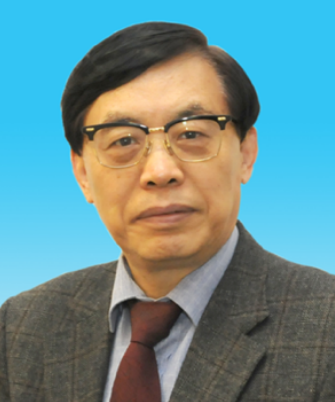 |
Prof. Yuanting Zhang The Chinese University of Hong Kong, China
|
Abstract
Health engineering is an emerging interdisciplinary field that promotes the transformation of the medical model from "disease-centered" to "health-centered". This report introduces two advancements of the team in the field of health engineering: one is the continuous measurement technology of blood pressure graph (TAG), which breaks through the limitations of traditional cuff-based methods and enables non-invasive, real-time, and continuous monitoring of blood pressure waveforms, providing an important means for dynamic capture of cardiovascular changes; the other is the personalized intelligent doctor Dr.PAI based on continuous physiological signals and artificial intelligence, which can achieve early warning, precise classification and personalized intervention of cardiovascular risks. The report aims to demonstrate the technical path from precise perception to intelligent decision-making, and explore the possibility of health engineering empowering future personalized health management.
Biography
Yuanting Zhang
is the founder and chairman of the Hong Kong Institute of Medical Engineering and LianGan Medical Technology Co., Ltd. He serves as an adjunct professor in the Department of Electronic Engineering at The Chinese University of Hong Kong, a visiting professor at the Oxford University's Institute for Advanced Study (OSCAR), a chief scientist at Guangdong Medical University, a research advisor at Massachusetts General Hospital (MGH) of Harvard Medical School, and the first chair and founding director of the Cardiovascular and Cerebrovascular Health Engineering Research Center under the InnoHK Innovation Platform in Hong Kong.
Previously, he was a sensor and hardware designer in the Health Technology Department of Apple Inc., a member of the MWLC-LRG at Karolinska Institute, the founding director of the Key Laboratory of Health Informatics at the Chinese Academy of Sciences, the founding director of the Institute of Biomedical and Health Engineering at the Shenzhen Institutes of Advanced Technology (SIAT) of the Chinese Academy of Sciences, the chief scientist of Honor Terminal Co., Ltd., a chair professor of Biomedical Engineering at City University of Hong Kong, and an adjunct chair professor at Shandong University. Professor Zhang taught at the Department of Electronic Engineering of The Chinese University of Hong Kong from 1994 to 2015 and from 2023 to 2025, during which he served as the first director of the Department of Biomedical Engineering and was responsible for establishing three biomedical engineering degree programs (Bachelor of Engineering, Master of Science, and Master of Philosophy/Doctor of Philosophy).
Professor Zhang currently serves as the chair of the IEEE Working Group for the development of the standard for cuffless blood pressure measurement devices (IEEE 1708), a member of the Blood Pressure Monitoring and Cardiovascular Variability Working Group of the European Society of Hypertension, and a member of the ISO Committee for the standard of cuffless blood pressure measurement devices. He has organized or co-chaired nearly 100 international conferences/workshops in the field of biomedical engineering (BME), and has served as the chair or co-chair of the flagship international conferences in this field dozens of times, including: the chair of the Technical Program Committee of the 20th IEEE-EMBS International Conference on Biomedical Engineering (EMBC'98) held in Hong Kong, China in 1998, the first such conference in Asia; the chair of the EMBC'05 Conference held in Shanghai, China in 2005; the co-chair of the International Committee of the EMBC'07 Conference held in Lyon, France in 2007; the chair of the International Committee of the EMBC'11 Conference held in Boston, USA in 2011; the chair of the International Committee of the EMBC'13 Conference held in Osaka, Japan in 2013; the co-chair of the Technical Program Committee of the EMBC'17 Conference held in Jeju Island, South Korea in 2017; the chair of the 2nd Gordon Research Conference on Advanced Health Informatics (GRC-AHI'2018) held in 2018; and the chair/co-chair of 22 IEEE-EMBS workshops and summer schools on biosensing and medical devices held at the University of Wisconsin, The Chinese University of Hong Kong, the Massachusetts Institute of Technology, and the University of Cambridge.
Professor Zhang has given over 300 academic presentations at home and abroad, including: an invited keynote speech at the IEEE Life Sciences Grand Challenges Symposium of the National Academy of Sciences in 2012; a keynote speech at the 40th IEEE-EMBS International Conference on Biomedical Engineering (EMBC'18) held in Hawaii in 2018; an Earl Owen Distinguished Lecture at the SMIT-IBEC International Conference held in Seoul, South Korea in 2018; a report at the first China-Germany Science and Technology Cultural Exchange Conference held by the Overseas Chinese Students Association in Berlin, Germany in 2018; a keynote speech at the IECBES Conference held in Malaysia in 2018; a keynote speech at the 9th China Women and Children Health Development Conference; and an invited keynote speech at the Wearable Technology Conference supported by the Israeli Ministry of Science and Technology and held at the Technion - Israel Institute of Technology in 2019. And the 2024 Wuhu Health Conference, the 8th China Chronic Disease Management and Health Industry Summit and the 12th West Lake Forum on Health, the 2024 and 2025 China Internet and Hypertension AI Medical Innovation Conference and the China Heart and Brain Wisdom Conference, the 2024 China Hypertension Conference and the 26th International Hypertension and Related Diseases Symposium, etc.
Professor Zhang is currently the Editor-in-Chief of the IOP Publishing's "Progress in Biomedical Engineering". He has served as the founding Editor-in-Chief of IEEE's "Journal of Biomedical and Health Informatics", the Editor-in-Chief of IEEE's "Journal of Biomedical and Health Informatics", the Editor-in-Chief of IEEE's "Journal of Biomedical Engineering Reviews", and the Vice President of the IEEE-EMBS International Society for Biomedical Engineering.
Professor Zhang has served as the chief scientist of the National Key Basic Research Development Program (973 Program) project "Multimodal Sensing and Imaging of Vascular System Plaque" established by the Ministry of Science and Technology of China, the leader of the "Multimodal High-Resolution Medical Imaging Innovation Team" of the Chinese Academy of Sciences and the State Administration of Foreign Experts Affairs, and has participated in multiple international research collaborations led by the Philips Research Institute in the Netherlands, including the EU FP7 "Cardiovascular Circulation" project. He has served as a review expert for the Wellcome Trust in the UK, the National Institutes of Health (NIH) in the US, the Natural Sciences and Engineering Research Council (NSERC) in Canada, the Innovation and Technology Commission (ITC) in Hong Kong, the National Natural Science Foundation of China (NSFC), and more than 10 other national and regional science fund institutions such as Israel, India, the Netherlands, Switzerland, South Korea, and Saudi Arabia.
Professor Zhang has been included in Elsevier's "China's Most Cited Researchers" list for many consecutive years and has been listed by Stanford University as one of the "Top 2% Global Scientists" (in the field of biomedical engineering). In peer comprehensive evaluations, he was rated as the "world's top scientist in the field of cuffless blood pressure technology", and the Chinese University of Hong Kong, where he works, is also ranked first in the world in this field. Professor Zhang has applied for 125 patents and has received more than 30 university, domestic and international awards, including two IEEE-EMBS Best Journal Paper Awards, the IEEE-EMBS Distinguished Service Award, the IEEE Standards Association (IEEE-SA) 2014 Emerging Technology Award, the IEEE-SA Standards Development Contribution Award, the IEEE-EMBS Greek Section Award, the Melbourne Asia-Pacific Information and Communication Technology Alliance eHealth Award, the 2023 IEEE-EMBS Williams J. Mokler Award presented at the Sydney EMBC International Conference, two Gold Awards at the 49th Geneva International Invention Exhibition in 2024, and recently the Merit Certificate for Outstanding Achievement of the 50th Anniversary of the Hong Kong Institution of Engineers in 2025 and the 2025 IFMBE Digital Health Outstanding Contribution Award, as well as the 2026 Wearable Devices World Cup Award. These awards recognize his and his team's outstanding contributions in wearable technology, health engineering, especially in the field of cuffless blood pressure measurement technology.
Professor Zhang is a Fellow of the International Academy of Medical and Biological Engineering, an IEEE Life Fellow, a Fellow of the International Alliance of Artificial Intelligence Industry (AIIA), a Fellow of the American Institute for Medical and Biological Engineering, a Fellow of the Asia-Pacific Artificial Intelligence Association, and a Fellow of the Hong Kong Institution of Engineers.
5.2 Are surgical robots in the era of artificial intelligence still called robotic surgeries?
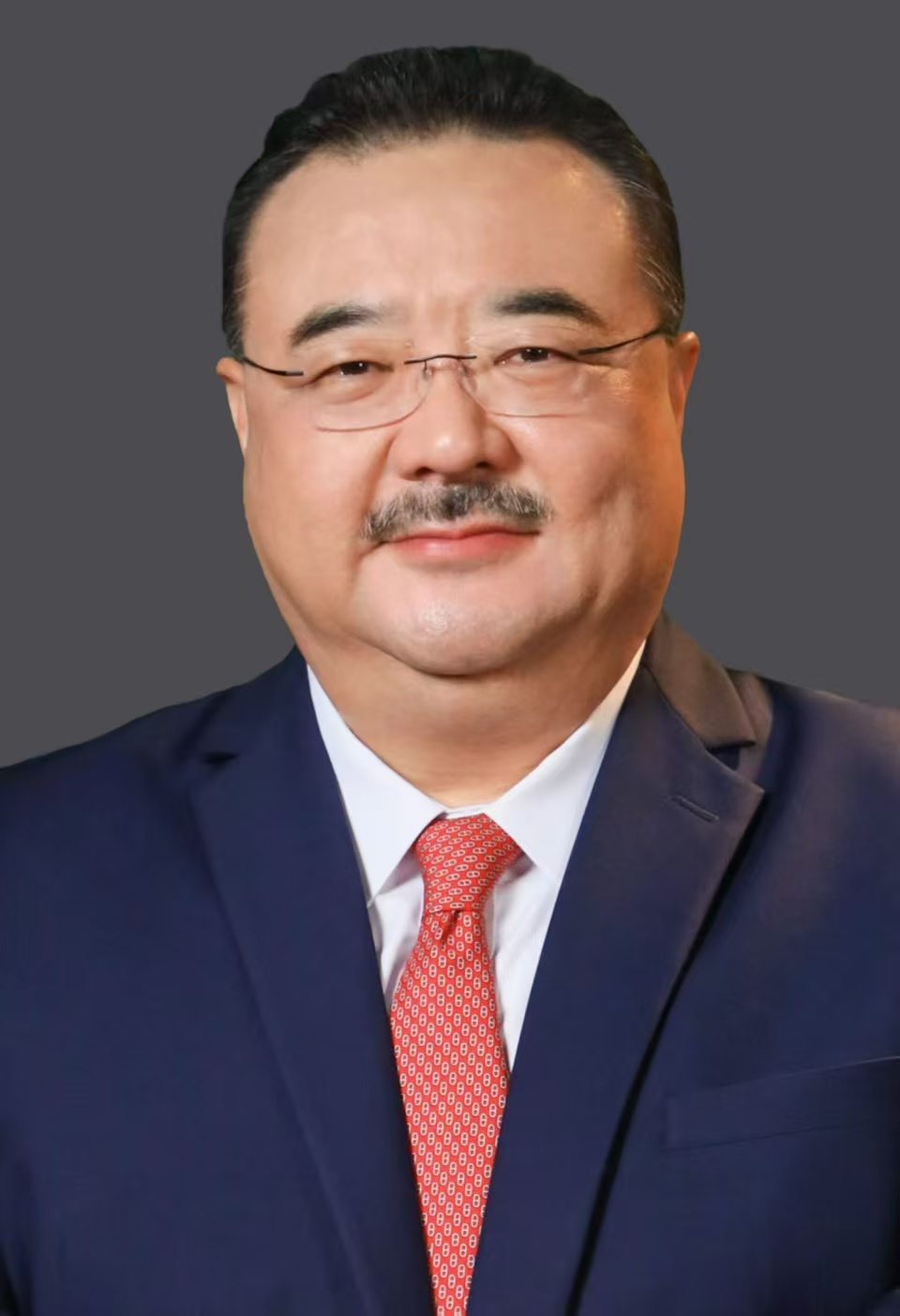 |
Prof. Qinghu Meng Southern University of Science and Technology, China
|
Abstract
At the forefront of artificial intelligence and bionic robots, how can smart healthcare, especially medical surgical robots, seize the opportunity and stand firm on the crest of the wave? Based on the speaker's over 30 years of innovative experience and learning insights in the field, this lecture reviews the past and gains new knowledge, exploring how smart healthcare can maximize the benefits brought by artificial intelligence and bionic robots, and then looking forward to the future development trends of smart healthcare and medical surgical robots, as well as the opportunities and strategic tactics for the innovative development of clinical medical staff.
Biography
Qinghu Meng , the Chair Professor and Head of the Department of Electronic and Electrical Engineering at Southern University of Science and Technology, is a Fellow of the Royal Society of Canada and IEEE, and a Distinguished Talent of Shenzhen. He previously served as a tenured full professor at the University of Alberta in Canada and as a professor and head of the Department of Electronic Engineering at The Chinese University of Hong Kong. His research interests include robot perception and intelligence. He has led several internationally leading research projects. He has been included in the Stanford University list of the world's top 2% most influential scientists for both lifetime impact and 2024 annual ranking. He has published nearly a thousand papers, filed over 100 domestic and international patents, and delivered over 200 keynote speeches at conferences. He has led more than 60 research projects with a total funding of nearly 100 million yuan. He has won over 30 international and domestic awards, including the Harashima Prize, the highest award in the field of intelligent robots and systems. He serves as the editor-in-chief and editorial board member of several journals, including the founding editor-in-chief of Elsevier's "Biomimetic Intelligence and Robotics", a top-tier English journal, and has served as the chair of many international academic conferences, including the IEEE/RSJ IROS 2005 and IEEE ICRA 2021 conferences, which are flagship events in the field of robotics and automation.
5.3 Endoluminal Robotics & Embodied AI in vivo
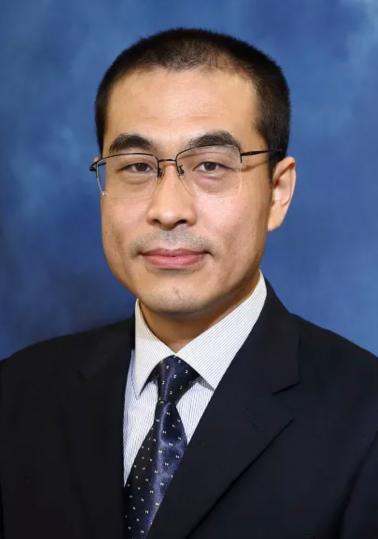 |
Prof. Hongliang Ren The Chinese University of Hong Kong, China
|
Abstract
Minimally Invasive Surgeries (MIS) emerging in modern medical treatment have brought new opportunities and challenges for procedure-specific surgical motion generation and the associated motion understanding, which are the foundation of intelligent robotic manipulation and guiding interventions. Image-guided robotic surgery is expected to increase the precision, flexibility, and repeatability of surgical procedures but poses challenges for system development. This talk will highlight our recent developments in dexterous robotic motion generation with motion perception towards intelligent image-guided minimally invasive procedures. The procedure-specific telerobotic surgical systems can assist surgeons in performing dexterous manipulations using continuum motion generation mechanisms with variable stiffness and context awareness.
Biography
Hongliang Ren received his Ph.D. in Electronic Engineering (Specialized in Biomedical Engineering) from The Chinese University of Hong Kong (CUHK) in 2008. He has served as an Associate Editor for IEEE Transactions on Automation Science & Engineering (T-ASE) and Medical & Biological Engineering & Computing (MBEC). He has navigated his academic journey through Chinese University of Hong Kong, Johns Hopkins University, Children’s Hospital Boston, Harvard Medical School, Children’s National Medical Center, United States, and National University of Singapore (NUS). His areas of interest include biorobotics, intelligent control, medical mechatronics, soft continuum robots, soft sensors, and multisensory learning in medical robotics. He is the recipient of the National Science Fund for Distinguished Young Scholars (Category A), CUHK Young Researcher Award, NUS Young Investigator Award and Engineering Young Researcher Award, IAMBE Early Career Award 2018, Interstellar Early Career Investigator Award 2018, ICBHI Young Investigator Award 2019, and Health Longevity Catalyst Award 2022 by NAM & RGC, Best Paper Awards in IEEE-ROBIO (2019 & 2013), IEEE-RCAR2016, IEEE-CCECE2015, IEEE-Cyber2014 among 30+ other prestigious awards.He has been constantly listed among the world’s top 2% of the most-cited scientists by Stanford University in the career-long category.
5.4 Intelligent medical imaging and processing
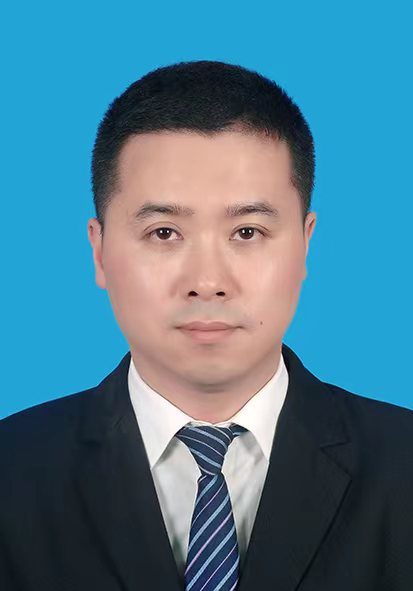 |
Prof. Yang Chen Southeast University, China
|
Abstract
The report is titled "Intelligent Medical Imaging and Processing", focusing on the feature-based high-quality imaging technologies in intelligent medical imaging driven by clinical tasks, the research and embedding of core algorithms for domestic medical imaging equipment, and clinical task-driven medical imaging processing. It mainly covers four sections: intelligent medical imaging, application of imaging algorithms, intelligent imaging processing and its applications, and cross-disciplinary research thoughts in medicine and engineering.
Biography
Yang Chen Engaging in scientific research related to medical imaging algorithms and intelligent image analysis, serving domestic high-end medical equipment, and publishing over a hundred papers, he is one of the 2022 Chinese High-Cited Scholars listed by Elsevier. Currently, he is a professor at the School of Computer Science and Engineering of Southeast University, a recipient of the National Outstanding Youth Science Foundation, and the principal investigator of a key research project of the Ministry of Science and Technology.
5.5 Biomedical Ultrasound and Brain-Computer Interface
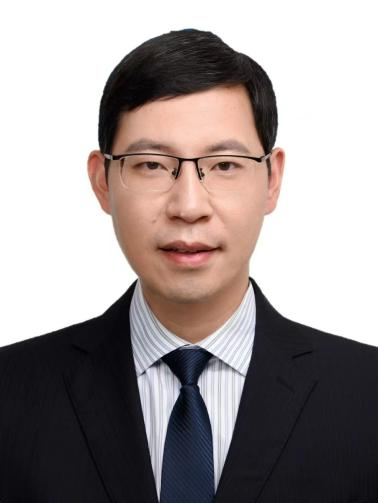 |
Prof. Long Meng Shenzhen Institutes of Advanced Technology, Chinese Academy of Sciences, China
|
Abstract
Classical physical means such as light, sound, electricity and magnetism are not only the core driving force for the paradigm shift in physics, but also the key bridge connecting macroscopic observation and microscopic exploration. In 1986, American scientist Arthur Ashkin used the optical radiation pressure formed by a strong gradient laser to achieve non-contact capture of living cells, opening up a new direction for the manipulation of microscopic biological particles by classical physical fields. Analogous to optical tweezers, ultrasonic manipulation, as another classical physical field manipulation technology, has gradually become a research hotspot in the field of biomedicine in recent years. Our research group has been deeply engaged in the field of microscale ultrasonic manipulation and has made a series of breakthroughs in addressing core bottlenecks such as the difficulty in precise control of microscale acoustic fields and low manipulation efficiency: at the level of acoustic field construction, we have developed a local acoustic field regulation method based on micro-nano array transducers, achieving high-precision manipulation of micrometer and even nanometer-sized biological particles; at the level of cell function analysis, we have developed a technology for precisely inducing cell deformation in time and space by ultrasonic radiation force, which can quantitatively measure the elastic mechanical properties of cells in high throughput and reveal the functional mechanism of cells from a mechanical perspective; at the clinical translation level, we have overcome the problem of precise focusing of ultrasound in complex multi-layer media and successfully developed a wearable ultrasonic neural modulation instrument for the neural intervention of brain diseases such as epilepsy. The above research not only expands the functional boundaries of ultrasonic manipulation technology, but also builds a cross-scale regulation system of "physical field - biological cells - neural function", providing core technical support for the integrated development of biomedical ultrasound and brain-computer interfaces, and is expected to become an innovative tool for early diagnosis and precise treatment of diseases.
Biography
Long Meng a doctoral supervisor and researcher, is the recipient of the National Natural Science Foundation of China's Class A Project for Young Scientists. Currently, he serves as the executive deputy director of the Institute of Biomedical Engineering at the Shenzhen Institutes of Advanced Technology, Chinese Academy of Sciences, and the director of the Brain-Computer Interface Research Center. He obtained his Ph.D. from the University of Chinese Academy of Sciences in 2012, under the guidance of Academician Zheng Hairong. His research mainly focuses on biomedical ultrasound and ultrasound brain-computer interfaces, and he has achieved systematic and innovative results in the construction of sound fields in complex media, the regulation of ultrasonic radiation force, and their biomedical applications. He is a council member of the Chinese Acoustical Society, and the vice chairperson of the Physical Acoustics Branch and the Biomedical Ultrasound Engineering Branch of the Chinese Acoustical Society. He is also a member of the editorial board of Ultrasonics. He has published over 90 SCI papers in journals such as Science Advances, Nature Chemical Biology, and the Journal of the Acoustical Society of America. He has been granted 25 invention patents, including 5 in the United States, and 8 of them have been industrialized. He has led major national science and technology projects (as the chief), major scientific research instrument development projects of the National Natural Science Foundation of China, and Class A and B projects of the National Natural Science Foundation of China for Young Scientists. He has won the First Prize of Technological Invention of Guangdong Province and the First Prize of Natural Science of Shenzhen City.
6. Cooperative Control and Intelligent Decision-Making for Complex Energy Systems
Abstract
This forum focus on cooperative control and intelligent decision-making technologies—the core engine underpinning the safe, efficient, and low-carbon operation of complex energy systems. Currently, the new energy-dominated power grid structure, the penetration of massive power electronic devices, and the demand for multi-dimensional interactions among generation, grid, load, and energy storage (source-grid-load-storage) have posed disruptive challenges to traditional control paradigms and operational management.
We will conduct an in-depth exploration of how cutting-edge technologies reshape the system landscape:
Developing grid-forming control, virtual synchronous generator (VSG), and other novel intelligent algorithms to support the stable integration of high-penetration renewable energy;
Investigating high-precision modeling, real-time simulation, and distributed autonomous cooperative control architectures for power-electronicized systems;
Constructing cloud/edge computing platforms, energy internet of things (Energy IoT), and data governance systems that enable full-domain perception and intelligent decision-making;
Tackling key technologies in multi-space-time cooperative optimization of source-grid-load-storage and intelligent dispatch of virtual power plants (VPPs);
Promoting innovative applications of artificial intelligence (AI) in state assessment, fault diagnosis, and resilience enhancement;
Empowering distribution network digitalization and flexible interaction with user-side resources;
Building resilient defense and proactive security systems to address extreme events.
The integration of these technologies marks a paradigm shift in energy systems—from passive response to proactive prediction, autonomous coordination, and intelligent decision-making—driving the formation of an efficient, resilient, and low-carbon closed-loop control system.
This forum sincerely invites experts to present cutting-edge achievements in theoretical breakthroughs, algorithmic innovation, engineering validation, and multi-energy system cooperative design. We aim to spark new ideas that lead the energy industry through ideological collisions, thereby accelerating the construction of a future energy system driven by digitalization and intelligence.
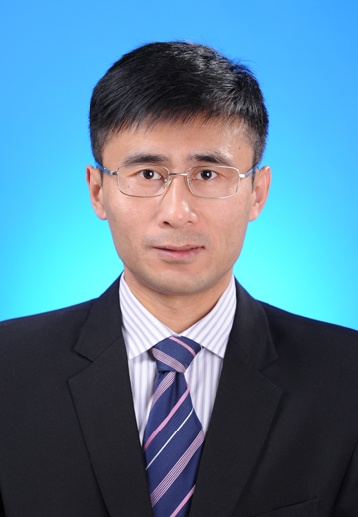 |
Chair: Prof. Jinhai Liu Northeastern University, China
|
Biography
Jinhai Liu
, Professor of Northeastern University and Vice President of the Institute of Intelligent Electrical Science and Technology, is a Leading Talent in Technological Innovation under the "Xingliao Talents Program". He has long been engaged in research on the safe operation of energy pipelines, and the technologies and systems developed by him have been applied in 25 provinces nationwide (including CNOOC, Sinopec, PetroChina, and China National Pipe Network Group) as well as overseas.
His research fields include industrial intelligence, special robots, and electromagnetic non-destructive testing technology. He has won more than 10 scientific and technological awards, including the Second-Class Prize of the National Scientific and Technological Progress Award; published over 100 papers indexed by SCI; and obtained more than 90 invention patents. He serves as a peer reviewer for the National Natural Science Foundation of China (NSFC) and a panel expert for project evaluation at the Ministry of Science and Technology (MOST). He has presided over and completed more than 30 scientific research projects entrusted by the state, provinces/cities, and enterprises, including projects under the National Key R&D Program, Key Program and Major Project of NSFC, General Program and Young Scientists Fund of NSFC, major sub-projects of the 863 Program, and major enterprise-funded projects.
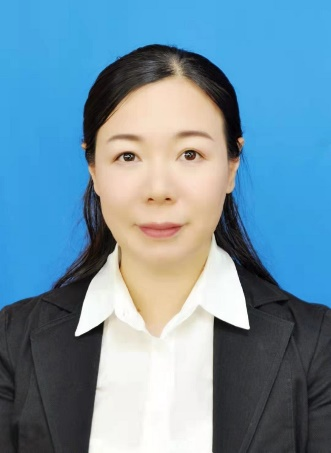 |
Chair: Prof. Yanhong Luo Northeastern University, China
|
Biography
Yanhong Luo
, Ph.D. Supervisor National High-level Young Talent. She is a Director of the IEEE PES (China) Smart Grid and Artificial Intelligence Subcommittee and served as Vice Chair of the IEEE Technical Committee on Adaptive Dynamic Programming and Reinforcement Learning (2015–2016). She has published more than 130 academic papers, including 8 ESI Highly Cited Papers and over 70 papers indexed by SCI. She has obtained more than 20 authorized national invention patents.
Her long-term research focuses on adaptive dynamic programming, distributed optimal control of energy internet, high-penetration integration of distributed energy resources, and aggregation and optimal dispatch of virtual power plants. She has undertaken 5 projects funded by the National Natural Science Foundation of China and the National Key R&D Program, as well as more than 20 horizontal research projects from the Ministry of Education and large power enterprises.
She has received many prestigious awards, including the 2015 IEEE SMC Andrew P. Sage Best Transactions Paper Award, the 2022 Best Paper Award of the Guidance, Navigation and Control International Journal, the 2020 Second-Class National Natural Science Award (Ranked 2nd), the 2017 First-Class Natural Science Award of the Chinese Association of Automation, the 2020 First-Class Science and Technology Progress Award of the Chinese Association of Automation, the 2015 First-Class Natural Science Award of Liaoning Province, and the 2025 Gold Medal at the Geneva International Exhibition of Inventions.
7. State Perception and Intelligent Operations of Complex System
Abstract
As the wave of digital transformation sweeps across the globe, the scale and complexity of enterprise information systems have surged dramatically, posing unprecedented challenges to traditional operation and maintenance (O&M) models. Against this backdrop, complex system state perception and intelligent O&M have emerged as a bridge connecting conventional O&M practices with the future intelligent world. These advanced approaches integrate cutting-edge technologies such as big data, large models, artificial intelligence, machine learning, and visualization, aiming to redefine O&M paradigms and create a more efficient, stable, and secure operational environment. This forum seeks to establish an open and collaborative exchange platform, bringing together experts and scholars from fields like large models, artificial intelligence, graphics and imaging, and machine learning. The focus will be on cutting-edge topics in complex system state perception, including state monitoring, performance evaluation, lifespan prediction, diagnostic decision-making, self-healing recovery, and collaborative optimization. By fostering dialogue and knowledge exchange, we aim to explore new paradigms in complex system state perception and intelligent O&M, providing theoretical foundations and practical pathways to support the innovative development of smart manufacturing.
 |
Chair: Prof. Jing Na Kunming University of Science and Technology, China
|
Biography
Jing Na , Ph.D., the Director of the Institute of Integrated Technology at the Shenzhen Institutes of Advanced Technology (SIAT), Chinese Academy of Sciences, the Director of the Guangdong-Hong Kong-Macao Joint Laboratory of Human-Machine Intelligence Synergy Systems, and the Founder & Current President of the Shenzhen Artificial Intelligence Society. He previously served as a Postdoctoral Research Fellow at the University of Illinois at Chicago, USA, a Senior Research Scientist at BiotechPlex Biotechnology Company, USA, an Assistant Professor at Northwestern University, USA, and a Senior Research Scientist at the Rehabilitation Institute of Chicago, USA. His main research focuses on neural-machine interfaces, intelligent interaction, and intelligent rehabilitation systems. As the Principal Investigator, he has successively been granted over major national-level research projects, including the National Key R&D Program Projects, the National Major Scientific Research Instrument Projects of the National Natural Science Foundation of China (NSFC), the NSFC Regional Joint Fund Projects, the NSFC Integrated Projects, and the Key-Area R&D Program Projects of Guangdong Province. He has published over 380 SCI papers with an H-index of 54, including 3 papers in Nature, as well as papers in Nature Electronics, Science Advances (2 papers), JAMA, and IEEE journals. He was listed in Stanford University's World's Top 2% Scientists Ranking for 2020/2021/2023/2024 and the 2024 "Lifetime Scientific Impact Ranking". He has obtained/filed more than 210 domestic and international invention patents and utility model patents. Currently, he holds the positions of the Vice Director of the Rehabilitation Engineering Branch of the Chinese Society of Biomedical Engineering and the Director of the Rehabilitation Engineering Branch of the Guangdong Society of Biomedical Engineering.
 |
Chair: Prof. Fei Chu China University of Mining and Technology, China
|
Biography
Fei Chu , Professor at China University of Mining and Technology, has been selected as a national-level high-end young talent, a member of Jiangsu Province's "Six Major Talent Peaks," and included in China University of Mining and Technology's "High-end Talent Plan." He is a Senior Member of the IEEE and the Chinese Association of Automation, serving as a committee member for the Process Control and Fault Diagnosis & Safety Committees of the Chinese Association of Automation, a committee member for the Intelligent Simulation, Optimization, and Scheduling Committee of the Chinese Simulation Society, and a director of the Jiangsu Provincial Automation Society. He also holds the position of Deputy Director of the Jiangsu Provincial Process Control Committee. Additionally, He serves as an Associate Editor (AE) for the Journal of The Franklin Institute, an editorial board member for the Journal of Control and Decision. His primary research areas include: AI-driven intelligent modeling and operational optimization control for complex industrial processes; monitoring, risk assessment, and fault diagnosis of complex systems and equipment operation. He has led three National Natural Science Foundation projects and participated in one key National Natural Science Foundation project. He has also managed nearly 20 provincial, ministerial, and corporate technical commissioning projects. Published two academic monographs, authored nearly 100 academic papers in domestic and international journals and conferences in the fields of artificial intelligence and control, and secured 21 authorized invention patents. Awarded over 10 honors, including the First Prize of Science and Technology Progress Award by the Chinese Association of Automation, the Second Prize of Science and Technology (Invention) by the China Nonferrous Metals Industry Association, the Outstanding Young Flotation Engineer at the China Flotation Conference, the First Young Science and Technology Award by the Jiangsu Provincial Automation Society, the CPCC Academician Zhang Zhongjun Outstanding Paper Award, the Best Paper Award at the International Conference on Unmanned Systems, and the First Prize of National Coal Industry Education and Teaching Achievement Awards.
 |
Chair: Prof. JianDe Wu Yunnan University, China
|
Biography
JianDe Wu
, Professor of Yunnan University. He was selected for the National High-level Talent Support Program, Yunling Scholar, Leading Talent in Industrial Technology of Yunnan Province. Professor Wu concurrently serves as the Director of the Engineering Research Center for Intelligent Systems and Advanced Control in Nonferrous Metals Industry of China, and as Vice Chairman of the Automation Academic Committee of the Nonferrous Metals Society of China.
His research interests include industrial process monitoring and intelligent control, industrial big data analysis and modeling, and industrial equipment health assurance. More than 20 projects have been undertaken, including key initiatives funded by the National Natural Science Foundation of China (NSFC) Regional Joint Fund and major scientific and technological projects in Yunnan Province. Over 70 papers have been published in high-impact journals such as IEEE Transactions, and more than 40 patents have been authorized. Achievements have been recognized with several prestigious awards, including the Second Prize of the National Science and Technology Progress Award, the First Prize of the Yunnan Provincial Science and Technology Progress Award, the First Prize of the Yunnan Provincial Natural Science Award, and the First Prize of the Chinese Association of Automation Natural Science Award.
7.1 Intelligent Operation and Maintenance for High-End Equipment
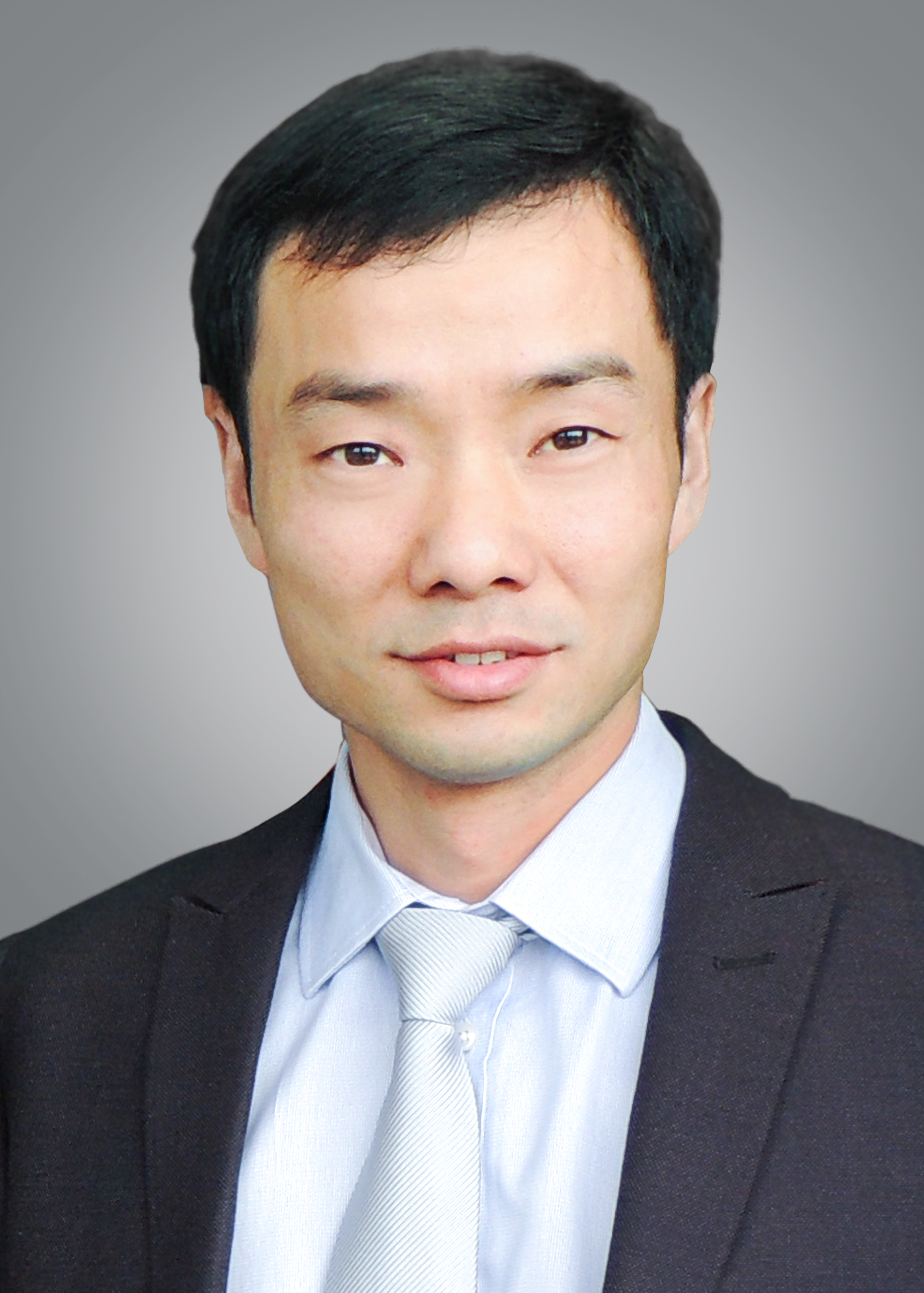 |
Prof. Yaguo Lei Xi’an Jiaotong University, China
|
Abstract
High-end equipment plays an important role in the fields such as aerospace, energy and power, and transportation. Faults are the potential threats to their safe and reliable operation. Intelligent operation and maintenance is a vital means to ensure the safe operation of equipment and high-quality production. The speaker will first introduce the methodologies and technologies established by his research team in the field of intelligent equipment operation and maintenance. Then, the application scenarios and typical cases of the developed intelligent diagnosis and operation and maintenance systems will be shared. Finally, the latest research work on large models for intelligent operation and maintenance will be reported.
Biography
Yaguo Lei is a Full Professor of the School of Mechanical Engineering at Xi'an Jiaotong University. He had held the research position as an Alexander von Humboldt Fellow at the University of Duisburg-Essen, Germany, and as a Postdoctoral Research Fellow at the University of Alberta, Canada. He is a Fellow of ASME, IET, and ISEAM, as well as a Senior Member of IEEE, CAA, ORSC, and CMES. He serves as a Senior Editor for Mechanical Systems and Signal Processing and an Associate Editor for IEEE Transactions on Industrial Electronics. Additionally, he is an editorial board member of over ten leading journals. His research interests focus on big data-driven intelligent maintenance, intelligent fault diagnostics and prognostics, reliability evaluation and remaining useful life prediction. He has published four monographs and more than 100 peer-reviewed papers. His work has been cited over 32,000 times, with an H-index of 75 according to Google Scholar. His most-cited paper has received over 2,200 citations. His proposed methodologies and techniques have been widely applied in intelligent condition monitoring and diagnostic systems for renewable energy systems and other industrial domains, such as wind turbines, new-energy vehicles, and high-speed trains, etc. Prof. Lei has received the Xplorer Prize from the New Cornerstone Science Foundation. He has been recognized as a Global Highly Cited Researcher by Clarivate Analytics and a Chinese Most Cited Researcher by Elsevier. He is also listed in the Stanford/Elsevier Global Top 2% Scientists and holds the distinction of being ranked 1st in the field of Acoustics.
7.2 Physical Safety Enhancement Technologies for Embodied Intelligent Systems
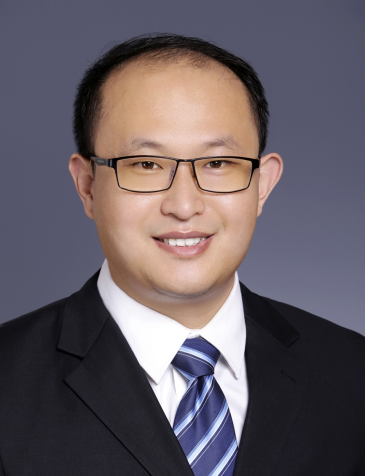 |
Prof. Xiao He Tsinghua University, China
|
Abstract
Embodied intelligent systems are typical complex dynamic systems characterized by multi-subsystem coupling, multi perception–decision closed loops, strong nonlinearity and uncertainty, and interaction with open environments. To address these challenges, a real-time safety enhancement technology framework for embodied intelligent systems has been developed, covering key components including dynamic system state estimation, fault diagnosis, fault-tolerant control, and safety assessment. A novel networked strong-tracking nonlinear state estimation method is proposed; an active diagnosis theory based on auxiliary signal excitation is developed; the influence mechanisms of faults, component performance, and system structure on consensus and safety margins are revealed; and from the perspectives of efficient utilization of data value and online updating of evaluation models, a new real-time safety assessment method for dynamic systems is proposed. These results significantly enhance the operational safety of embodied intelligent systems.
Biography
Xiao He is a tenured professor at the Department of Automation, Tsinghua University. He serves as the Vice Director of the Institute for Embodied Intelligence and Robotics, Tsinghua University, and the Director of the Institute of Control and Decision in the Department of Automation, Tsinghua University. His research interests include state estimation, fault diagnosis, fault-tolerant control, and real-time safety assessment of dynamic systems. He has published over 300 papers in domestic and international journals and conferences. He has led National Natural Science Foundation projects including Young Scientist Fund A, Young Scientist Fund B, and Key Project. In 2021, he received the Young Scientist Award from the Chinese Association for Automation. He is currently the deputy secretary-general of Chinese Association of Automation (CAA), deputy director and secretary-general of the fault diagnosis committee of the CAA, deputy director of the process control committee of the CAA, deputy director of the intelligent control and systems committee of the Chinese Institute of Command and Control. He serves as an editorial board member for several international journals, including IEEE TNNLS, IEEE TASE and Control Engineering Practice. He has received the First Prize of the Jilin Province Science and Technology Progress Award in 2018, the First Prize of the CAA Natural Science Award in 2015 and 2020, the First Prize of the CAA Technical Invention Award in 2022, and the Second Prize of the Beijing Natural Science Award in 2023. Four doctoral students he has supervised (including co-supervised) have won the Outstanding Doctoral Dissertation Award of the CAA in 2018, 2021, 2022, and 2024.
7.3 Dynamic calibration of stochastic degradation model for prognosis
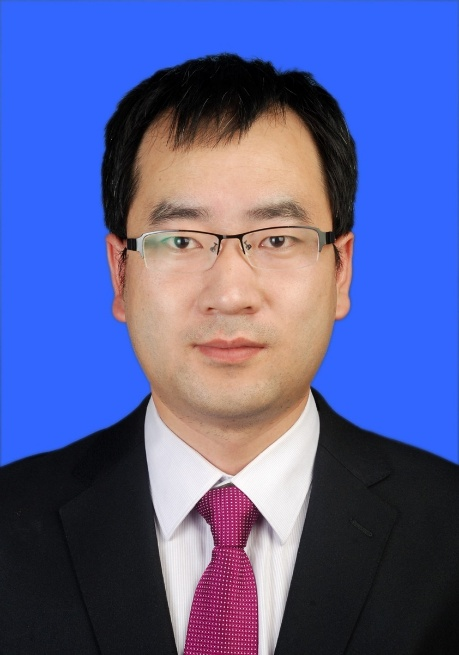 |
Prof. Xiaosheng Si Rocket Force University of Engineering, China
|
Abstract
Remaining useful life (RUL) prediction, known as prognosis, is a key technology for achieving health management of randomly degraded equipment. The statistical data-driven approach is a typical method in the field of the RUL prediction, but existing statistical data-driven methods generally adopt a strategy of determining the degradation model form based on historical degradation monitoring data of similar devices and updating model parameters using online monitoring data. Such strategy ignores the problem of mismatch between the model function form and data caused by individual differences and time-varying operating environments, which in turn affects the prognosis accuracy. This report will introduce a new method for predicting the RUL under dynamic calibration of a stochastic degradation model, which achieves simultaneous dynamic calibration of the function form and parameters of the degradation model, helping to improve the accuracy and robustness of prognosis.
Biography
Xiaosheng Si
received the B.Eng., M.Eng., and Ph.D. degrees in control science and engineering from the Department of Automation, PLA Rocket Force University of Engineering, Xi’an, China, in 2006, 2009, and 2014, respectively.
He is currently a Professor with the PLA Rocket Force University of Engineering. He has authored or coauthored more than 50 articles in several journals, including European Journal of Operational Research, IEEE Transactions on Industrial Electronics, IEEE Transactions on Reliability, IEEE Transactions on Fuzzy Systems, IEEE Transactions on Systems, Man, and Cybernetics—Part A, IEEE Transactions on Automation Science and Engineering Reliability Engineering and System Safety, and Mechanical Systems and Signal Processing. His research interests include evidence theory, expert systems, prognostics and health management, reliability estimation, predictive maintenance, and lifetime estimation. Dr. Si is an Editorial Member of Mechanical Systems and Signal Processing, and ASME/IEEE T Mech. He is an active reviewer of a number of international journals.
7.4 Scalable control technology for large-scale networked systems
 |
Prof. Chen Peng Shanghai University, China
|
Abstract
Large-scale networked systems (LSNSs) constitute a class of complex interconnected systems that encompass critical infrastructures such as the industrial internet and smart grids. Their applications penetrate deeply into key sectors of the national economy, including industrial production and energy supply. In complex dynamic environments, the development of scalable control theories and methods that meet requirements such as "plug-and-play" holds significant theoretical and practical importance. This report first analyzes the structural characteristics of LSNSs and the primary challenges associated with achieving "plug-and-play" scalable control. It then systematically reviews research approaches based on methods such as Cholesky decomposition, spectral graph decomposition, linearly independent Laplace transforms, small-gain theory, and robust invariant sets, discussing their respective strengths and limitations in application. Finally, the report identifies several promising research directions worthy of further exploration in this field.
Biography
Chen Peng
received the Ph.D. degree in control theory and control engineering from the Chinese University of Mining Technology, Xuzhou, China, in 2002, respectively. From November 2004 to January 2005, he was a research Associate with the University of Hong Kong, Hong Kong. From July 2006 to August 2007, he was a Visiting Scholar with the Queensland University of Technology, Brisbane, QLD, Australia. From July 2011 to August 2012, he was a Postdoctoral Research Fellow with Central Queensland University, Rockhampton, QLD, Australia. In 2012, he was appointed as an Eastern Scholar with the Municipal Commission f Education, Shanghai, China, and joined Shanghai University, Shanghai. His current research interests include networked control systems, distributed control systems, smart rid, and intelligent control systems.
Dr. Peng Chen is a Senior Member of IEEE, the former Chair of the IEEE IES Technical Committee on Networked Control Systems and Applications, and the current Chair of the IEEE PES Technical Committee on Smart IoT and Control (China). He currently serves as an Associate Editor for multiple international journals, including IEEE Transactions on Industrial Informatics, Information Sciences, and Transactions of the Institute of Measurement and Control. From 2020 to 2024, he was consecutively recognized as a "Highly Cited Researcher" by Clarivate. He has published four Springer monographs, authored over a hundred papers in IEEE Transactions, and has a Google Scholar h-index of 77.
7.5 Key Technologies and Applications of Intelligent Control for Complex Tin Chemical Processes
|
Prof. Jiande Wu Yunnan University, China
|
Abstract
The resource-based chemical industry represented by tin chemical production is a key pillar of Yunnan Province’s economy, where process control plays a crucial role in production efficiency, product quality, energy utilization, and operational safety. Considering the complex characteristics of tin chemical processes, including multi-batch operation, strong coupling, multi-source disturbances, and significant dynamic fluctuations, this study develops an intelligent monitoring and optimal control framework for the methyltin reaction process. A mechanism–data fusion driven multi-stage process model is established to capture the dynamic relationships among key process parameters. An online monitoring and performance evaluation method is proposed to identify deviations and trend variations of critical variables, while a feature-correlation-based diagnosis approach is developed to trace root causes of process fluctuations under multi-source disturbances and cross-unit propagation. In addition, a multi-objective optimization control strategy is designed for batch-wide coordination to achieve intelligent regulation of key operating variables and improved operational performance.
Based on the above key technologies, the first intelligent control system for methyltin chemical reactions in China has been developed and deployed on eleven production lines at the methyltin workshop of Yunnan Tin Group. Industrial operation results show that production efficiency per line increases by 37.5%, the production cycle is shortened by 21%, energy consumption is reduced by over 20%, labor productivity increases by 18.2%, and the unit processing cost decreases by 16.2% year-on-year, while process stability and product quality consistency are significantly improved. To date, the system has generated cumulative economic benefits exceeding 2 billion RMB and profits of over 100 million RMB. The results provide a scalable intelligent monitoring and optimal control paradigm for complex tin chemical processes, supporting the high-quality and green development of the tin chemical industry.
Biography
Jiande Wu
received the B.S. and M.S. degrees in Automation and Mechatronic Engineering from Northwestern Polytechnical University, Xi’an, China, in 2001 and 2004, respectively, and the Ph.D. degree in Automation from Zhejiang University, Hangzhou, China, in 2007. He is currently a Professor at Yunnan University and has been recognized as a National High-Level Leading Talent and a Yunling Scholar. He also serves as the Director of the Engineering Technology Research Center for Intelligent Systems and Advanced Control of the Nonferrous Metals Industry of China.
His research interests focus on fault detection and intelligent control of complex industrial processes, as well as industrial big data analysis and modeling. He has presided over more than 20 research projects, including key projects of the National Natural Science Foundation of China (Regional Joint Fund) and major science and technology projects of Yunnan Province. He has published over 70 papers in prestigious journals such as IEEE Transactions and holds more than 40 authorized patents. His research achievements have received several major awards, including the Second Prize of the National Science and Technology Progress Award, the First Prize of the Yunnan Provincial Science and Technology Progress Award, the First Prize of the Yunnan Provincial Natural Science Award, and the First Prize of the Natural Science Award of the Chinese Association of Automation.
7.6 Industrial Intelligence-Driven Integrated Intelligent Optimization and Control for the Safe Operation of Mineral Processing and Metallurgical Processes
|
Prof. Fei Chu China University of Mining and Technology, China
|
Abstract
The recommendations for China’s 15th Five-Year Plan emphasize the need to upgrade key industries, consolidate and enhance the position and competitiveness of sectors such as mining and metallurgy in the global industrial division of labor, and fully implement the “AI+” initiative to drive transformation in scientific research paradigms through artificial intelligence. Although China’s mineral processing and metallurgical technologies are on par with those of leading countries, there remains considerable room for improvement in the development and application of automation and intelligent control technologies for these processes. In the current context of intelligent manufacturing and artificial intelligence, advancing innovation in industrial intelligence-driven integrated intelligent optimization and control technologies for the safe and efficient operation of mineral processing and metallurgical processes is of great practical significance for improving the automation and intelligence of process operation and control, ensuring production safety, and enhancing the overall economic performance of mining enterprises. It can also lay the theoretical and technical foundation for the practical deployment of large-model technologies in the intelligent operation and management of mineral processing and metallurgical processes. This report presents our team’s recent explorations and progress in industrial intelligence-driven integrated optimization and control technologies for the safe operation of mineral processing and metallurgical processes, together with several practical application results of related intelligent technologies.
Biography
Fei Chun is a Professor at China University of Mining and Technology. He is a recipient of the National High-Level Young Talent Program, the Jiangsu “Six Talent Peaks” Program, the High-End Talent Program of China University of Mining and Technology, and the China University of Mining and Technology Youth May Fourth Medal. He is a Senior Member of the Chinese Association of Automation and an IEEE Senior Member. He also serves as a member of the Technical Committee on Process Control and the Technical Committee on Fault Diagnosis and Safety of the Chinese Association of Automation, a member of the Technical Committee on Intelligent Simulation Optimization and Scheduling of the China Simulation Federation, a council member of the Jiangsu Association of Automation, and Deputy Director of the Jiangsu Technical Committee on Process Control. In addition, he serves as an Associate Editor of the Journal of Control and Decision and Journal of the Franklin Institute, a member of the Editorial Board of Control and Decision, and a member of the Young Editorial Board of the Journal of China University of Mining and Technology. His main research interests include artificial intelligence-driven intelligent modeling and optimal operational control of complex industrial processes; operating condition monitoring, risk assessment, and fault diagnosis of complex systems and equipment; and broad learning, deep learning, and transfer learning. He has led more than 20 national-, provincial-, ministerial-, and industry-funded projects, published over 100 academic papers in leading journals in artificial intelligence and control, been granted more than 20 invention patents, and developed and deployed more than 10 industrial software systems. His research achievements have received more than 10 awards, including the First Prize of the Science and Technology Progress Award of the Chinese Association of Automation, the First Prize of the Science and Technology Progress Award of the China General Chamber of Commerce, the Second Prize of the Science and Technology Award (Technical Invention) of the China Nonferrous Metals Industry, the 2025 Outstanding Young Flotation Engineer Award at the China Flotation Conference, the First Young Scientist Award of the Jiangsu Association of Automation, the CPCC Zhang Zhongjun Academician Outstanding Paper Award, the Best Paper Award at the International Unmanned Systems Conference, and the First Prize of the National Coal Industry Teaching Achievement Award.
8. AI-Empowered Engineering Education
Abstract
With the rapid advancement of artificial intelligence technology, engineering education is facing unprecedented opportunities and challenges. This forum, themed "AI-Empowered Engineering Education," brings together experts and scholars from the educational and industrial sectors to explore how AI can reshape the model of engineering talent cultivation. The forum will focus on topics such as AI-driven curriculum reform, the construction of intelligent teaching platforms, the supervision and evaluation of teaching quality, and new pathways for the integration of industry and education. The aim is to propel engineering education to keep pace with the times, cultivate versatile engineering talents with innovative capabilities and practical skills, and inject new momentum into industrial development.
 |
Chair: Prof. Qiuye Sun Shenyang University of Technology, China
|
Biography
Qiuye Sun currently holds the position of Vice President at Shenyang University of Technology and serves as a Doctoral Supervisor. He is a recipient of the Special Government Allowances granted by the State Council of China and has been recognized with numerous prestigious titles and honors, including National High-Level Leading Talent, the Ministry of Education's Master Teacher in Ideological and Political Education, New Century Excellent Talent, and Scientific and Technological Innovation Leader under the 'Xingliao Talent Plan.' As a primary contributor, He has been the recipient of more than ten significant awards, including the National Natural Science Second Prize, the National Scientific and Technological Progress Second Prize, and the Liaoning Provincial Technological Invention First Prize.In addition to his academic roles, he serves as the Secretary-General of the Energy Internet Specialized Committee of the Automation Society and holds positions as an Editorial Board Member for several journals, including IEEE TNNLS, IET CPS: T&A, Acta Automatica Sinica, Proceedings of the CSEE, Control and Decision, among others.
9. Perception and Control of Embodied Intelligent Robots
Abstract
Embodied intelligence (EI) represents an advanced form of artificial intelligence (AI) and a concrete manifestation of bio-inspired intelligence. As such, it has been established as an independent academic discipline in leading domestic universities. Bionic robots serve as one of its key practical implementations. With continuous breakthroughs in control theory, robotics, and EI technologies, embodied intelligent robots have become a key intersection of artificial intelligence and robotics research, and are positioned to serve as the ultimate platform for AI applications. Research in such a field center on three core components: perceptual systems, motor control, and cognitive decision-making. Embodied intelligent robots address forward-looking technological needs across four key dimensions and demonstrate significant potential for application in smart manufacturing, medical rehabilitation, assistive care for the elderly and disabled, security, and defense, among other sectors. The pursuit of high-level technological self-reliance has further created new imperatives for advancing the theoretical foundations and technological innovation of embodied intelligent robots. This forum is designed to provide an academic platform for experts, scholars, and professionals in robotics, control systems, computer science, artificial intelligence, instrumentation, mechanical engineering, and related fields to exchange ideas and share the latest technological developments. Its aim is to accelerate the innovative development and practical deployment of intelligent robots across a wide range of scenarios.
This forum brings together leading domestic experts and scholars to share the latest breakthroughs in cutting-edge research and technologies on embodied intelligent robots. It seeks to foster in-depth discussions on academic trends, broaden research perspectives, advance the integration of robotics and embodied intelligence, and accelerate the application of educational achievements in robot control and decision-making.
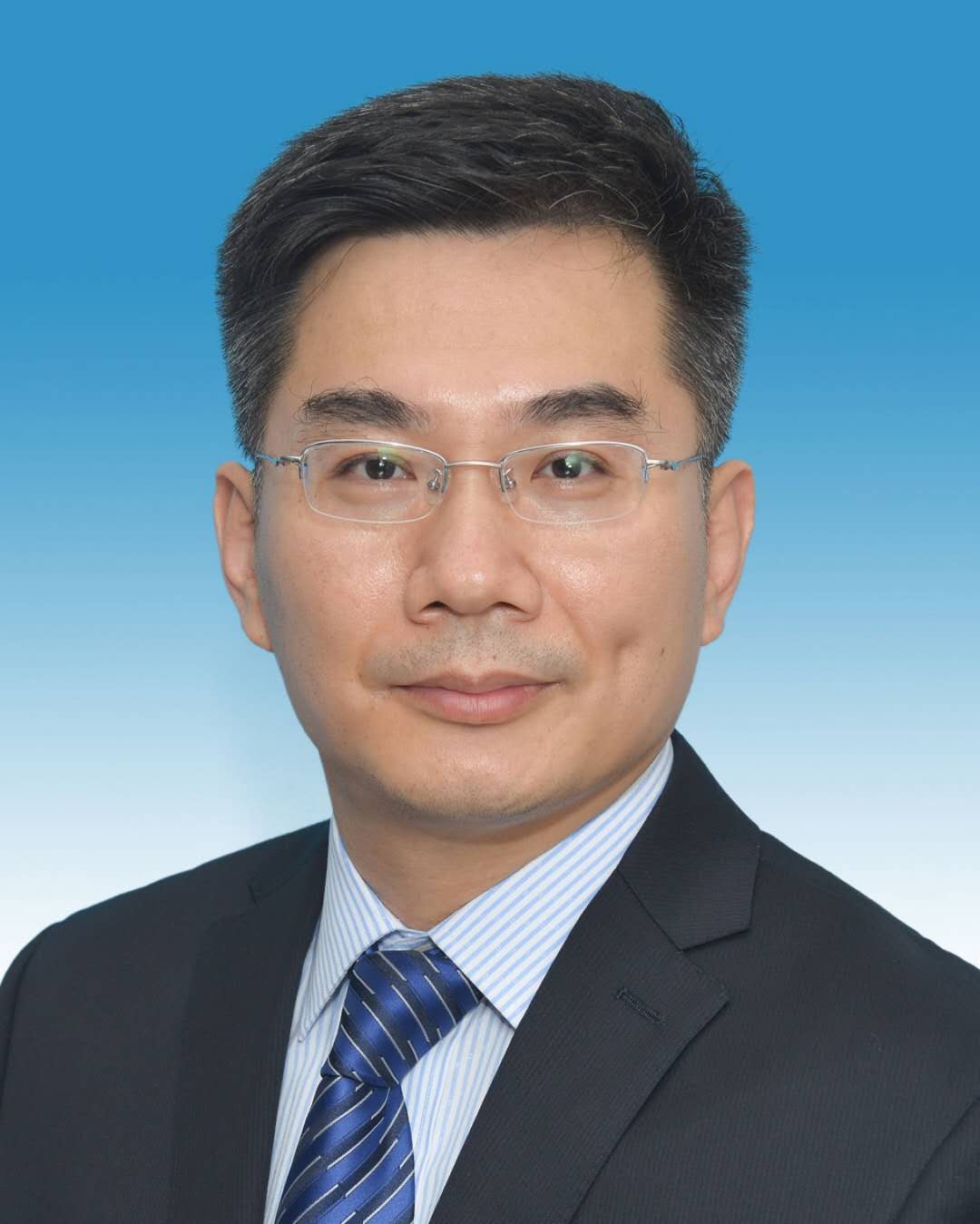 |
Chair: Prof. Binrui Wang China Jiliang University, China
|
Biography
Binrui Wang , Doctor, professor, and doctoral supervisor, the vice-president of China Jiliang University, the discipline leader of the Provincial First-Class Discipline in Control Science and Engineering, a recipient of the Zhejiang Province New Century Excellent Talent Award, a state-sponsored overseas returnee, and the principal investigator of a National Key R&D Program of China. His main research areas include bionic robotics, intelligent perception & metrology, and related areas. He has published over 200 high-level academic papers, authored 3 monographies and 2 textbooks, held over 50 authorized invention patents as the first inventor, and developed 7 national standards. He has received the second prize from the Chinese Society of Automation and the second prize from the China Instrument and Control Society. He serves as the vice chairman of the Robotics Professional Committee of the China Association for Standardization, a member of the National Standards Committee Technical Committees TC591 and TC307, the vice secretary-general of the National Civil Aviation Metrology Technical Committee, and member of the Space Metrology Technical Committee.
10. High-Level Forum on Dynamic Risk Intelligent Management and Control in the Process Industry
Abstract
The process industry is a pillar and foundation of the national economy and a crucial support for my country's sustained economic growth. Its risk early warning and intelligent management and control are of great significance for my country's promotion of new industrialization and the implementation of the manufacturing power strategy. This forum focuses on multi-safety risk management and control, perception modeling, early warning decision-making, development of safety management rule sets and toolsets, and the development of industrial software support platforms in the process industry. It will bring together domestic and international experts to discuss the theories, methods, and key technologies of dynamic risk intelligent management and control in the process industry.
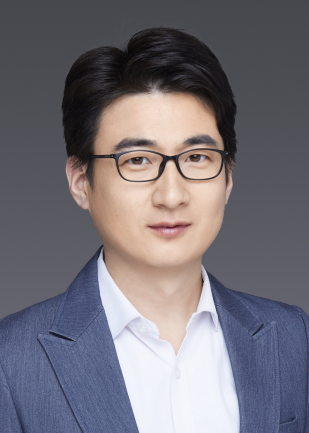 |
Chair: Prof. Youqing Wang Beijing University of Chemical Technology, China
|
Biography
Professor Youqing Wang is a professor at Beijing University of Chemical Technology, Dean of the School of Information Science and Technology, a National Distinguished Scientist, and an IET Fellow. He has published over 100 journal articles, led over 20 projects, and serves on the editorial boards of several international journals. He is the first scholar from mainland China to receive both the Best Paper Award from the *Journal of Process Control* and the ADCHEM Young Author Award. He has also received the First Prize of the Natural Science Award from the Chinese Association of Automation, the Second Prize of the Natural Science Award from the Ministry of Education, the Second Prize of the Beijing Natural Science Award, the Second Prize of the Shandong Provincial Natural Science Award, and the Fok Ying Tung Young Teacher Award.
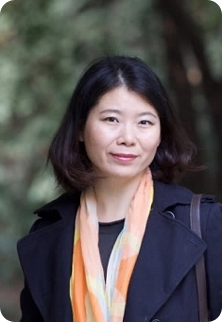 |
Chair: Prof. Ningyun Lu Nanjing University of Aeronautics and Astronautics, China
|
Biography
Ningyun Lu is a professor at Nanjing University of Aeronautics and Astronautics, vice dean of the School of Automation, and a recipient of the Jiangsu Provincial High-Level Talent Training Program (“333 Project”). He has presided over more than 30 important projects/topics, including the National Natural Science Foundation of China and the National Key Research and Development Program. He has published 4 monographs and more than 160 papers, and has been granted more than 30 invention patents. He has won numerous awards, including the second prize of Jiangsu Provincial Teaching Achievement Award and the first prize of Jiangsu Provincial Science and Technology Award.
11. Theory and Application of Intelligent Navigation and Flight Control
Abstract
With the continuous evolution of artificial intelligence technologies, the field of aircraft autonomous navigation and control has entered a new stage of development, garnering significant attention from both academia and industry. Simultaneously, the widespread deployment of modern aerospace technologies and UAV systems urgently demands more advanced autonomous navigation and control solutions. This imposes unprecedented and stringent requirements on theoretical reconstruction and technological innovation. Addressing how to leverage intelligent autonomous flight navigation and control technologies to significantly enhance the intelligence of aircraft, expand their application scopes and operational modes, and bolster aerospace technological progress and national aerospace security capabilities represents a key challenge with immense strategic potential that must be tackled. The Special Forum on "Intelligent Navigation and Flight Control Theory and Applications" aims to establish an open and interactive platform for academic exchange and intellectual engagement for experts and scholars in the fields of aerospace and intelligent control. Its ultimate goal is to accelerate the innovative development and practical implementation of intelligent technologies.
This forum brings together top-tier domestic experts and scholars to share frontier research findings and the latest technological breakthroughs. Participants will engage in in-depth discussions on prospective academic trends, with the aim of effectively broadening research perspectives and actively promoting the industrial application and transformation of advanced navigation and control achievements.
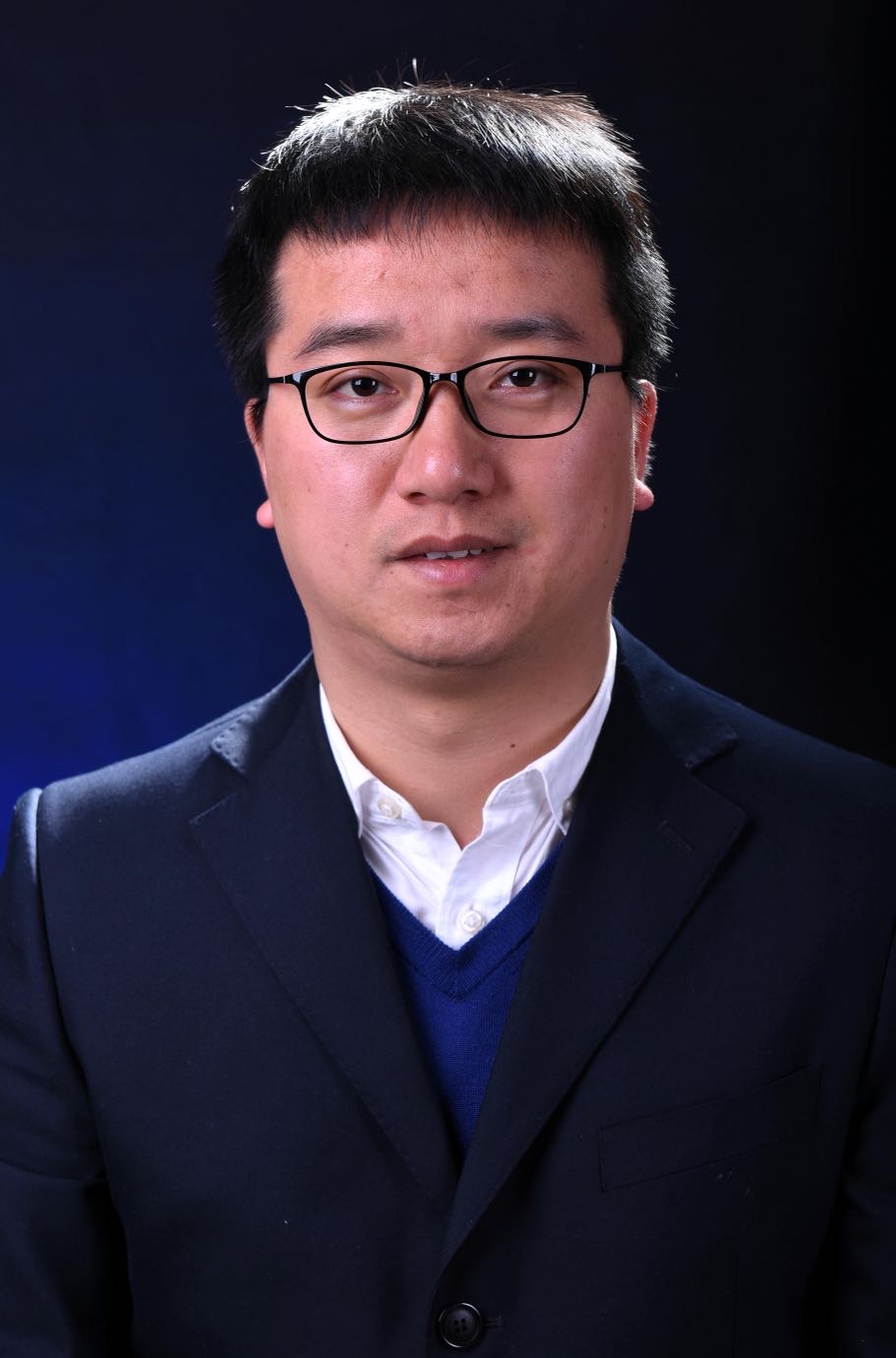 |
Chair: Prof. Bin Xu Northwestern Polytechnical University, China
|
Biography
Professor Bin Xu
, Vice Dean of the School of Automation at Northwestern Polytechnical University, holds leadership roles including Chair of the Cognitive Computing and Systems Committee of the Chinese Association of Automation, Director of the Shaanxi Provincial General Aviation Systems Engineering Research Center, and Head of the Shaanxi Sanqin Team. His honors include the National Science Fund for Distinguished Young Scholars, Young Scientist Award from the Chinese Society of Aeronautics and Astronautics, and Shaanxi Youth Science and Technology Award. As primary contributor, he has received four major awards including the First Prize of Chinese Association of Automation and Second Prize of Shaanxi Provincial Science and Technology Award.
Research expertise spans navigation, guidance, and control, with leadership of over 30 projects including Key Program of National Natural Science Foundation of China and Civil Aircraft Special Project under the Ministry of Industry and Information Technology. The achievements have been applied to over 10 industrial units, including Aviation Industry Corporation of China and China Aerospace Science and Industry Corporation, and ground testing and flight verification have been conducted.
Editorial roles include Editor-in-Chief of SCI-indexed International Journal of Micro Air Vehicles, and editorial board positions for IEEE Transactions on Systems, Man, and Cybernetics: Systems, Journal of Intelligent & Robotic Systems, and Acta Automatica Sinica, plus Youth Editorial Board membership for Science China: Information Sciences. Recognized as Clarivate Highly Cited Researcher and Elsevier China Highly Cited Scholar. Service includes Chair of Organizing Committee for 2024 Conference on Control and Decision and General Chair for 2024-2025 Conference on Cognitive Computing and Systems.
12. Medical Intelligent Decision Making
Abstract
The wave of digital intelligence is systematically reconstructing the development paradigm of various industries. As a core field related to the national economy and human livelihood, medical healthcare is undergoing profound changes brought about by subversive technologies represented by artificial intelligence, big data, and cloud computing. The continuous accumulation of massive multimodal data, coupled with breakthroughs in both computing power and algorithms, is paving new pathways to overcome traditional challenges in healthcare, such as experience reliance, resource disparities, and inefficiency. By empowering clinical insight and medical decision-making, digital intelligence has become a crucial engine for advancing the quality and efficiency of healthcare services. This sub-forum aims to build an open and shared communication platform. It brings together experts and scholars across medicine, decision science, computer science, and data science, focusing on frontier issues in medical decision support, such as medical image analysis, clinical assistant diagnosis, smart hospital management, and medical resource allocation. Through in-depth dialogue and ideological collision, it is expected to explore a new paradigm for medical intelligent decision-making, characterized by greater accuracy, efficiency, and reliability, thereby providing intellectual support and methodological enlightenment for the innovative development of medical healthcare.
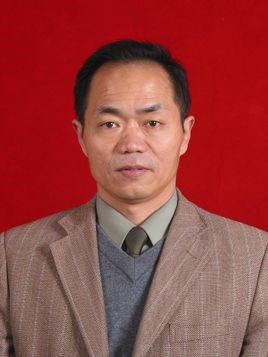 |
Chair: Prof. Zeshui Xu Sichuan University, China
|
Biography
Zeshui Xu received the Ph.D. degree in management science and engineering from Southeast University, Nanjing, China, in 2003. From October 2005 to December 2007, he was a Postdoctoral Researcher with School of Economics and Management, Tsinghua University, China. He was a Distinguished Young Scholar of the National Natural Science Foundation of China and the Chang Jiang Scholar of the Ministry of Education of China. He is currently a Chair Professor with Sichuan University, Chengdu. He has been elected as the member of AE, EASA, and IASCYS, the Distinguished Fellow of IETI, the Fellow of IEEE, IFSA, RSA, IET, ORS, BCS, IAAM, AAIA, AIIA, ACIS and VEBLEO. He is ranked 6th in Artificial Intelligence & Image Processing and 127th in career scientific impact among World’s top 100,000 Scientists in 2025 (released by Elsevier). He was awarded the 9th IETI Annual Scientific Award in 2024, published 23 monographs by Springer and contributed more than 1000 SCI/SSCI articles to professional journals. He is among the world’s top 1% most highly cited researchers with more than 110,000 citations, and his h-index is 162. He is currently the Associate Editor of IEEE Transactions on Cybernetics, IEEE Transactions on Fuzzy Systems, Information Sciences, Artificial Intelligence Review, Journal of the Operational Research, Fuzzy Optimization and Decision Making, etc. His current research interests include intelligent decision-making theory and methodology, optimization algorithms, information fusion, and big data analytics.
13. Cooperative Control and Nonlinear Control of Complex Network Systems
Abstract
With the development of science and technology, control of network systems composed of multiple autonomous agents has become a new research hotspot. In the research of networked system cooperative control, the complexity of the agent systems themselves, such as nonlinear unmodeled dynamics, external disturbances, and other uncertainties, as well as the complexity of network communication, such as attacks, information loss, and the ever-changing communication topology, present new challenges to existing control methods in terms of handling uncertainties, convergence speed, and control accuracy. This forum focuses on the high-performance control problems of complex network systems, exchanging new ideas, methods, and results in the broad field of nonlinear control, and fostering the development of new high-performance control theories and technologies.
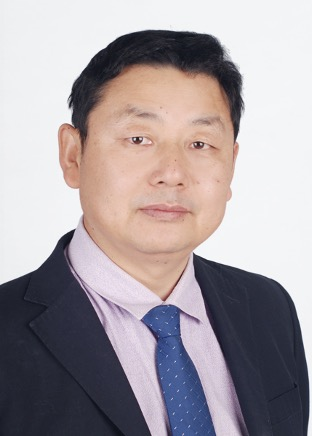 |
Chair: Prof. Zhiliang Zhao North University of China , China
|
Biography
Zhiliang Zhao , Professor, PhD Supervisor, and Dean of the School of Electrical and Control Engineering at North University of China. He is also the Deputy Director of the High-Speed Flying Car Shanxi Provincial Laboratory. He holds several concurrent positions, including member of the Control Theory Professional Committee of the Chinese Association of Automation, Deputy Secretary-General of the ADRC Tecnical Committee of the Chinese Society of Command and Control, and editorial board member of journals such as Journal of Decision and Control and Systems Science and Mathematics. His primary research areas include nonlinear systems and control, ADRC, and finite-time control. He has published over 80 papers, and authored two monographs published by Wiley & Sons and Science Press. He has been the principal investigator for several projects, including those funded by the National Natural Science Foundation of China, the Key Project of the Natural Science Foundation of Shaanxi Province. He has received multiple prestigious awards, including the Second Prize in Natural Science from the Ministry of Education, the Second Prize in Natural Science from the Chinese Association of Automation, the Second Prize in Outstanding Natural Science Academic Papers from Shaanxi Province, and the First Prize in Scientific and Technological Achievements from Shaanxi Universities.


