
Thematic Workshops
1 Intelligent Perception, Control and Decision of Unmanned Systems
Abstract
Unmanned systems are becoming core carriers and technical supports in modern aerospace, marine engineering, intelligent transportation, and national defense security. This special report panel focuses on the key scientific issues and engineering applications of intelligent perception, control and decision-making in unmanned systems. It systematically reviews the recent advances in environmental perception, state estimation, motion control, autonomous decision-making, and human-machine collaboration under complex and unstructured working conditions. Aiming at the challenges of strong uncertainty, multi-source disturbance, limited computing resources and real-time requirements, the panel discusses novel theories, technical approaches and typical applications in integrated perception-control-decision frameworks, intelligent optimization algorithms, multi-unmanned system coordination and edge-end collaborative intelligence. Meanwhile, the development trends, technical bottlenecks and future research directions in this field are prospected. This report is expected to provide theoretical references and technical guidance for the innovation and engineering application of unmanned systems in both academic research and industrial practice.
 |
Chair: Prof. Li-Ying Hao Dalian Maritime University,China
|
Biography
Li-Ying Hao received the Ph.D. degrees in control science and engineering from the Northeastern University, Shenyang, China, in 2013. From 2013 to 2016, she was with the College of Information Engineering, Dalian Ocean University, Dalian, China. From 2015, she was a Visiting Scholar with the Department of Electrical Engineering, Yeungnam University, Kyongsan, South Korea. In 2017, she joined with Dalian Maritime University, Dalian, China, and she is currently Associate Dean of the School of Marine Electrical Engineering, Dalian Maritime University. From 2019 to 2020, she was a Visiting Scholar with the Department of Mechanical Engineering, University of Victoria, British Columbia, Canada. Her research interests include robust fault-tolerant control, model predictive control, sliding mode control, and deep learning with an emphasis on applications in marine vehicles.
Dr. Hao was a recipient of National High-Level Young Talent in 2025 and was an Honoree of Outstanding Young Talents of Dalian in 2022. She was also a recipient of the Second Prize of the Science and Technology Progress Award of Chinese Society of Naval Architects and Marine Engineers in 2021, Second Prize of Liaoning Provincial Natural Science Academic Achievements Award in 2023, and the second prize of the Natural Science Award of Chinese Association of Automation in 2025. She serves as project principal for more than 10 national and provincial projects. She has published more than 150 fully-referred journal articles and fully-referred conference papers including Automatica and the most prestigious IEEE Transactions.
1.1 Control and Decision-Making under Privacy Protection
Abstract
With the advancement of technologies such as artificial intelligence and the Internet of Things, the need for data privacy protection is widespread in control and decision-making processes across both national defense and civilian domains, including weapon guidance, attack-defense games, intelligent transportation, and brain-computer interfaces. Information leakage and theft within control systems often lead to severe consequences, even affecting national security. This report focuses on control and decision-making under privacy protection. It introduces data privacy protection and privacy-preserving methods, as well as preliminary research progress by our team in dynamic asymptotic stabilization based on homomorphic encryption and distributed decision-making based on differential privacy.
 |
Prof. Qian Ma Nanjing University of Science and Technology, China
|
Biography
Qian Ma received her Ph.D. degree in Control Science and Engineering from Nanjing University of Science and Technology in 2013. She has been selected for the Chang Jiang Scholars Program -Young Scholar and Distinguished Professor by the Ministry of Education in 2019 and 2023 and has led key research projects such as the National Natural Science Foundation of China Key Program and the Jiangsu Provincial Outstanding Youth Fund. Her research focuses on control and decision-making for autonomous unmanned systems, privacy protection and data security. She has received awards including the Second Prize of the National Natural Science Award (3/5), the First Prize of the Natural Science Award of the Ministry of Education (4/5), the First Prize of the Jiangsu Provincial Natural Science Award (4/5), the First Prize of the Natural Science Award from the Chinese Association of Automation (1/5), and the Youth Scientist Award from the Chinese Association of Automation. She serves as an editorial board member for the international journals IEEE Transactions on Fuzzy Systems and IEEE Transactions on Systems, Man, and Cybernetics: Systems.
1.2 Cross-Layer Control for Networked Switched Systems Under DoS Attacks
Abstract
With the growing integration of communication networks, the secure control of networked switched systems under DoS attacks has become highly significant. To implement proactive defense against DoS attacks, cross-layer secure control coordinates the network layer and the physical layer to dynamically adapt to network variations and guarantee stable system operation under adverse network conditions. Nevertheless, most existing cross-layer secure control methods rely on a unidirectional coupling between the network and physical layers, where network resource allocation often neglects the characteristics of the physical system. To tackle this problem, this report puts forward a novel cross-layer secure control approach featuring bidirectional information interaction based on subsystem switching characteristics. Specifically, a dynamic adjustment factor related to subsystem switching characteristics is integrated into the network attack–defense game model, and an adaptive mapping between subsystem importance and defense resource allocation is established, thus enhancing data transmission security during critical switching stages. Under the aforementioned network conditions, the switching law and controller are jointly designed by leveraging Stackelberg-Nash game theory and the multi-objective artificial bee colony algorithm. Finally, we look into the opportunities and challenges in this area and offer perspectives on the future development of cross-layer secure control strategy.
 |
Prof. Jie Lian Dalian University of Technology, China
|
Biography
Jie Lian received the B.Sc. degree in automation and the M.S. and Ph.D. degrees in control theory and control engineering from Northeastern University, Shenyang, China, in 2003, 2006, and 2008, respectively. She is currently a Professor with the School of Control Science and Engineering, Dalian University of Technology, Dalian, China. She is a Young Changjiang Scholar of the Ministry of Education of China and IEEE Senior Member. Her research focuses on the analysis and design of switched systems, networked systems, and stochastic Markov jump systems. She has published over 100 academic papers, including more than 60 SCI-indexed journal articles, with 11 papers in top control journals such as Automatica and IEEE Transactions on Automatic Control. She holds over 10 authorized invention patents. She has led 5 projects funded by the National Natural Science Foundation of China, as well as several projects including the Applied Basic Research Project of Liaoning Province and a sub-project of the National Key Research and Development Program. She has been honored with the Second Prize in Natural Science of Liaoning Province and the Second Prize in Natural Science at the 7th Wu Wenjun Artificial Intelligence Science and Technology Award.
1.3 Dual Detection Framework for Faults and Integrity Attacks in Cyber-Physical Control Systems
Abstract
Cyber-physical systems (CPSs), as the core integration of computational components and physical processes, have be widely applied in modern industries, smart grids, and aerospace engineering. Timely and accurate anomaly detection and distinction are of the utmost importance to ensure system safety and security. This report focuses on the key challenges of anomaly detection in CPSs and analyzes the recent advancements and limitations of existing technologies. Traditional methods often conflate attacks and faults within a single detection space, leading to poor distinction and potential performance loss and system burdens. To address this, this report introduces a Dual Detection Framework. By fully leveraging the closed-loop dynamics of CPSs, this framework coordinates detection across both the controller and plant sides. By decoupling the responses of attacks and faults, the proposed approach achieves precise detection and identification of cyber attacks and system faults. By providing a novel perspective and methodology for CPS anomaly detection, this report offers a theoretical and technical reference for both academic research and industrial applications.
 |
Prof. Dong Zhao
|
Biography
Dong Zhao received the B.E. degree in automation and the Ph.D. degree in control science and engineering from Beijing University of Chemical Technology, Beijing, China, in 2011 and 2016, respectively. From 2017 to 2018 and in 2021, he worked as a postdoctoral research fellow with the Institute for Automatic Control and Complex Systems (AKS), University of Duisburg-Essen, Germany. From 2018 to 2020, he joined KIOS Research and Innovation Center of Excellence at the University of Cyprus as a postdoctoral research fellow. Since 2022, he has been a professor of School of Cyber Science and Technology, Beihang University, Beijing, China. His research interests are fault diagnosis, fault-tolerant control, UAV, cyber-physical systems, and cyber security.
Prof. Zhao has been selected for the National Overseas High-Level Young Talent Program. He currently serves as associate editor for IEEE TIE, IEEE TII, and Expert Systems with Applications, and has previously served as Program Committee Chairs for multiple domestic and international academic conferences.
1.4 Embodied Intelligence for Space Robots: Research Advances and Key Technologies
Abstract
With increasing mission complexity and diversification, space robot operations such as non-cooperative target capture, in-space assembly, and debris removal have demanded unprecedented levels of autonomy, intelligence, and robustness in controller design. Intelligent control for space robots has thus emerged as a critical frontier in aerospace engineering and artificial intelligence. However, traditional approaches that rely on precise dynamic models often exhibit limited adaptability and poor generalization when confronted with practical challenges including strong external disturbances, parametric uncertainties, and highly unstructured task environments. To address these challenges, the report will systematically explore a novel control paradigm for space robots from the perspective of Embodied Intelligence, focusing on the implementation of advanced artificial intelligence methods, such as Deep Reinforcement Learning (DRL) and Imitation Learning (IL). This paradigm aims to overcome conventional model-based approaches by establishing a data-driven and interaction-based control framework, enabling agents to continuously interact with dynamic and uncertain on-orbit environments and optimize policies in an end-to-end manner. Within this framework, the agent can autonomously learn an optimal control policy, achieve online adaptation to unknown disturbances, and compensate for model inaccuracies simultaneously. Consequently, it can accomplish high-dimensional, highly nonlinear, and long-horizon coupled tasks in a robust and efficient manner while maintaining system stability. Furthermore, this report aims to provide new insights for integrating model-based and data-driven approaches in the intelligent control of space robots.
 |
Prof. Xuebo Yang Harbin Institute of Technology, China
|
Biography
Xuebo Yang received the B.S. degree in automation from Northeast Forestry University, Harbin, China, in 2004, the M.S. degree in control science and engineering from Harbin Engineering University, Harbin, in 2007, and the Ph.D. degree in control science and engineering from the Harbin Institute of Technology, Harbin, in 2011. He was a joint Ph.D. student with the Department of Aerospace Engineering, University of Michigan, Ann Arbor, MI, USA, and a Visiting Scholar with the Institute of Automatic Control and Complex Systems, University of Duisburg-Essen, Germany. He is currently a Professor with the Research Institute of Intelligent Control Systems, Harbin Institute of Technology. His current research interests include robust and adaptive control theory and applications, spacecraft orbital and attitude control.
2 Cyber-Physical Systems Security: Privacy, Estimation, and Integrated Protection
Abstract
This workshop focuses on the security and resilience of cyber-physical systems (CPS) against increasingly sophisticated threats. With the deep integration of information technology and physical processes, CPS face multifaceted vulnerabilities ranging from stealthy cyber attacks and eavesdropping to cyber-physical coupling risks. This session brings together four invited talks that address key challenges in CPS security. The topics cover privacy-preserving control through homomorphic encryption, anti-eavesdropping state estimation based on encryption-decryption mechanisms, stealthy attack design and secure state estimation, and cyber-physical integrated security of new power systems. Collectively, these presentations provide a comprehensive perspective on protecting modern CPS from both cyber and physical dimensions, offering insights into secure estimation, attack detection, and resilient control strategies.
 |
Chair: Prof. Yuzhe Li Northeastern University, China
|
Biography
Yuzhe Li is currently a Professor in the State Key Laboratory of Synthetical Automation for Process Industries, Northeastern University, Shenyang, China. He received the B.S. degree in Mechanics from Peking University, China in 2011 and the Ph.D. degree in Electronic and Computer Engineering from the Hong Kong University of Science and Technology (HKUST) in 2015. Between June 2013 and August 2013, he was a visiting scholar in the University of Newcastle, Australia. From September 2015 to September 2017, he was a Postdoctoral Fellow at the Department of Electrical and Computer Engineering, University of Alberta, Canada. His research interests include networked control systems, cyber-physical systems security, and state estimation.
 |
Chair: Prof. An-Yang Lu Northeastern University, China
|
Biography
An-Yang Lu is a professor and doctoral supervisor at Northeastern University. His main research directions include security analysis and protection of cyber-physical systems, fault/attack diagnosis, and fault/attack-tolerant control. As the first or corresponding author, he has published over 30 papers indexed in SCI, including 14 papers in the field's top international journals, IEEE Transactions on Automatic Control and Automatica, 7 of which are full-length papers. He has led nine research projects, including the National Natural Science Foundation Young Scientists Fund (Category B) [formerly the Excellent Young Scientists Fund], General Program, Liaoning Province Excellent Youth Program, and the Guangdong Joint Fund under the Postdoctoral Innovative Talent Support Program. He has received the First Prize for Natural Science Award from the Chinese Association of Automation in 2023, the Outstanding Doctoral Dissertation Award from the Chinese Association of Automation in 2021, and the Outstanding Innovation Achievement Award from the Postdoctoral Innovative Talent Support Program in 2020.
2.1 Cyber-Physical Integrated Security of New Power Systems
Abstract
In new power systems, the deep integration of information systems and traditional power grids improves the efficiency of energy conversion, transmission, and utilization. However, it also introduces cybersecurity risks, which are deeply coupled with the engineering security issues of power grids, forming new cyber-physical integrated security threats. We will review and analyze typical cases and the evolution process of cyber-physical integrated security in new power systems, and discuss the defense strategies against these threats.
 |
Prof. Ting Liu Xi’an Jiaotong University, China
|
Biography
Ting Liu is a professor at Deputy Dean of the School of Cyber Science and Engineering, Xi’an Jiaotong University. He has presided over more than 30 research projects, including The National Science Fund for Distinguished Young Scholars, National Key R&D Program of China, etc. He has won 9 Best/ Outstanding Paper Awards at conferences, such as ICSE 2026, ASE 2024, and INFOCOM 2019. He received the Second Class Prize of the National Science and Technology Progress Award in 2017, and 6 provincial and ministerial-level science and technology awards. He has awarded as National Cyberspace Security Innovative Talent, Young Changjiang Scholar of the Ministry of Education, and Shaanxi Youth Science and Technology Award.
2.2 Encryption-Decryption-Based State Estimation Against Eavesdropping
Abstract
With the widespread popularization of networked communication technologies, information security incidents targeting industrial systems have occurred frequently over the past decade. While networked transmission has significantly facilitated human-computer interaction and data processing, it also gives rise to certain information security vulnerabilities. Specifically, hackers can eavesdrop on network channels to intercept transmitted information, perform reverse deduction based on the intercepted data, and further gain access to the system’s internal data, thereby causing “data leakage”. Information encryption mechanisms serve as an effective approach to addressing data leakage.
From the perspectives of information theory and cybernetics, this research establishes a rational information encryption mechanism in light of the system’s dynamic behaviors and the complex characteristics of the perceived environment (including measurement complexity, transmission complexity, etc.). On this basis, a corresponding anti-eavesdropping state estimation algorithm is designed in accordance with the encryption mechanism, and the impacts of the information encryption mechanism on both anti-eavesdropping performance and state estimation performance are analyzed in detail.
 |
Prof. Bo Shen
|
Biography
Bo Shen received the B.Sc.degree in mathematics from Northwestern Polytechnical University, Xi’an, China, in 2003, and the Ph.D. degree in control theory and control engineering from Donghua University, Shanghai, China, in 2011. From 2009 to 2010, he was a Research Assistant with the Department of Electrical and Electronic Engineering, The University of Hong Kong, HongKong. From 2010 to 2011, he was a Visiting Ph.D.degree Student with the Department of Information.
Systems and Computing, Brunel University, London,U.K. From 2011 to 2013, he was a Research Fellow (scientific co-worker) with the Institute for Automatic Control and Complex Systems, University of Duisburg-Essen, Duisburg, Germany. He is currently a Professor with the College of Information Science and Technology, Donghua University. He has authored or co-authored around 100 articles in refereed international journals. His research interests include nonlinear control and filtering, stochastic control and filtering, and complex networks and neural networks. He is a program committee member for many international conferences and a very active reviewer for many international journals. He is/was an Associate Editor or an Editorial Board Member for eight international journals, including Systems Science and Control Engineering, The Journal of the Franklin Institute, Asian Journal of Control, Circuits, Systems, and Signal Processing, Neurocomputing, Assembly Automation, and Neural Processing Letters.
2.3 Privacy-preserving control based on homomorphic encryption
Abstract
Homomorphic encryption is an asymmetric encryption scheme that ensures the confidentiality of data over communication networks, particularly in the cloud. Computations in the cloud can be performed directly on encrypted data without decryption. Thanks to these homomorphic properties, one can establish control systems within an untrusted party (e.g., outsourced cloud servers) while still securing the system's data. In this talk, we consider a tracking control problem in which the dynamic controller is encrypted using an additively homomorphic encryption scheme, and the output of a process tracks a dynamic reference asymptotically. We provide a new controller design method such that the coefficients of the tracking controller can be transformed into integers by leveraging the zooming-in factor of dynamic quantization. We also design an algorithm on the actuator side to restore the control input from the lower bits under a finite modulus. Finally, we demonstrate several simulation results in which the controllers are implemented remotely on the Tencent Cloud.
 |
Prof. Shuai Feng Nanjing University of Science and Technology, China
|
Biography
Shuai Feng received the B.Eng. and M.Eng. degrees in mechatronics engineering from Wuhan University of Science and Technology, Wuhan, China and Northeastern University, Shenyang, China, in 2011 and 2013, respectively. He received the Ph.D. degree in systems and control in 2018 from the University of Groningen, Groningen, the Netherlands. He was a Postdoctoral researcher with the Tokyo Institute of Technology, Tokyo, Japan, in 2019, and with the University of Groningen in 2020 and 2021. He was an Associate Professor in 2022-2023 and is currently a Professor at the School of Automation, Nanjing University of Science and Technology, Nanjing, China. His research interests include networked control security and zero trust.
2.4 Security Analysis and Protection of Cyber-Physical Systems
Abstract
Cyber-physical systems are a class of intelligent systems that deeply integrate information technology and automation technology. In recent decades, cyber-physical systems have gradually become the core of critical infrastructure such as energy, healthcare, and transportation. Due to the increasing reliance on communication networks, the threat of cyber attacks against cyber-physical systems has become particularly prominent. This presentation mainly introduces the team's recent research in three aspects: stealthy attack design, covert attack detection, and secure state estimation. First, addressing the problem of stealthy attack design, an attack model based on a virtual system is constructed to comprehensively analyze the degree of system performance degradation under attacks. Second, for cyber-physical systems under stealthy attacks, considering that traditional residual-based detectors cannot detect carefully designed stealthy attacks, a class of attack detection methods based on auxiliary information is proposed. By analyzing system vulnerabilities and key auxiliary information, effective detection of stealthy attacks is achieved. Finally, building upon attack detection, the problem of obtaining correct system state information under attack interference (secure state estimation) is further considered, with a focus on addressing the high computational complexity and limited applicability of existing secure state estimation methods.
|
Prof. An-Yang Lu Northeastern University, China
|
Biography
An-Yang Lu is a professor and doctoral supervisor at Northeastern University. His main research directions include security analysis and protection of cyber-physical systems, fault/attack diagnosis, and fault/attack-tolerant control. As the first or corresponding author, he has published over 30 papers indexed in SCI, including 14 papers in the field's top international journals, IEEE Transactions on Automatic Control and Automatica, 7 of which are full-length papers. He has led nine research projects, including the National Natural Science Foundation Young Scientists Fund (Category B) [formerly the Excellent Young Scientists Fund], General Program, Liaoning Province Excellent Youth Program, and the Guangdong Joint Fund under the Postdoctoral Innovative Talent Support Program. He has received the First Prize for Natural Science Award from the Chinese Association of Automation in 2023, the Outstanding Doctoral Dissertation Award from the Chinese Association of Automation in 2021, and the Outstanding Innovation Achievement Award from the Postdoctoral Innovative Talent Support Program in 2020.
3 Intelligent Autonomous Systems: Navigation, Decision-Making, Collaboration, and Security
Abstract
Intelligent autonomous systems are rapidly evolving toward integrated frameworks that combine embodied navigation, human–machine collaboration, decision intelligence, and cyber-physical security. In complex, uncertain, and safety-critical environments, such systems must not only perceive, reason, and act effectively in the physical world, but also collaborate with human operators, infer latent decision intent from observed behaviors, and remain resilient against faults, attacks, and adversarial disturbances. These demands call for a unified research perspective spanning artificial intelligence, control, optimization, and security. This thematic workshop presents recent advances along these closely connected directions. Embodied intelligence is studied through vision-language navigation from ground to air, emphasizing multimodal reasoning and long-horizon navigation in realistic three-dimensional environments. Human–machine collaborative autonomy is investigated in uncrewed swarm systems through leader–follower consensus and guaranteed-performance constraint control under human-in-the-loop supervision. Intelligent decision intent recognition is addressed via inverse optimization and inverse reinforcement learning, covering reward recovery, robust parameter identification under uncertainty, unlabeled networked-system data, and adaptive data-driven learning without prior model knowledge. Cyber-physical security is examined from a control-theoretic perspective, including vulnerability analysis, stealthy attack detection, and attack–fault discrimination. By integrating these themes, the workshop aims to advance trustworthy, safe, and efficient intelligent autonomous systems for real-world applications.
 |
Chair: Prof. Dan Ye Northeastern University, China
|
Biography
Dan Ye is a professor of the College of Information Science and Engineering, Northeastern University, China. She received the B. S. and M. S. degrees in mathematics and applied mathematics from Northeast Normal University, China in 2001 and 2004, respectively, and the Ph.D. degree in control theory and engineering from the Northeastern University in 2008. She was awarded the National Science Fund for Excellent Young Scholars of China, and Liaoning Provincial Science Fund for Distinguished Young Scholars. She is a Senior member of IEEE and serves as the Associate Editor for Journal of the Franklin Institute. Her research interest includes fault-tolerant control, robust control, adaptive control and security of cyber-physical systems.
 |
Chair: Prof. Kangkang Zhang Nanjing University of Aeronautics and Astronautics, China
|
Biography
Kangkang Zhang , Professor at Nanjing University of Aeronautics and Astronautics (NUAA). He received the Ph.D. degree in Control Theory and Engineering from NUAA in 2018. During 2017–2018, he was a Visiting Ph.D. Student at the University of Kent, U.K. From 2019 to 2022, he worked as a Research Associate at the KIOS Research and Innovation Center of Excellence (KIOS), University of Cyprus. He was awarded the prestigious Marie Skłodowska-Curie Individual Fellowship (Horizon 2020) in 2022 and the conducted his research with the Control and Power Group at Imperial College London from 2022 to 2025.
He is recognized as a National Overseas High-Level Young Talent of China for his contribution on security and safety for cyber-physical systems. He was the recipient of the CAA Excellent Doctoral Dissertation Award from the Chinese Association of Automation in recognition of the outstanding quality and impact of his Ph.D. thesis. Dr. Zhang has published more than 30 journal and conference papers, including multiple first authored papers in leading control theory journals such as Automatica and IEEE TAC, as well as application-oriented journals including IEEE TIEs, IEEE TVT, and IEEE TITS. He acted as Guest Editor for IEEE TCY, served as Session Chair at the 11th IFAC Symposium on Fault Detection, Supervision and Safety for Technical Processes and organized several invited sessions at the European Control Conference and IFAC World Congress.
3.1 Exploring Embodied Navigation: Vision-Language Navigation from Ground to Air
Abstract
Embodied navigation is a central capability of embodied intelligence, requiring agents to perceive their surroundings, interpret instructions, and act through continuous interaction with the environment. Vision-Language Navigation (VLN) has emerged as a representative task in this area, where natural language instructions guide an agent toward a target location based on visual observations in complex 3D environments. Despite rapid progress driven by large-scale models and multimodal learning, reliable navigation in realistic and open-world settings remains challenging, particularly for long-horizon tasks, ambiguous instructions, and dynamic environments.
This talk presents a series of investigations from our lab that examine VLN across both ground and air platforms. For ground VLN, we mitigate trajectory instability in extended tasks by decoupling observation and reasoning flow. Dynamic memory maintenance and fine-grained error correction directly reduce context redundancy as well as cumulative drift. Our object-goal navigation work resolves target ambiguity in unseen environments through VLM-guided policies that fuse multi-source semantic maps with adaptive coarse-to-fine exploration, while our instance-level navigation work leverages prior-driven contextual reasoning and LLM-based multi-evidence detection to disambiguate targets in zero-shot cluttered scenes. Complementing this, our research on air VLN tackles continuous three-dimensional planning by employing history-enhanced two-stage transformers that compress sequential visual observations into structured spatial representations for global situational awareness. Our hybrid frameworks integrating imitation and reinforcement learning with hierarchical decision-making enable robust navigation in complex urban scenarios, as validated through dataset optimization and real-world deployment. These findings verify that integrating structured memory with language grounding significantly enhances navigation success rates and efficiency, offering a scalable pathway toward capable embodied intelligence across diverse robotic embodiments.
 |
Prof. Jie Qin Nanjing University of Aeronautics and Astronautics, China
|
Biography
Jie Qin is the Associate Dean at the College of Artificial Intelligence, Nanjing University of Aeronautics and Astronautics (NUAA). He also serves as the Deputy Director of the Key Laboratory of Brain-Machine Intelligence Technology, Ministry of Education. He received his Bachelor's and Ph.D. degrees from Beihang University. He was a postdoc at ETH Zurich, with the "Marr Prize" winner Luc Van Gool. His current research focuses on artificial intelligence, computer vision, embodied intelligence, and multimedia. He has published over 100 papers in top-tier journals and conferences. His work has received over 6700 citations, with an H-index of 42. He has been awarded the Second Prize of the China Society of Image and Graphics Natural Science Award, the Honorable Mention Award at ACM MM 2023, the Best Paper Candidate at ICME 2024, etc. He is/was a Guest Editor for IJCV, Associate Editors for IEEE TIP and Neural Networks, and Area Chairs for NeurIPS, ICML, ICLR, AAAI, IJCAI, ACM MM, ECAI, ICME, etc.
3.2 Human-Machine Collaboration-Driven Leader–Follower Consensus and Constraint Control for Uncrewed Swarm Systems
Abstract
In uncrewed swarm systems, cooperative control demonstrates significant potential in disaster rescue and complex environment inspection. However, existing approaches still face challenges in performance constraints and cooperative efficiency. Although the conventional prescribed performance control approach ensures tracking accuracy, it struggles to satisfy the stringent restrictions on the sign of tracking errors required in tasks such as spacecraft docking, posing collision risks. Meanwhile, current research primarily focuses on fully autonomous systems, overlooking the critical role of humans in complex decision-making. This results in insufficient flexibility when responding to emergencies or task changes. To address these issues, this report proposes a human-in-the-loop guaranteed-performance cooperative tracking control framework. By constructing a dynamic error transformation mechanism, the sign of the tracking error is constrained to remain constant throughout the entire process, effectively mitigating safety risks caused by sign changes in conventional approaches. Human-in-the-loop technology is integrated into the controller design through a leader–follower consensus architecture, enabling operators to adjust reference trajectories in real time. This allows uncrewed swarm systems to combine autonomy with human decision-making advantages in complex tasks. Simulation experiments, conducted in a bridge underside inspection scenario, validate the remote re-planning capability of the UAV swarm under human-in-the-loop control. The consistently negative altitude error ensures a safe distance from the bridge underside, demonstrating performance significantly superior to conventional approaches.
 |
Prof. Hongjing Liang University of Electronic Science and Technology of China, China
|
Biography
Hongjing Liang is a Professor and Doctoral Supervisor at the University of Electronic Science and Technology of China. He is recognized as a Clarivate Highly Cited Researcher, a recipient of the National Excellent Young Scientist Fund, a Sichuan Tianfu Emei Scholar (Young Scholar), and a Distinguished Young Scholar of Sichuan Province. He has been honored as the Outstanding Advisor for Provincial Excellent Master's Theses for three consecutive years. His current research interests include intelligent adaptive control of multi-agent systems and swarm intelligence. He has led three national-level projects, including a General Program of the National Natural Science Foundation of China, and has participated in two General Programs of the National Natural Science Foundation of China. He serves as an Associate Editor for the international SCI journals IEEE Transactions on Systems, Man, and Cybernetics: Systems and IEEE Systems, Man, and Cybernetics Magazine. He has published over 100 academic papers in prestigious international journals, including more than 40 SCI-indexed papers as the first or corresponding author. Among these, 23 papers have been selected as ESI Highly Cited Papers, and 5 papers as ESI-Top Hot Papers.
3.3 Intention Identification by Inverse Optimal Control
Abstract
Inverse optimal control (IOC), also referred to as inverse reinforcement learning (IRL), has witnessed significant advancements in the robotics and control community, which aims to infer the underlying objective function from the observations of optimal behaviors. Such intention identification of agents not only provides an interpretable and robust modeling of the decision-making process, but also serves as a theoretical foundation for behavior prediction and proactive intervention. This talk begins with the theory of inverse reinforcement learning under known models, i.e., the inverse optimal control problem. Using the widely adopted linear quadratic structure, we first present the necessary and sufficient conditions for the well-posedness of the inverse problem, and propose a robust identification framework for objective function parameters that achieves statistical consistency under multiple uncertainties. The talk then extends to large-scale homogeneous networked systems, where individual agents are indistinguishable and data labels are often missing, and introduces an inverse optimal control theory that can directly handle unlabeled networked system data. Finally, the speaker reports on recent advances in adaptive inverse reinforcement learning for stochastic optimal control systems that require no prior model knowledge, with a focus on off-policy online data-driven approaches.
 |
Prof. Yibei Li Academy of Mathematics and Systems Science, Chinese Academy of Sciences, China
|
Biography
Yibei Li received her Ph.D. degree in Optimization and Systems Theory from the Department of Mathematics, KTH Royal Institute of Technology, Sweden in 2022. From 2022 to 2024, she was a Wallenberg-NTU Postdoctoral Fellow at Nanyang Technological University, Singapore. She currently is an associate professor at the Academy of Mathematics and Systems Science, Chinese Academy of Sciences, China. She is a recipient of the national-level Youth Talent Program, and received the Guan Zhao-Zhi Best Paper Award at the 39th Chinese Control Conference. Her research interests include inverse optimal control and estimation, nonlinear control theory, game theory and multi-agent systems.
3.4 Control-Theoretic Security Analysis of Cyber-Physical Systems: Vulnerability, Detection, and Discrimination
Abstract
Cyber-physical systems are increasingly threatened by stealthy attacks that exploit intrinsic vulnerabilities, evade conventional anomaly detectors, and may be indistinguishable from physical faults. This talk presents a unified control-oriented framework from three equally important perspectives: vulnerability analysis, stealthy attack detection, and attack–fault discrimination. For vulnerability analysis, geometric, structural, and nonlinear-system viewpoints are developed to characterize when stealthy integrity attacks can exist, how such vulnerabilities arise from output-zeroing controlled-invariant subspaces and lack of uniform observability, and how they can be mitigated through actuator-channel protection and output-to-state safe barrier functions. For stealthy attack detection, a backward-in-time methodology is introduced to detect stealthy intermittent integrity attacks by constructing residuals that accumulate hidden attack effects, together with fixed-point smoothing and covariance resetting to preserve robustness and sensitivity. For attack–fault discrimination, both passive and active mechanisms are presented, including dynamic-adaptation-gain observers and switching watermark designs, to separate cyber attacks from physical faults under disturbances and uncertainties. A UAV navigation spoofing example further illustrates how non-minimum-phase characteristics can be exploited to construct statistically stealthy attacks with significant flight-path deviation.
|
Prof. Kangkang Zhang Nanjing University of Aeronautics and Astronautics, China
|
Biography
Kangkang Zhang , IEEE Member, Professor at Nanjing University of Aeronautics and Astronautics (NUAA). He received the Ph.D. degree in Control Theory and Engineering from NUAA in 2018. During 2017–2018, he was a Visiting Ph.D. Student at the University of Kent, U.K. From 2019 to 2022, he worked as a Research Associate at the KIOS Research and Innovation Center of Excellence (KIOS), University of Cyprus. He was awarded the prestigious Marie Skłodowska-Curie Individual Fellowship (Horizon 2020) in 2022 and the conducted his research with the Control and Power Group at Imperial College London from 2022 to 2025.
He is recognized as a National Overseas High-Level Young Talent of China for his contribution on security and safety for cyber-physical systems. He was the recipient of the CAA Excellent Doctoral Dissertation Award from the Chinese Association of Automation in recognition of the outstanding quality and impact of his Ph.D. thesis. Dr. Zhang has published more than 30 journal and conference papers, including multiple first authored papers in leading control theory journals such as Automatica and IEEE TAC, as well as application-oriented journals including IEEE TIEs, IEEE TVT, and IEEE TITS. He acted as Guest Editor for IEEE TCY, served as Session Chair at the 11th IFAC Symposium on Fault Detection, Supervision and Safety for Technical Processes and organized several invited sessions at the European Control Conference and IFAC World Congress.
4 Wireless Networks and Electronic Equipment in Complex Scenarios
Abstract
How to achieve efficient, stable, and reliable wireless networking in complex application scenarios such as aerospace, battlefield, smart cities, and smart factories is a key issue that urgently needs to be addressed. Electronic equipment is the fundamental unit for executing digital and intelligent tasks in complex scenarios. Wireless networks bridge the gap between electronic equipment and control systems. Wireless networking and electronic equipment jointly serve control and decision-making.
This forum is themed "Wireless Networks and Electronic Equipment in Complex Scenarios" and aims to build an interactive platform that integrates academia, technology, and industry, summarizing the latest research progress in this field. The forum gathers six young talents from disciplines such as Control Science and Engineering, Information and Communication Engineering, Electronic Science and Technology, and Civil Engineering to present their original research achievements.
 |
Chair: Prof. Jiliang Zhang Northeastern University, China
|
Biography
Jiliang Zhang is currently a full Professor at College of Information Science and Engineering, Northeastern University, Shenyang, China. He received the B.E., M.E., and Ph.D. degrees from the Harbin Institute of Technology, Harbin, China, in 2007, 2009, and 2014, respectively. He was an Associate Professor with the School of Information Science and Engineering, Lanzhou University from 2017 to 2019, and a researcher at the Department of Electrical Engineering, Chalmers University of Technology, Gothenburg, Sweden from 2017 to 2018, a Marie Curie Research Fellow and a KTP associate at the Department of Electronic and Electrical Engineering, The University of Sheffield, Sheffield, UK from 2018 to 2022. His research interests include, but are not limited to wireless channel modeling, modulation system, relay system, vehicular communications, ultra-dense small cell networks, and smart environment modeling. He has pioneered systematic building wireless performance evaluation, modeling, and optimization, with the key concepts summarized in Fundamental Wireless Performance of a Building, IEEE Wireless Communications, 29(1), 2022. He is also the Academic Editor for Wireless Communications and Mobile Computing since 2019. He was the recipient of the IEEE Wireless Communications Letters Exemplary Reviewer Award in both 2021 and 2022.
 |
Chair: Assistant Prof. Zi-Yang Wu Northeastern University, China
|
Biography
Dr. Wu is an Associate Professor at Northeastern University, serving as the Deputy Director of the Department of Artificial Intelligence and a committee member of the Cyberspace Intelligence Committee at the Chinese Association of Automation. He received B.S., M.S. and Ph.D. degree from Northeastern University. He was also a joint Ph.D. student at Texas A&M University. He has been selected for prestigious programs including the Young Talent Support Program by the China Association for Science and Technology. His research focuses on intelligent electromagnetic environments and smart communication networks. Over the past decade, targeting the practical application of visible light communication, he has dedicated efforts to achieving stable and high-speed transmission for mobile optical networks. Prototypes he developed set records in transmission rate and emission power, garnering widespread attention. His first-authored papers have been recognized as ESI Highly Cited Papers, and his innovations have been incorporated into technical references for ITU standards. He co-authored the first systematic monograph on the integration of visible light and next-generation networks.
4.1 Joint Design of Non-Uniform ISAC Frame Structure and Sensing Algorithms with Hardware Platform Validation
Abstract
With the continuous evolution of integrated sensing and communication (ISAC), achieving efficient integration under limited resources has become a key challenge for 6G development. This report focuses on the frame structure, a fundamental building block of ISAC systems, and systematically investigates non-uniform sensing slot configuration strategies and sensing parameter extraction algorithms. First, the limitations of conventional uniform frame structures in terms of resource overhead and communication performance are analyzed. Then, a non-uniform ISAC frame structure based on an augmented nested design is proposed. While maintaining sensing accuracy, the proportion of sensing symbols is reduced to less than 25% of that required by conventional schemes. On this basis, a sensing parameter extraction framework tailored to the proposed frame structure is developed. By combining dictionary matching with phase unwrapping, the framework improves velocity estimation accuracy under non-uniform resource allocation while significantly reducing computational complexity. Finally, based on the proposed theoretical algorithms, a commercial AAU-based ISAC hardware validation platform is established.
 |
Prof. Cunhua Pan
|
Biography
Cunhua Pan is a full professor in Southeast University. His research interests mainly include reconfigurable intelligent surfaces (RIS), AI for Wireless, near field communications and sensing, and integrated sensing and communications. He has published over 200 IEEE journal papers. His papers got over 24,000 Google Scholar citations with H-index of 76. He is Clarivate Highly Cited researcher. He is/was an Editor of IEEE Transaction on Communications, IEEE Transactions on Vehicular Technology, IEEE Wireless Communication Letters, and IEEE Communications Letters. He serves as the leading guest editors for IEEE Journal on Selected Areas in Communications, IEEE Journal of Selected Topics in Signal Processing, etc. He received the IEEE ComSoc Leonard G. Abraham Prize in 2022, IEEE ComSoc Asia-Pacific Outstanding Young Researcher Award in 2022, IEEE ComSoc Fred W. Ellersick Prize in 2024, IEEE ComSoc CTTC Early Achievement Award in 2024, IEEE ComSoc SPCC Early Achievement Award in 2024, IEEE ComSoc RCC Early Achievement Award in 2025, IEEE ComSoc Heinrich Hertz Award in 2025, and IEEE ComSoc SPCC Best Paper Award in 2025. His supervised Phd thesis won the IEEE Signal Processing Society Best Phd Dissertation Award in 2024.
4.2 Towards Agentic AI Networking in 6G and Beyond: Theory & Prototype
Abstract
The promising potential of AI and network convergence in improving networking performance and enabling new service capabilities has recently attracted significant interest. Existing network AI solutions, while powerful, are mainly built based on the closed-loop and passive learning framework, resulting in major limitations in autonomous solution finding and dynamic environmental adaptation. Agentic AI has recently been introduced as a promising solution to address the above limitations and pave the way for true, generally intelligent, and beneficial AI systems. The key idea is to create a networking ecosystem to support a diverse range of autonomous and embodied AI agents in fulfilling their goals. In this talk, I will first introduce our recent work on agentic AI networking, including both theoretical and technological studies of semantic agent communication and networking, as well as a generative foundation model (GFM)-as-agent framework. I will also introduce our recent international standardization activity at ITU-T and IEEE about the semantic information agent. Finally, I will discuss some key challenges and future directions.
 |
Prof. Yong Xiao Huazhong University of Science and Technology, China
|
Biography
Yong Xiao is a professor in the School of Electronic Information and Communications at the Huazhong University of Science and Technology (HUST), Wuhan, China. He is also the associate group leader of the Network Intelligence Group in IMT-2030 (the 6G promoting group). Before he joined HUST, he was a research assistant professor in the Department of Electrical and Computer Engineering at the University of Arizona, where he was also the center manager of the Broadband Wireless Access and Applications Center (BWAC), an NSF Industry/University Cooperative Research Center (I/UCRC) led by the University of Arizona. He has published more than 120 journal articles and peer-reviewed conference papers. He is the associate editor of IEEE Transactions on Mobile Computing. He has led the effort to establish the first reference architecture for IoT and smart city & community services based on federated machine learning at ITU-T. His research interests include machine learning, game theory, distributed optimization, and their applications in cloud/fog/mobile edge computing, green communication systems, semantic communications, wireless communication networks, and Internet-of-Things (IoT).
4.3 Multi-layered metasurfaces and applications in electromagnetic manipulation
Abstract
Achieving efficient and high-precision artificial manipulation of electromagnetic waves in engineering applications has long been a research focus in the field of electromagnetics and microwave technology. This report begins with classical frequency selective surfaces and delves into wavefront manipulation using three-dimensional metamaterials and two-dimensional metasurfaces, as well as the excitation and suppression of diffraction orders. Two application examples are presented to demonstrate the artificial manipulation of electromagnetic waves by metasurfaces.
 |
Prof. Kuang Zhang Harbin Institute of Technology, China
|
Biography
Kuang Zhang is a tenured professor at the School of Electronics and Information Engineering, Harbin Institute of Technology. He is a recipient of the National Young Talent Program and serves as the Deputy Director of the Key Laboratory of Maritime Surveillance and Information Processing, Ministry of Industry and Information Technology, as well as the Academic Leader of the Young Scientist Studio at Harbin Institute of Technology. His research interests primarily include antenna theory and technology, microwave metamaterials, and metasurfaces. As the first or corresponding author, he has published over 50 SCI-indexed papers in international journals such as Nature Communications and Advanced Materials, with over 6,000 citations on Google Scholar. He has led key projects including the U40 program of the Ministry of Education and the Joint Fund Key Project of the National Natural Science Foundation of China. He also serves as an Associate Editor for Optics Express.
4.4 Inter-Satellite Stable Tracking and Communication Technology Research for Satellite Internet
Abstract
To address the high-speed inter-satellite communication needs of satellite internet, this report focuses on stable tracking technology. The core of the research lies in solving the aiming deviation caused by Earth's non-spherical perturbations and satellite platform micro-vibrations, as well as the high-precision acquisition and stable tracking difficulties drastically increased by the high-speed relative motion of satellites. The report will systematically analyze disturbance sources, construct models for satellite perturbations and micro-vibrations, and study algorithms, aiming to enhance the reliability and effectiveness of inter-satellite laser communication links in complex space dynamic environments.
 |
Prof. Guanjun Xu
|
Biography
Guanjun Xu , Professor and Doctoral Supervisor at Hangzhou Dianzi University. He is a selectee of the Young Elite Scientists Sponsorship Program by China Association for Science and Technology, Senior Member of the Chinese Institute of Electronics, and IEEE Senior Member. He earned his Ph.D. from Harbin Institute of Technology and has long been dedicated to satellite communication research. To date, he has undertaken 5 National Natural Science Foundation projects and over 10 other projects; published more than 90 papers as first or corresponding author; obtained 20 authorized invention patents; and serves as a Youth Committee Member of the Communication Branch of the Chinese Institute of Electronics, a Committee Member of the Optical Communication and Information Network Professional Committee of the Chinese Society of Optics and Engineering, and an editorial board member for 6 SCI journals including IEEE WCL.
4.5 Tidal-like Evolutions in RIS-Embedded Buildings: When Programmable Wireless Environments Meet Human Behaviors
Abstract
Indoor mobile networks handle the majority of data traffic, with their performance limited by building materials and structures. However, building designs have historically not prioritized wireless performance. Prior to the advent of reconfigurable intelligent surfaces (RIS), the industry passively adapted to wireless propagation challenges within buildings. Inspired by RIS's successes in outdoor networks, we propose embedding RIS into building structures to manipulate and enhance building wireless performance comprehensively. Nonetheless, the ubiquitous mobility of users introduces complex dynamics to the channels of RIS-covered buildings. A deep understanding of indoor human behavior patterns is essential for achieving wireless-friendly building design. This article is the first to systematically examine the tidal evolution phenomena emerging in the channels of RIS-covered buildings driven by complex human behaviors. We demonstrate that a universal channel model is unattainable and focus on analyzing the challenges faced by advanced deep learning-based prediction and control strategies, including high-order Markov dependencies, concept drift, and generalization issues caused by human-induced disturbances. Possible solutions for orchestrating the coexistence of RIS-covered buildings and crowd mobility are also laid out.
|
Associate Prof. Zi-Yang Wu Northeastern University, China
|
Biography
Dr. Wu is an Associate Professor at Northeastern University, serving as the Deputy Director of the Department of Artificial Intelligence and a committee member of the Cyberspace Intelligence Committee at the Chinese Association of Automation. He received B.S., M.S. and Ph.D. degree from Northeastern University. He was also a joint Ph.D. student at Texas A&M University. He has been selected for prestigious programs including the Young Talent Support Program by the China Association for Science and Technology. His research focuses on intelligent electromagnetic environments and smart communication networks. Over the past decade, targeting the practical application of visible light communication, he has dedicated efforts to achieving stable and high-speed transmission for mobile optical networks. Prototypes he developed set records in transmission rate and emission power, garnering widespread attention. His first-authored papers have been recognized as ESI Highly Cited Papers, and his innovations have been incorporated into technical references for ITU standards. He co-authored the first systematic monograph on the integration of visible light and next-generation networks.
5 Control and Optimization of Cyber Physical Systems With Its Application on Industrial Systems
Abstract
Cyber Physical Systems (CPSs) are playing an important role in industrial systems, which integrates various techniques in facing the control, optimization and so on. CPSs are oriented to the group intelligence over the physical or cyber networks. Recently, various new control and optimization technique are springing up in many fields of the industrial systems, including the delay systems, energy management, AI systems, wireless networking, and so on. These applications call for emerging techniques that demonstrate the superior performance in terms of control and optimization accuracy, reliability, and security. To fulfill this requirement, this special session aims to disseminate and highlight new research findings in the modeling, control, optimization and their applications in industrial systems.
 |
Chair: Prof. Weiwei Che Northeastern University, China
|
Biography
Weiwei Che is currently a professor of Northeastern University, Shenyang, China. She received the Ph.D. degree in navigation, guidance and control engineering from Northeastern University, Shenyang, China, in 2008. She was a research fellow with Nanyang Technological University, Singapore, from October 2008 to October 2009. From January 2015 to April 2015, she was a visiting scholar at the Hong Kong University. From March 2017 to August 2017, she was concurrently employed in the department three of Information Science, National Natural Science Foundation of China. She was selected into Young Scholar of the Yangtze River Scholars in 2023 Shandong Province Taishan Scholars Young Expert Program in 2018. She is currently the associate editor of IEEE Transactions on Cybernetics, IEEE Transactions on Fuzzy Systems, International Journal of Fuzzy Systems and Franklin Open. She received the 2022 Andrew P. Sage Best Transactions Paper Award, 2024 Youth Science and Technology Award of Chinese Association of Automation, and Second Prize of the Natural Science Award of the Chinese Association of Automation. And she has presided over 4 national Natural Science Foundation of China (NSFC) projects, 2 sub-projects of the key project of the NSFC, 1 key project of Shandong Natural Science Foundation. She has also published more than 130 international journal papers, including one regular paper of Automatica and one technical note of IEEE Transactions on Automatic Control as the first author or corresponding author.
 |
Chair: Prof. Yuanyuan Zou Shanghai Jiao Tong University, China
|
Biography
Yuanyuan Zou received the Ph.D. degree in control science and engineering from Shanghai Jiao Tong University, Shanghai, China, in 2009. She is currently a Professor with the School of Automation and Intelligent Sensing, Shanghai Jiao Tong University. She was the recipient of the Young Program of the National High-level Talent Program of China. Her research interests include Industrial system optimization control, distributed predictive control and cyber-physical systems. She is a member of the editorial boards of international journals such as IET Control Theory Appl., Asian J. Control, Digital Chemical Engineering, Proc. IMechE, Part I: Journal of Systems & Control Engineering and IEEE ITSC.
5.1 Quality-Related Fault Detection and Root Cause Diagnosis in Industrial Processes: From Feature Decoupling to Causal Tracing
Abstract
The efficient operation of modern industrial processes relies heavily on precise quality-related fault detection and root cause diagnosis. However, due to challenges such as nonlinearity, strong variable coupling, dynamic and non-stationary characteristics, and data irregularities including missing values and outliers, traditional methods often fail to achieve reliable fault detection and causal tracing. To address these critical issues, this report synthesizes our comprehensive research on data-driven intelligent monitoring. For nonlinear feature decoupling, we introduce a quality-driven orthogonal kernel subspace analysis method to divide variables into mutually orthogonal subspaces, together with a robust kernel partial least squares method to mitigate the influence of outliers. To address dynamic, plant-wide, and non-stationary processes, we employ a distributed kernel-based monitoring framework, dynamic sparse latent variable methods, and cointegration analysis to effectively capture complex spatiotemporal evolution patterns. Furthermore, for harsh industrial scenarios with incomplete data, we develop multiple kernel learning techniques for nonlinear matrix completion, combined with deep feature correlation analysis using location-embedding generative adversarial imputation networks and variational autoencoders for robust data imputation and feature extraction. Finally, for root cause diagnosis, we present a deep learning architecture that integrates gated recurrent unit autoencoders for precise window-level fault localization with adversarial learning-based dynamic Bayesian networks for accurate causal inference. These approaches provide systematic methodological support for the development of reliable and efficient intelligent decision-making systems in industrial engineering applications.
 |
Prof. Yan Wang
|
Biography
Yan Wang received the Ph.D. degree in control theory and control engineering from Nanjing University of Science and Technology, Nanjing, China, in 2006. She is currently a professor and doctoral supervisor at the School of Automation and Intelligent Science, Jiangnan University, and is mainly engaged in research on intelligent optimization of complex industrial systems. She has been successively selected as a Distinguished Professor of the Changjiang Scholars Program, a Young Scholar of the Chang Jiang Scholars Program, and the 12th Jiangsu Provincial Outstanding Science and Technology Worker. She currently serves as Vice President of the China Simulation Federation, Standing Director of the Jiangsu Association of Automation, Associate Editor of the Journal of System Simulation, and Editorial Board Member of Complex System Modeling and Simulation. She has led numerous national research initiatives, resulting in the publication of over 90 papers, 4 English monographs.
5.2 Sampled-Data Control of Stochastic Systems: Insights and Advances
Abstract
Time delays are pervasive phenomena in engineering, natural, and social systems. In practical control systems, processes such as signal acquisition, information transmission, and control execution inevitably involve non-negligible delays, reflecting an inherent characteristic of dynamic systems. While time-delay systems have been extensively studied, numerous challenges remain open for further investigation. Notably, delays are not always detrimental; under certain conditions, they can even enhance system stability. Against the backdrop of practical engineering applications, this report presents the author's insights and recent advances in the stability analysis and sampled-data control for stochastic systems with time delays.
 |
Prof. Xueyan Zhao South China University of Technology University, China
|
Biography
Xueyan Zhao is a professor of School of Automation Science and Engineering, South China University of Technology (SCUT) in Guangzhou. She is a recipient of the National Science Fund for Excellent Young Scholars and the Guangdong Provincial Fund for Distinguished Young Scholars. She received the Ph.D degree in Systems Engineering from SCUT in June 2014, and visited the University of Newcastle, Australia from Aug. 2018 to Aug. 2019. Her awards include the 2024 Guangdong Youth Science and Technology Innovation Award, the 2024 Chinese Association of Automation (CAA) Youth Science and Technology Award, and the 2016 CAA Outstanding Doctoral Dissertation Award. Her research interests are the modeling, stability and stabilization of the stochastic systems with applications.
Now she is serving as a member of the Technical Committee on Control Theory (TCCT) and the Committee of Female Science and Technology Workers (CFSTW), Chinese Association of Automation (CAA), and a member of the IFAC Technical Committee on Stochastic Systems and a member of IEEE Technical Committee on Cybernetics of Complex Systems, and serves as the vice chair of the IEEE CSS Guangzhou Chapter. She serves as an Associate Editor for IEEE Transactions on Automatic Control and a Young Editorial Board Member for several journals, including IEEE/CAA Journal of Automatica Sinica, Journal of System Science and Complexity, and Complex System Modeling and Simulation. In recent years, she has published over 60 papers in IEEE Transactions on Automatic Control, Automatica and other journals, and has hosted more than 10 scientific research projects, including the NSFC funds, provincial projects.
5.3 Data-driven Adaptive Consensus for Linear Multi-agent Systems: A Scalable Distributed Protocol
Abstract
This talk investigates the data-driven consensus problem for general linear multi-agent systems with unknown agent dynamics under both noiseless and noisy data conditions. A distributed data-driven adaptive consensus (DDAC) framework is proposed, where communication weights are adjusted online using only local data. The resulting protocols guarantee consensus without requiring system model knowledge or global network information and are scalable with respect to network size. Extensions to directed communication graphs are developed via a node-based adaptive scheme, and the corresponding consensus conditions are formulated as semidefinite programs. The framework is further extended to noisy data scenarios through a refined adaptive mechanism that ensures robust consensus. Numerical examples illustrate the effectiveness of the proposed methods.
 |
Prof. Wenying Xu
|
Biography
Wenying Xu is a Professor in the Department of System Science, Southeast University. She received her Ph.D. from City University of Hong Kong in 2017. Prior to her current position, She was a Research Fellow in the School of Electrical and Electronic Engineering, Nanyang Technological University from 2017 to 2018 and was an Academic Visitor in the Department of Computer Science, Brunel University London, from May 2015 to Aug. 2015 and from Oct. 2019 to Dec. 2019. She was a Post-Doctoral Fellow in Potsdam Institute for Climate Impact Research, Potsdam, Germany from 2019 to 2021, and an Associate Professor in the Department of System Science, Southeast University from 2020 to 2023. Her research interests include cyber-physical system, game theory in networks, distributed event-triggered control, and distributed cooperative control. Prof. Xu was a recipient of an Alexander von Humboldt Fellowship in 2018. She is an Associate Editor for IEEE TRANSACTIONS ON SYSTEMS, MAN, AND CYBERNETICS: SYSTEMS, IEEE TRANSACTIONS ON INDUSTRIAL INFORMATICS, IEEE TRANSACTIONS ON AUTOMATION SCIENCE AND ENGINEERING, and Systems & Control Letters.
5.4 Distributed Predictive Control for Spatiotemporal Multi-Dimensional Complex Tasks
Abstract
Modern industrial systems often need to execute complex tasks with multi-dimensional spatio-temporal characteristics. Such tasks not only involve logical constraints such as execution sequence and action conditions, but also need to meet requirements such as duration maintenance, time nodes, and switching cycles, while integrating the continuous evolution characteristics of the system's dynamic behavior. The introduction of multi-dimensional spatio-temporal tasks poses challenges to the control quality and real-time performance of the system, and at the same time, the subsystems exhibit more distinct spatio-temporal coupling characteristics and associated uncertainties. This talk focuses on the control issues of distributed systems under complex multi-dimensional spatio-temporal tasks, exploring feasible and effective design methods for distributed predictive controllers and coordination strategies. It particularly highlights recent research progress in task reconfiguration and conflict resolution strategies under conflicting temporal logic, as well as the design of distributed controllers with performance guarantees under system dynamic uncertainties, aiming to enhance the intelligent level of collaborative decision-making in distributed systems and their capabilities to handle various complex tasks and environments.
|
Prof. Yuanyuan Zou Shanghai Jiao Tong University, China
|
Biography
Yuanyuan Zou received the Ph.D. degree in control science and engineering from Shanghai Jiao Tong University, Shanghai, China, in 2009. She is currently a Professor with the School of Automation and Intelligent Sensing, Shanghai Jiao Tong University. She was the recipient of the Young Program of the National High-level Talent Program of China. Her research interests include Industrial system optimization control, distributed predictive control and cyber-physical systems. She is a member of the editorial boards of international journals such as IET Control Theory Appl., Asian J. Control, Digital Chemical Engineering, Proc. IMechE, Part I: Journal of Systems & Control Engineering and IEEE ITSC.
6 Information Security and Physical Safety in Cyber-Physical Systems
Abstract
Cyber-Physical Systems (CPS) lie in the high integration and deep coupling of computation, communication, and physical processes. This characteristic not only significantly enhances the operational efficiency and intelligence level of the system, but also fundamentally reshapes the generation and evolution mechanism of security risks. In the CPS environment, traditionally relatively independent cybersecurity and physical safety exhibit a complex trend of high intertwining, mutual coupling, and even cascading amplification. This special session focuses on the security challenges of cyber-physical systems in the dual dimensions of the information domain and the physical domain within the applications to unmanned surface wehicles, spacecraft, and flapping-Wing robot.
 |
Chair: Prof. Liwei An Northeastern University, China
|
Biography
Liwei An received the B.S. and M.S. degrees in Mathematics, and the Ph.D. degree in Navigation, Guidance and Control from Northeastern University, Shenyang, China, in 2014, 2016 and 2020, respectively. From July 2020 to July 2022, he was a Postdoctoral Research Fellow at the Collenge of Information Science and Engineering, Northeastern University, China. He is current a Professor at the Collenge of Information Science and Engineering, Northeastern University, China. He currently serves as Associate Editors in International Journal of Control, Automation and Systems, Journal of Control and Decision and Frontiers in Control Engineering. His current research interests focus on autonomous control of unmanned systems and the security of cyber-physical systems. He received the honorable mention of the Guan Zhao-Zhi Best Paper Award and Zhang Si-Ying Outstanding Youth Paper Award in 2020 and 2023, respectively.
6.1 Online Distributed Gradient-Free Optimization Under Information Constraints
Abstract
With the rapid development of large-scale systems, efficient online optimization under information constraints has become a fundamental theoretical problem. This talk focuses on information efficiency in online distributed gradient-free optimization, studying gradient estimation and online learning mechanisms under expensive function queries, asymmetric communication topologies, and unreliable feedback. It proposes a residual-feedback-based information reuse method for single-point query settings to improve gradient estimation accuracy without extra query cost, extends it to directed graphs, and develops a fully distributed gradient-free framework for state-coupled multi-agent cooperative systems. It also designs robust estimators against random packet loss in bandit feedback and analyzes their stability and performance.
This talk systematically reveals key mechanisms in distributed gradient-free optimization from the perspectives of estimation schemes, network topology, system coupling, and feedback reliability, offering a unified theoretical perspective for online learning and optimization under incomplete information.
 |
Prof. Shuai Liu
|
Biography
Shuai Liu is a full professor at the School of Control Science and Engineering, Shandong University. He received his Ph.D. degree from Nanyang Technological University, Singapore, in 2012. From 2011 to 2017, he was a Senior Research Fellow at the Singapore-Berkeley Research Initiative (University of California, Berkeley). He was selected for the National Thousand Young Talents Program (2017), and is also a Distinguished Taishan Scholar of Shandong Province, a Distinguished Young Scholar of Shandong University.
His research interests include distributed optimization, intelligent control, optimal estimation, reinforcement learning, integrated energy systems, smart grids, and fault diagnosis. He has led and participated in numerous international and national research projects. He has authored over 100 SCI journal papers. He has received the Shandong Provincial Natural Science Award, the Natural Science Award and Science and Technology Progress Award of the Chinese Association of Automation (CAA), the Shandong Automation Society Natural Science Award etc. He has also been awarded multiple best paper awards.
He serves as an Associate Editor for several top-tier journals, including IEEE Journal of Automatica Sinica (JAS) and IEEE Transactions on Cybernetics (T-CYBER). He is a member of the IEEE CSS Conference Editorial Board, as well as the IEEE CSS Technical Committees on Nonlinear Systems and Control and on Smart Cities. He is also an Executive Member of the Embodied Intelligence Committee of the Chinese Command and Control Society, a member of its Swarm Intelligence and Cooperative Control Committee, and a committee member of the CAA Technical Committees on Hybrid Intelligence, Industrial Internet of Things, Fault Diagnosis and Safety, and New Energy & Energy Storage Control. He has frequently served as Regional Chair, Program Chair, Invited Chair, and Publicity Chair for prestigious international control conferences.
6.2 Path Following and Fault-Tolerant Control for Intelligent Unmanned Surface Vehicles in Complex Marine Environments
Abstract
In recent years, the demand for unmanned surface vehicles (USVs) has been increasing in fields such as marine surveying and mapping, water area inspection, water surface security, and polar exploration, which has promoted the rapid development of their control systems toward high performance and high reliability. Aiming at the challenges faced by USVs in complex marine environments, including strong disturbances, system faults, and model switching, in-depth research is carried out on path following and fault-tolerant control for USVs. A line-of-sight guidance law with sideslip angle compensation is proposed, along with a global fixed-time heading control strategy based on an adaptive sliding mode observer. Meanwhile, a model-free deep reinforcement learning optimized backstepping controller is designed for unknown dynamics. As a result, high-precision path-following control is achieved under strong disturbances. Subsequently, to address thruster faults, a composite anti-disturbance fault-tolerant control method based on repetitive learning is designed. Furthermore, considering the multi-modal behavior of USVs, a fault estimation switching framework based on learning observers and a smooth fault-tolerant control strategy based on interpolation functions are constructed, which ensures the smoothness and safety of USVs during mode switching.
 |
Prof. Yanzheng Zhu Shandong University of Science and Technology, China
|
Biography
Yanzheng Zhu received the Ph.D. degree in control science and engineering from Harbin Institute of Technology, Harbin, China, in January 2016. He is currently a Full Professor with the College of Electrical Engineering and Automation, Shandong University of Science and Technology. His current research interests include theories and methods for nondeterministic switched systems, fault diagnosis and tolerant control of complex systems, multi-modal intelligent unmanned systems and their applications. He has published 2 research monographs and more than 120 peer-reviewed international journal papers, and holds 20 authorized national invention patents. He has led more than 10 national and provincial-level projects, including the Excellent Young Scientist Fund from the National Natural Science Foundation of China, the Major Basic Research of Natural Science Foundation of Shandong Province, etc. His accolades include the Second Prize for Natural Science from Chinese Association of Automation (ranked first), the First Prize for Natural Science from Qingdao City (ranked first), etc. Dr. Zhu serves or has served as an Associate Editor for IEEE Control Systems Letters, Journal of The Franklin Institute, a Member of Young Scientists Committee of SCIENCE CHINA Technological Sciences, and a Guest Editor for European Journal of Control, etc.
6.3 Intelligent Perception and Autonomous Control for Spacecraft Orbital Threat
Abstract
Currently, orbital space is becoming increasingly crowded with a surge in collision risks. Space competition is intensifying, accompanied by more frequent harassment, and the number of threats continues to grow, posing severe challenges to the safe operation of spacecraft. Existing threat response methods rely heavily on ground-based support, resulting in poor timeliness, heavy operational control pressure, and either "excessively slow" or "overly aggressive" reactions. These issues seriously affect the on-orbit operational safety of spacecraft and the continuity of their services, making it difficult to adapt to the deteriorating space situation. Consequently, intelligent and autonomous collision avoidance technology for spacecraft has ushered in new development opportunities.
This report first presents the research background and key challenges of intelligent orbital threat perception and autonomous control for spacecraft. Building on this foundation, an on-board closed-loop autonomous collision avoidance architecture featuring "perception-decision-execution" is established. Intelligent perception and autonomous control methods for multiple types of threats are proposed to achieve on-orbit implementation of the on-board closed-loop system.
 |
Prof. Tong Wang Harbin Institute of Technology, China
|
Biography
Tong Wang , Full Professor at the School of Astronautics, Harbin Institute of Technology, mainly focuses on intelligent perception and autonomous control of unmanned systems. He has won 2 first prizes of Heilongjiang Provincial Natural Science Award.
He serves as a member of the All-China Youth Federation, a director of Heilongjiang Young Scientists Association, a member of China Young Scientists Association, and the vice chair of IEEE Industrial Electronics Society Harbin Chapter. He presides over projects including the Excellent Young Scientists Fund of the National Natural Science Foundation of China and research topics of the National Key R&D Program.
He has published more than 100 papers in renowned international SCI journals including IEEE Transactions, holds over 20 authorized national invention patents and 2 software copyrights, and serves as an associate editor of IEEE Transactions on Cybernetics.
6.4 Design of Micro Bionic Flapping-Wing Robot System
Abstract
Micro flapping-wing flying robots hold significant value for tasks such as reconnaissance, combat, environmental monitoring, and exploration positioning in complex and confined spaces. However, existing micro flapping-wing flying robots face challenges such as large size, low lift-to-weight ratio, poor maneuverability, and insufficient intelligence, which severely limit their applications. This report will introduce the team’s research progress in areas including insect flight mechanisms, structural design of insect-inspired micro flapping-wing robots, rigid-flexible coupled multibody dynamics modeling, and control design.
 |
Prof. Zhijie Liu University of Science and Technology Beijing, China
|
Biography
Zhijie Liu is a Professor at the School of Intelligence Science and Technology, University of Science and Technology Beijing (USTB), where he also serves as the Deputy Director of the Key Laboratory of Autonomous Intelligent Unmanned Systems (Ministry of Education) and is a recipient of the prestigious Beijing Nova Program. His research focuses on the modeling, control, and application of flapping-wing flying robots, leading to the publication of over 50 SCI-indexed papers in top-tier journals such as Automatica and various IEEE Transactions. Professor Liu has led numerous high-level initiatives, including the National Key R&D Program (Young Scientist Project) and several grants from the National Natural Science Foundation of China. His academic contributions have been recognized with the 8th CAST Outstanding Science & Technology Paper Award (as the first contributor), the First Prize of the Wu Wenjun AI Natural Science Award, and the Second Prize of the Guangdong Provincial Natural Science Award. Beyond his research, he serves as the Deputy Secretary-General of the Youth Working Committee of the Chinese Association of Automation (CAA) and holds several editorial positions, including Associate Editor for IEEE Transactions on Systems, Man, and Cybernetics: Systems and youth editorial board memberships for the IEEE/CAA Journal of Automatica Sinica, CAAI Transactions on Intelligence Technology, and the Journal of Bionic Engineering.
7 Control and Optimization of Cyber Physical Systems With Its Application on Industrial Systems
Abstract
Cyber Physical Systems (CPSs) are playing an important role in industrial systems, which integrates various techniques in facing the control, optimization and so on. CPSs are oriented to the group intelligence over the physical or cyber networks. Recently, various new control and optimization technique are springing up in many fields of the industrial systems, including the delay systems, energy management, AI systems, wireless networking, and so on. These applications call for emerging techniques that demonstrate the superior performance in terms of control and optimization accuracy, reliability, and security. To fulfill this requirement, this special session aims to disseminate and highlight new research findings in the modeling, control, optimization and their applications in industrial systems.
 |
Chair: Prof. Chao Deng Nanjing University of Posts and Telecommunications, China
|
Biography
Chao Deng received his Ph.D. degree in Control Science and Engineering from Northeastern University in 2018. From May 2018 to April 2021, he was a Postdoctoral Fellow at Nanyang Technological University, Singapore. Since June 2021, he has been with the Advanced Technology Research Institute of Nanjing University of Posts and Telecommunications, China, where he is currently a Professor. He has published more than 40 papers in IEEE Transactions and IFAC journals, including IEEE Transactions on Automatic Control and Automatica as the first author and corresponding author. He is currently the Associate Editor of the Journal of Control and Decision. He was the recipient of the Best Paper Award of the International Conference (ICCAR) in 2022. His research interests include distributed fault-tolerant control, security control of cyber-physical systems, and secondary control of smart microgrid systems.
 |
Chair: Prof. Bohui Wang Nanjing University of Posts and Telecommunications, China
|
Biography
Bohui Wang is currently a Full Professor at the School of Cyber Science and Engineering, Xi'an Jiaotong University, Xi'an, China. He received his BS and MS degrees in computer science and technology from Shaanxi University of Technology and Xian University of Science and Technology, Shaanxi, China, in 2009 and 2012, respectively, and the Ph.D. degree in control science and engineering from Shanghai Jiao Tong University, Shanghai, China in 2016. He became a lecturer at the School of Aerospace Science and Technology, Xidian University, Xi'an, China in 2016. Since January 2018, He worked as a full-time research staff in the Department of Electrical and Electronic Engineering, Nanyang Technological University, Singapore. His current research interests include agents and autonomous systems, distributed parameter systems, fault-tolerant control, intelligent traffic control, distributed energy systems, medical data analysis, AI algorithms, and cyber-physical systems.
7.1 Intelligent Swarm Control for Cyber-Physical Systems (CPS)
Abstract
Distributed cooperation and swarm intelligence represent critical technological bottlenecks in the development of next-generation artificial intelligence, a key focus of national strategy. To address the core challenges of heterogeneity, uncertainty, and resource constraints, the applicant has achieved pioneering innovations. Theoretically, the applicant originated the "distributed adaptive observer" theory. This framework overcomes the traditional reliance of cooperative control on system homogeneity and global information, thereby solving the fundamental problems of cooperative estimation for unknown dynamic targets and achieving asymptotic complete synchronization in heterogeneous nonlinear networks. Technologically, the applicant established the "robust semi-global stabilization" concept and the "topology-controller decoupling" design framework. These advances have successfully overcome the bottlenecks in swarm intelligent control under constraints such as actuator saturation and dynamic networks, and have tackled exploratory application challenges in fields like connected vehicle networks.
|
Prof. Bohui Wang Xi'an Jiaotong University, China
|
Biography
Bohui Wang is currently a Full Professor at the School of Cyber Science and Engineering, Xi'an Jiaotong University, Xi'an, China. He received his BS and MS degrees in computer science and technology from Shaanxi University of Technology and Xian University of Science and Technology, Shaanxi, China, in 2009 and 2012, respectively, and the Ph.D. degree in control science and engineering from Shanghai Jiao Tong University, Shanghai, China in 2016. He became a lecturer at the School of Aerospace Science and Technology, Xidian University, Xi'an, China in 2016. Since January 2018, He worked as a full-time research staff in the Department of Electrical and Electronic Engineering, Nanyang Technological University, Singapore. His current research interests include agents and autonomous systems, distributed parameter systems, fault-tolerant control, intelligent traffic control, distributed energy systems, medical data analysis, AI algorithms, and cyber-physical systems.
7.2 The multidimensional game of swarm spacecrafts confronting orbital threats
Abstract
This report focuses on addressing key challenges in on-orbit game-theoretic decision-making for spacecraft formations over large space scales, considering strategy randomness, the complexity of collaborative decision-making, and the unclear mechanisms of strategic advantage. We conduct research on multidimensional game-theoretic decision methods by constructing a game-theoretic framework that integrates multi behavior, multi-layer, and multi-scale coupling. We design a hierarchical spatial reinforcement learning strategy and establish a cross-layer endgame analysis framework to systematically address critical issues such as game modeling, strategy optimization, and mechanism analysis in heterogeneous spacecraft formations.
 |
Prof. Yuan Yuan Northwestern Polytechnical University, China
|
Biography
Yuan Yuan received the B.Sc. degree in instrument science and engineering from Beihang University, Beijing, China, in 2009 and the Ph.D. degree in computer science and technology from Tsinghua University, Beijing, China, in 2015.,He is currently a Professor with the School of Astronautics, Northwestern Polytechnical University, Xi’an, China. His research interests include dynamic game theory, anti-attack intelligent control, anti-interference control, and multi agent distributed control. He received 7 provincial/ministerial-level awards as a principal contributor (ranked among the top three). He serves as the AE for IEEE Transactions on Industrial Electronics and IEEE Transactions on Cybernetics.
7.3 Data-Driven Control of Magnetically Actuated Capsules
Abstract
As an emerging examination technology, magnetic actuated capsule endoscopy offers painless procedures and high diagnostic accuracy, making it a viable alternative to traditional gastroscopy for gastric disease detection. However, current clinical applications of magnetic actuated capsule exhibit low automation levels, primarily relying on the operation of gastroenterologists, which will lead to issues such as low examination efficiency and the risk of missed or misdiagnosed cases. Therefore, high-precision automatic control for magnetic actuated capsule is an effective way to enhance comprehensive gastric function assessment and overcome the limitations of gastroenterologist shortages. In complex unstructured environments like the stomach and intestine, it is still challenging for mechanism modelling of magnetic actuated capsule endoscopy systems, such that the model-based control methods become difficult to achieve precise capsule control, which may significantly impact the diagnosis of gastric diseases. Accordingly, this report introduces the data-driven modeling and control methods of magnetic control capsules for gastrointestinal lesion inspection. Using data feedback from the internal camera and external magnetic sensor array of the capsule, position and angle tracking controllers are designed to ensure that the capsule quickly moves to a given position in the gastrointestinal tract, achieving accurate imaging of lesions. The effectiveness of the proposed methods is verified on the experimental platform for the magnetic-controlled capsule control system built in the laboratory.
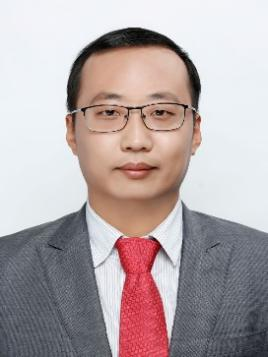 |
Prof. Qiang Chen Zhejiang University of Technology, China
|
Biography
Qiang Chen is a professor and doctoral supervisor at Zhejiang University of Technology, and he is an awardee of the National Natural Science Foundation of China's Excellent Young Scholar Program. Currently, he serves as the Deputy Dean of the Graduate School of Zhejiang University of Technology and Director of the Provincial-Level Electronic Information Experimental Teaching Center at the School of Information Engineering, and his research focuses on intelligent adaptive control of electromechanical systems. He has presided over 4 projects funded by the National Natural Science Foundation of China and 2 key projects funded by the Zhejiang Provincial Natural Science Foundation, and published 2 academic monographs in English, as well as over 100 academic papers as the first/corresponding author in high-level domestic and international journals and conferences, in which 10 papers are selected as ESI highly cited/hot papers. As the first inventor, more than 60 authorized invention patents have been obtained, and 15 have been converted. As the first author, he has successively won awards and honors such as the Gold Award at the 50th Geneva International Invention Exhibition, the Third Prize for Scientific and Technological Progress in Zhejiang Province, the Second Prize for Natural Science of the Chinese Wu Wenjun Artificial Intelligence Society, the Second Prize for Innovation of the Invention and Entrepreneurship Award of the China Association for Inventions, and the "Leading 5000- Top Academic Papers in China's Fine Science and Technology Journals" (F5000) in 2024. He has been selected for three consecutive years as one of the "Top 2% Global Scientists" by Stanford University in the United States, and for two consecutive years as one of the Top 5% Highly Cited Scholars by China National Knowledge Infrastructure (CNKI). He also serves as a member of several specialized committees of the Chinese Society of Automation, the Chinese Society of Artificial Intelligence, and the Chinese Society of Command and Control, as well as a director of the Zhejiang Electric Power Society, an editorial board member of the Science and Technology Bulletin journal, and a young editorial board member of the Journal of Intelligent Systems and Robot Learning journals.
7.4 Zeroing Neural Networks: Models, Theory, and Applications
Abstract
This report primarily introduces a class of recurrent neural networks designed for time-varying optimization and mathematical problem solving: Zeroing Neural Networks (ZNN). Compared to gradient-based recurrent neural networks that target static optimization and mathematical problem solving, Zeroing Neural Networks can fully leverage the derivative information of time-varying problems, resulting in superior solution performance. This report will cover the background of their development, modeling methods, theoretical advancements and innovations, simulation results, and applications.
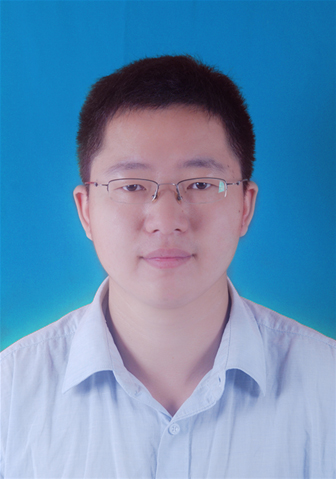 |
Prof. Lin Xiao Hunan Normal University, China
|
Biography
Lin Xiao , Professor, Ph.D. Supervisor, National Young Talent, Huxiang Young Talent, Outstanding Youth of Hunan Province, Young Science and Technology Talent of Hunan Province, Young Core Teacher of Hunan Provincial Universities. He is listed in the World's Top 2% of Scientists (both annual and career-long impact lists) and the World's Top 100,000 Scientists. Currently, he serves as the Associate Dean of the College of Information Science and Engineering at Hunan Normal University. In recent years, he has led 3 projects funded by the National Natural Science Foundation of China, 3 projects funded by the Natural Science Foundation of Hunan Province, and one Outstanding Youth Project and one Key Project funded by the Education Department of Hunan Province. As the principal investigator, he has received the Hunan Science and Technology Award, the Second Prize of the Hunan Provincial Natural Science Award, and the Second Prize of the Natural Science Award from the Chinese Association of Automation. He has published over 200 papers and books, including more than 80 papers in IEEE Transactions journals and over 100 papers in mainstream international SCI journals. He holds over 10 authorized patents and software copyrights. He has been invited to serve as an Associate Editor for IEEE Transactions on Neural Networks and Learning Systems (IEEE-TNNLS) and Neurocomputing, and as a Youth Editorial Board Member for CAAI Transactions on Intelligence Technology. His main research interests include artificial intelligence, neural networks, deep learning, robot/UAV/UGV control, intelligent control, multi-agent systems, intelligent information processing, and recommender systems.
8 Intelligent Modeling, Learning, and Control of Complex Systems with their Applications
Abstract
Intelligent modeling, learning, and control are playing an increasingly important role in modern engineering systems and have become essential for improving safety, efficiency, and autonomy in a wide range of practical applications. This session focuses on recent advances in control theory, data-driven methods, intelligent system modeling, and optimization, with an emphasis on bridging emerging computational techniques and real-world engineering challenges. Featured topics include large language model driven test scenario generation, data-driven learning control, modeling and motion control, and control and optimization of networked dynamic systems. By integrating perspectives from autonomous driving, rehabilitation robotics, learning-based control, and distributed networked systems, this session aims to promote interdisciplinary exchange and inspire new approaches for building intelligent, reliable, and networked control systems.
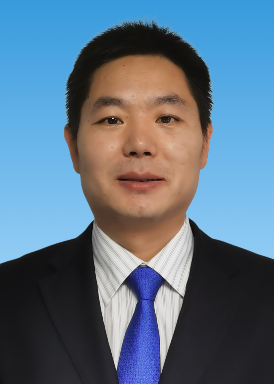 |
Chair: Prof. Yuan-Xin Li Liaoning University of Technology, China
|
Biography
Yuan-Xin Li received the B.S. degree in mathematics and applied mathematics from Qufu Normal University, Jining, China, in 2007, the M.S. degree in computational mathematics from the College of Mathematical Sciences, Dalian University of Technology, Dalian, China, in 2009, and the Ph.D. degree in control theory and control engineering from the College of Information Science and Engineering, Northeastern University, Shenyang, China, in 2017. He is currently a Professor with the Liaoning University of Technology, Jinzhou, China. He has published more than 100 papers in IEEE Transactions and IFAC journals including IEEE Transactions on Automatic Control and Automatica as the first author and corresponding author. His research interests include distributed optimization, game theory, reinforcement leatning, intellegent adaptive control, and their applications.
8.1 Large Language Model Driven Test Scenario Generation for Autonomous Vehicle and Its Application
Abstract
Ensuring safe and universal autonomous driving requires extensive training in various testing scenarios, especially those that are challenging and safety-critical. However, existing methods for scenario generation and selection often lack adaptability and semantic relevance, limiting their impact on performance improvement. This report introduces a framework for generating testing scenarios for autonomous vehicles based on large language models. Through targeted scenario recommendation, the auto drive system can evolve on its own, thereby enhancing the generalization ability of the scenarios.
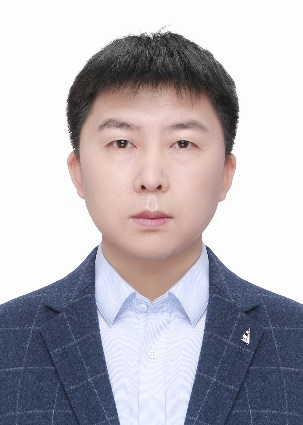 |
Prof. Yunfeng Hu
|
Biography
Yunfeng Hu , a leading professor at Jilin University under the leadership of Tang Aoqing, serves as a doctoral supervisor, a national-level young talent, a distinguished young scholar of Jilin Province, the vice dean of the School of Communication Engineering, and the director of the Department of Control Science and Engineering at Jilin University. He is also a deputy director of the Embodied Intelligence Professional Committee of the Chinese Association of Automation. His primary research interests lie in the modeling and optimization control of automotive powertrain systems, intelligent vehicle human-machine collaborative control, and testing and evaluation. Over the past five years, he has led 8 projects, including the National Natural Science Foundation of China's Regional Innovation and Development Joint Fund, the Science and Technology Innovation 2030 - "New Generation Artificial Intelligence" Major Special Project, and Jilin Province's Major Science and Technology Special Projects. As the first corresponding author, he has published 40 SCI-indexed papers in journals such as IEEE-CAA JAS, IEEE TII, IEEE TIE, and IEEE ITS. He has been granted over 60 national invention patents, and his related achievements have won the first prize of Jilin Provincial Science and Technology Progress Award, the first prize of Engineering Technology Award from the Ministry of Education, the first prize of Science and Technology Award from the China Transportation Association, and the second prize of Science and Technology Progress Award from the China Association of Automation.
8.2 Quasi Dynamic Linearization based Data-driven Learning Control
Abstract
Linearization is a typical method for the design and analysis of nonlinear control systems. This report primarily presents a domestically developed pseudo-dynamic linearization approach for data-driven learning control design and analysis, along with its latest advancements. First, from the basic idea of iterative learning control, we elaborate on the iterative variation mechanism of the systems executing identical tasks repeatedly, thereby proposing an iterative dynamic linear data model, i.e., a type of pseudo-dynamic linearization method, and thus providing a framework for data-driven learning control design and analysis. Similarly, we construct a linear data model for the agent I/O dynamics across the topological communication nodes and propose a data-driven cooperative learning control method. Subsequently, from a novel perspective, we further establish a linear data model between the performance functions and the input signals, thus proposing a direct data-driven learning control design and analysis method. Meanwhile, the report details how to mine the optimal control inputs directly from historical databases for the design and analyze of the direct control systems.
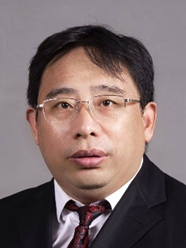 |
Prof. Ronghu Chi
|
Biography
Ronghu Chi received the Ph.D. degree in systems engineering from Beijing Jiaotong University, Beijing, China, in 2007. From 2011 to 2012, he was a Visiting Scholar with Nanyang Technological University, Singapore. From 2014 to 2015, he was a Visiting Professor with the University of Alberta, Edmonton, AB, Canada. From March 2007 to November 2025, he joined the School of Automation and Electronic Engineering, Qingdao University of Science and Technology, Qingdao, and has served as a Full Professor since December 2015. He is currently the Leading Scholar in control science and engineering at the School of Mechatronic Engineering and Automation, Foshan University, Foshan, China. He has been elected as the Senior Member of CAA and IEEE, the Deputy Director of DDCLO, CAA, and the TPC Chair of IEEE Data Driven Control and Learning Systems Conference. He was awarded the Taishan Scholarship in 2016. He has authored two monographs for Springer and published over 200 peer-reviewed papers. His research interests include iterative learning control and data-driven control.
8.3 Modeling and Motion Control of a Cable-Driven Knee Rehabilitation Exoskeleton
Abstract
With the increasing number of people with global limb dysfunctions and the intensification of population aging, problems such as labor-dependence, limited efficiency, and insufficient personalization in traditional rehabilitation training have become increasingly prominent. As a kind of rehabilitation robot with flexible actuation, cable-driven rehabilitation exoskeletons have become an important technical approach to meet clinical rehabilitation needs due to their advantages of light weight, low inertia, high load-to-weight ratio, and excellent human-machine compatibility. This report mainly covers the following contents: general human biomechanical modeling and estimation, structural design and modeling of cable-driven exoskeletons, hierarchical optimal admittance control for cable-driven exoskeletons, and sarcopenia rehabilitation assessment based on sEMG.
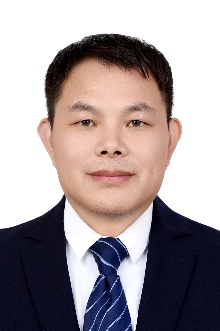 |
Prof. Shubo Wang Kunming University of Science and Technology, China
|
Biography
Shubo Wang received the Ph.D. degree in control science and engineering from the Beijing Institute of Technology, Beijing, China, in 2017.,From 2017 to 2024, he was with the School of Automation, Qingdao University, Qingdao, China, where he became a Full Professor in 2023. He has been with the Faculty of Mechanical and Electrical Engineering, Kunming University of Science and Technology, Kunming, China, since 2024. He has coauthored one monograph and more than 70 inter national journal and conference papers. His current research interests include adaptive control, parameter estimation, neural network, servo system, robotic, nonlinear control, and applications for robotics and motor driving systems.
8.4 Control and Optimization of Networked Dynamic Systems Based on Cloud-Edge Collaboration
Abstract
Control methods for networked dynamic systems are widely applied in crucial fields such as unmanned autonomous systems, rendering their research of great significance and considerable challenges. Existing networked dynamic system control schemes relying solely on cloud computing suffer from disadvantages including large aggregated traffic and long communication delays. These issues can be effectively addressed by adopting a cloud-edge collaborative strategy. However, traditional control approaches cannot be directly extended to the cloud-edge collaborative architecture, posing considerable difficulties in controller design with relatively few relevant results. Therefore, comprehensive analysis, design and optimization are required in accordance with practical network environments and node dynamics. To tackle the above problems, this report focuses on the modeling of cloud-edge collaborative computing architectures and the design of optimization strategies for networked dynamic systems, as well as model-free consensus control and group cooperative control issues of networked dynamic systems based on cloud-edge collaboration.
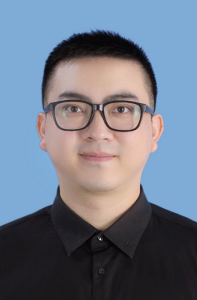 |
Prof. Hongru Ren Guangdong University of Technology, China
|
Biography
Hongru Ren received his B.E. and Ph.D. degrees in Control Science and Engineering from the University of Science and Technology of China, Hefei, China, in 2013 and 2019, respectively. His research interests include complex nonlinear systems, networked control systems, and unmanned autonomous systems. He is currently a Professor and PhD Supervisor at Guangdong University of Technology. He is a recipient of the Young Scholar of the Changjiang Scholars Program (Ministry of Education) and the Distinguished Young Scholar of Guangdong Province. He has presided over 2 projects of the National Natural Science Foundation of China and 3 provincial and ministerial research projects, including the Guangdong Natural Science Foundation for Distinguished Young Scholars. He has published more than 50 SCI papers in journals such as Automatica and IEEE Transactions on Automatic Control, authored one monograph in Chinese and one in English, and holds more than 30 authorized invention patents. His honors include the Second Prize of the Guangdong Science and Technology Progress Award.
9 Intelligent Perception and Optimization-based Decision Control of Complex Systems
Abstract
The intelligent perception and optimization-based decision control of complex systems integrates modern information technologies such as big data, the Internet of Things, and artificial intelligence to enable optimized system operation, and serves as a critical pathway for the green, efficient, and intelligent development of the industrial production. This forum focuses on the methodological advancements and practical applications of intelligent perception and optimization-based control of complex systems, and invites young and middle-aged experts with significant influence in the academic field to engage in in-depth discussions on the challenges and opportunities faced by industrial intelligence in the context of intelligent manufacturing and present the latest research breakthroughs in this field. The forum content includes: lightweight learning model for energy industry, information fusion perception and operation technology for underwater robots, pattern-based process modelling and optimization, coordinated control and optimization methods for smart grid, and research progress and challenges of industrial time series foundation models, etc.
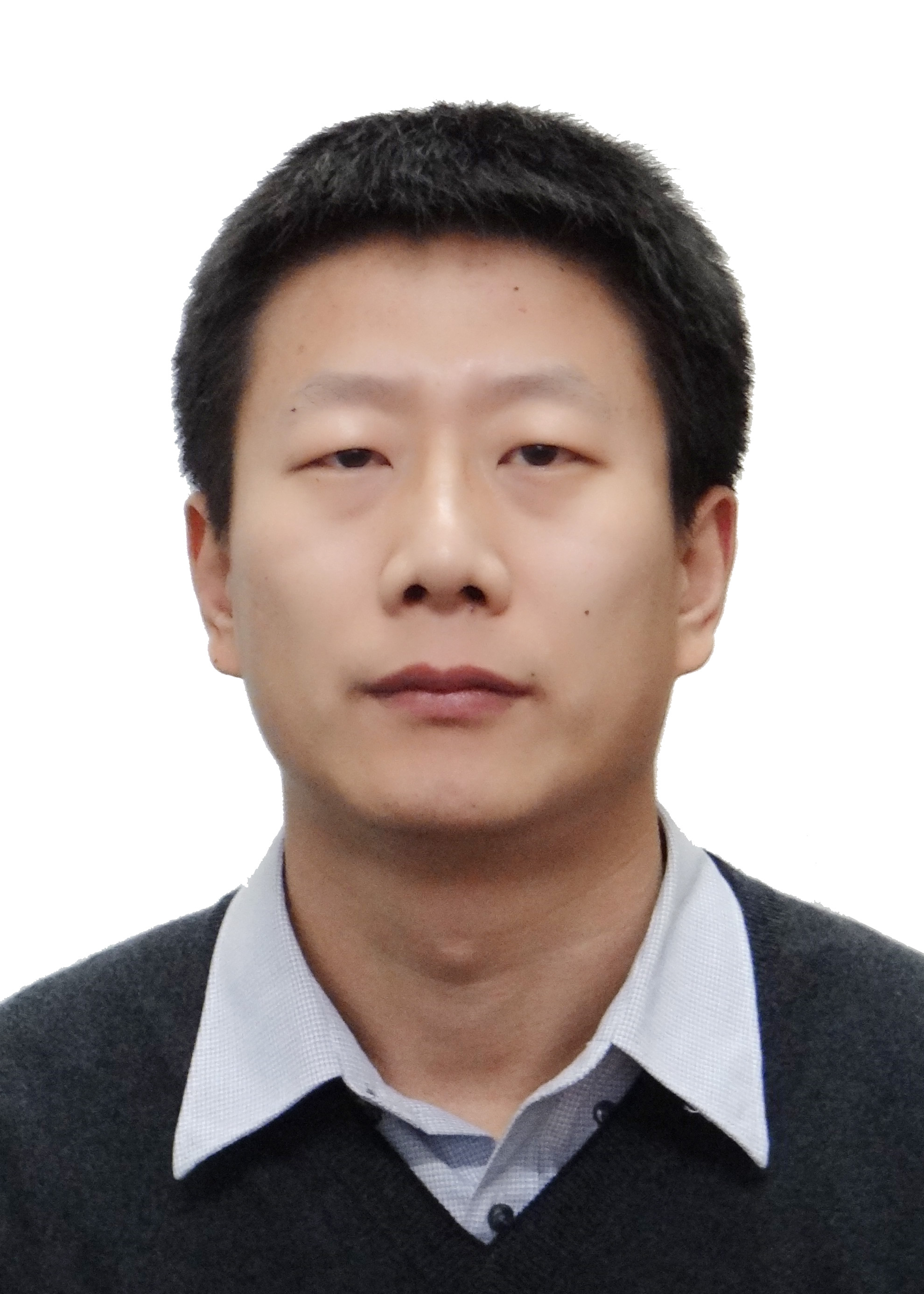 |
Chair: Prof. Xiao-Jian Li Northeastern University, China
|
Biography
Xiao-Jian Li received the B.S. and M.S. degrees in mathematics from Northeast Normal University, Changchun, China, in 2003 and 2006, respectively, and the Ph.D. degree in control theory and engineering from Northeastern University, Shenyang, China, in 2011. He is currently a Professor with the College of Information Science and Engineering, Northeastern University. He has published more than 100 papers in IEEE Transactions and other international journals. As the person in charge, he has hosted several National Natural Science Foundation of China (NSFC) programs including Key Program for Joint Funds, General Program. In the past five years, he has received 3 provincial and ministerial-level awards. His current research interests include cyber–physical systems, intelligent optimization and decision-making, and artificial intelligence.
9.1 Lightweight Learning Model for Industrial Intelligent Computing: Taking the energy industry as an example
Abstract
The deep integration of new-generation artificial intelligence (AI) technologies with the manufacturing industry is driving a profound industrial transformation. As a cornerstone of China’s energy supply system, coal plays a fundamental role in both energy security and system regulation. In alignment with the national "dual carbon" development strategy, the coal industry is gradually evolving from automation and informatization toward intelligentization. However, in practical production settings, the industry faces a series of challenges, such as difficulties in detecting key operational indicators like product quality and yield, time-varying working conditions, unclear mechanisms, complexity in control method design, and challenges in validating control systems due to intricate control structures. These issues present new challenges for the intelligent transformation of the energy and resources sector. This report introduces a lightweight machine learning model and, taking the coal industry as a case study, addresses its real-world intelligentization needs. By integrating data and domain knowledge, combining intelligent behavior with intelligent methodologies, and merging modeling with control, the report demonstrates how AI technologies can be applied to the coal preparation process. The goal is to achieve AI-driven modeling and operational optimization control for coal sorting. Finally, the report explores new opportunities and challenges brought by the industrial internet in the realm of intelligent computing.
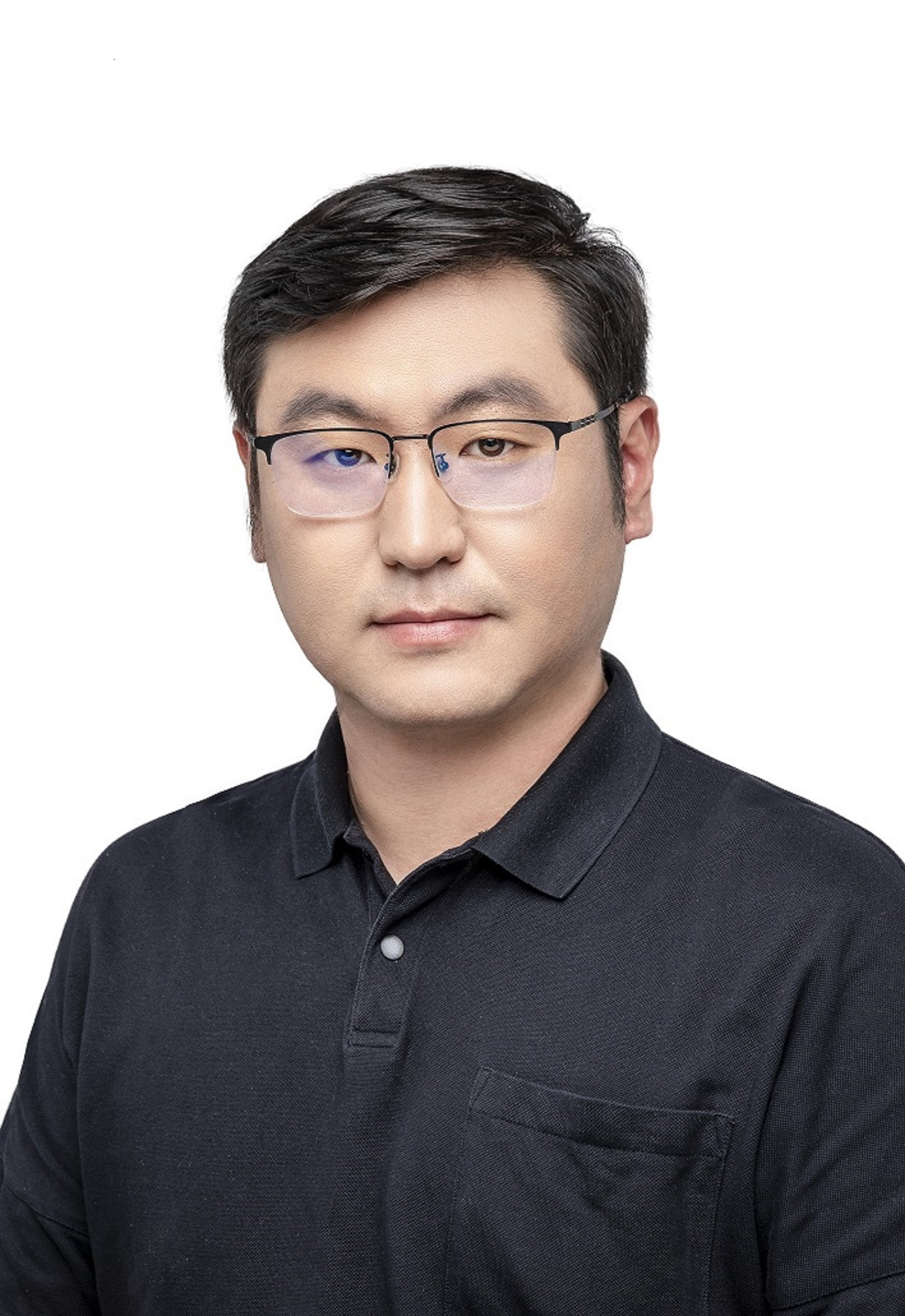 |
Prof. Wei Dai China University of Mining and Technology, China
|
Biography
Wei Dai is a Full Professor and Vice Dean of the School of Information and Control Engineering, China University of Mining and Technology, where he also supervises PhD candidates. He is a recipient of the National Young Talents Program, the Jiangsu Distinguished Young Scholars Fund, and the Jiangsu Excellent Young Scholars Fund. He has also been recognized as an Excellent Young Backbone Teacher under Jiangsu’s “Qinglan Project” and is a IEEE Senior Member. He currently serves as a council member of the Jiangsu Association of Automation and the Jiangsu Coal Society. His main research interests include AI-driven modeling and operational optimization control of complex process industrial systems, as well as next-generation AI methodologies such as federated learning and incremental learning. His research has been recognized with multiple awards, including the Second Prize of the Ministry of Education Natural Science Award, the First Prize of the Liaoning Patent Award, the Youth Science and Technology Award of the Chinese Association of Automation (CAA), the Youth Science and Technology Award of China Coal Society, the First and Second Prizes of CAA Natural Science Awards, the Second Prize of the CAA Science and Technology Progress Award, the Innovation Award (Individual) from the China Industry-University-Research Institute Collaboration Association, and the Third Prize of Jiangsu Science and Technology Award. He has successfully transferred four patents into application.
9.2 Information Fusion Perception and Operation Technology for Underwater Robots
Abstract
This report mainly focuses on the application of artificial intelligence in the field of underwater robots. It presents the team’s research achievements regarding technological accumulation and equipment applications in multi-modal fusion environmental perception and autonomous disposal operations for underwater robots.
 |
Prof. Hai Huang Harbin Engineering University, China
|
Biography
Hai Huang , PhD, Professor and PhD Supervisor at Harbin Engineering University. He has long been engaged in research on autonomous detection/operation of underwater robots, remotely operated underwater vehicles (ROVs), and other related fields. He serves as the Chief Scientist of an application demonstration project under the National Key R&D Program and a key project of the Basic Enhancement Program of the Science and Technology Commission. He has presided over more than 20 research projects, including one Key Program and one Key Joint Program of the National Natural Science Foundation of China. He has published over 90 academic papers and been granted more than 30 invention patents. As the first author, he has published three Chinese monographs, and won National Publishing Fund. As the first completer, he received the First Grade Prize of Science and Technology Progress Award from the Chinese Society of Naval Architects and Marine Engineers, the Second Grade Prize of Science and Technology Progress Award of Heilongjiang Province. As the second completer, he won the Second Grade Prize of Science and Technology Progress Award of Shanghai Municipality and the Second Grade Prize of the Chinese Institute of Electronics, among other honors.
9.3 Pattern-based Process Modelling and Optimization
Abstract
Process variables can only reflect operational behavior in a distributed and partial manner, while the overall status of the process runs according to a latent pattern, which can statistically extract the holistic information contained a set of process variables. To this end, a new framework for pattern-based process modelling and optimization is proposed. Under the geometric projection method, a dynamic-controlled principal component analysis is designed for pattern modelling, of which the state of the art lies in explicitly quantifying the dynamic causality from control inputs and pattern for the first time. To further reveal the process uncertainties, a probabilistic dynamic-controlled pattern modelling method is proposed under the probabilistic generation, where the pattern dynamic is characterized by an auto-regressive with extra inputs structure for Bayesian inference. Specially, the algorithms for expectation maximization, forward filtering and backward smoothing are designed for model learning. After pattern modelling, a dynamic reference programming (DRP)-based model predictive control (MPC) is proposed for optimal pattern tracking. The DRP can overcome the disadvantage of traditional tracking MPC in that parameter settings are closely dependent on setpoints, and effectively enlarge the feasible set of optimization problem.
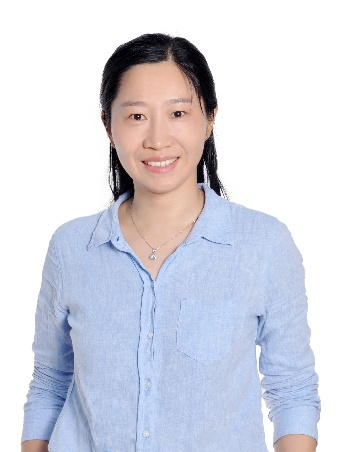 |
Prof. Xiaoli Luan
|
Biography
Xiaoli Luan received the B.Sc. degree in industrial automation and the M.Sc. and Ph.D. degrees in control theory and control engineering from Jiangnan University, Wuxi, China, in 2002, 2006, and 2010, respectively. She is currently a Professor with the Institute of Automation, Jiangnan University. She was a Visiting Professor with the University of Alberta, Edmonton, AB, Canada, in 2016. She hosted and participated several research programs funded by the National Natural Science Foundation. Her research interests include robust control and optimization of complex industrial process. She has authored or coauthored more than 100 articles in professional journals, conference proceedings, and technical reports in these related areas. Prof. Luan has served as a reviewer for a number of international journals.
9.4 Coordinated Control and Optimization Methods for Smart Grid
Abstract
Smart grid is a new-generation power system characterized by the deep integration of energy flow, information flow, and business flow. With the high-penetration integration of renewable energy sources, increasingly complex electricity consumption characteristics on the demand side, and the need for coordinated operation among generation, storage, and loads, frequent information interaction has become essential. This report introduces coordinated control and optimization methods for cyber-physical integrated energy systems from three perspectives, including: coordinated control methods for distributed generation and thermostatically controlled loads; economic optimal dispatch and game-theoretic pricing strategies that take user comfort into account; and adaptive information transmission mechanisms for energy systems. Finally, the report presents prospects for the application of cyber-physical integrated energy systems in green ports.
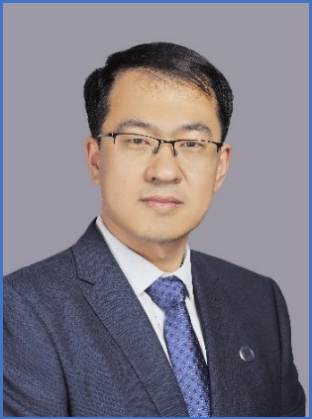 |
Prof. Kai Ma
|
Biography
Kai Ma is the Vice Dean of the School of Electrical Engineering at Yanshan University, and the Director of the Key Laboratory of Intelligent Control and Neural Information Processing of the Ministry of Education. His research interests focus on the smart grid and integrated energy systems. In recent years, he has published more than 100 peer-reviewed papers and one academic monograph, and he has been authorized over 30 invention patents and participated in the formulation of 2 national standards. He has hosted 18 national and provincial-level research projects, including the National Excellent Youth Science Foundation and the Regional Joint Key Projects, and he was selected as a top young talent and a "Three-Three-Three" talent in Hebei Province, awarded the First Prize of the Science and Technology Progress Award of the Chinese Association of Automation and the First Prize of the Science and Technology Progress Award of the China Electrotechnical Society, and awarded the Hebei Youth Science and Technology Nomination Award and the China Invention Association Invention and Entrepreneurship Award. Simultaneously, he is serving as a senior member of IEEE, CAA, and CICC, and a council member of Hebei Association of Automation and Hebei Association of Youth Science and Technology.
9.5 Research Progress and Challenges of Industrial Time Series Foundation Models
Abstract
Industrial time series foundation models have emerged as the core technology driving the transformation toward intelligent manufacturing. With the deep advancement of novel industrialization and digital transformation, the industrial time series foundation models have been increasingly applied across a wide range of industrial domains, including process optimization, predictive maintenance, quality control, and anomaly detection. Innovative techniques such as large-scale pretraining, multimodal fusion, edge computing optimization, and knowledge distillation have injected new driving momentum into industrial time series modeling. However, these techniques also face significant challenges, such as the computational complexity explosion in long-sequence modeling, the spatio-temporal alignment and fusion of heterogeneous multimodal data, increasing requirements for model interpretability, the trade-off between real-time inference and prediction accuracy, and cross-domain migration across diverse scenarios. This report focuses on the core challenges of time series analysis in industrial scenarios and provides an in-depth discussion of the current development status, key technical challenges, and future research trends of the industrial time series foundation models.
 |
Prof. Xiaofeng Yuan Central South University, China
|
Biography
Xiaofeng Yuan is currently a Professor and Doctoral Supervisor at Central South University, Changsha, China. He received his B.S. and Ph.D. degrees from Zhejiang University, Hangzhou, China, in 2011 and 2016, respectively. From 2014 to 2015, he was a joint Ph.D. at the University of Alberta, Canada. His research interests focus on industrial big data analytics, process monitoring, and fault diagnosis. He has hosted 6 national-level research projects, including the National Science and Technology Major Project, the Major Research Project, General Program, and Young Scientists Fund of the National Natural Science Foundation of China (NSFC), the sub-project of the National Key R&D Plan, and 15 provincial-level and university-enterprise collaborative projects. He has published more than 80 SCI-indexed papers as the first or corresponding author and holds 10 authorized national invention patents as the first inventor. Moreover, he has received 7 provincial and ministerial-level awards, including the Wu Wenjun Artificial Intelligence Outstanding Youth Award, the First/Second Prize of the Natural Science Award of the Chinese Association of Automation (CAA), the Second Prize of the Natural Science Award of Hunan Province, and 3 Outstanding Paper Awards at domestic and international conferences. He has been selected as a Young Scholar of the Chang Jiang Scholars Program, the 2025 Clarivate Highly Cited Researchers, and the World’s Top 2% Scientists. He is also recognized as a Leading Talent in Scientific and Technological Innovation of Hunan Province, the Young Elite Scientists Sponsorship Program by CAST, a Huxiang Young Talent, and a Young Backbone Teacher of Hunan Province. In addition, he is also a recipient of the Distinguished Young Scholars Fund of Hunan Province. He currently serves as a committee member of the IFAC Industry Committee, IFAC TC 1.1, and the Process Control Technical Committee of CAA. Simultaneously, he is an Associate Editor of international journals including IEEE Transactions on Instrumentation and Measurement and IEEE Systems Journal, and a Youth Editorial Board Member of IEEE/CAA Journal of Automatica Sinica.


